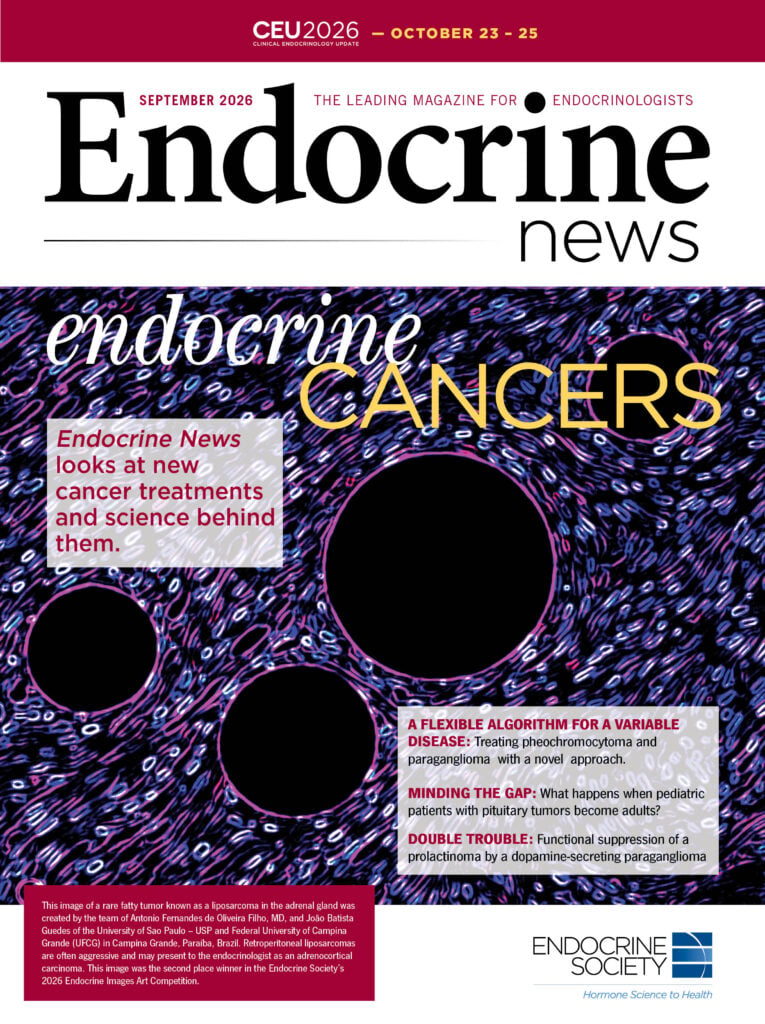
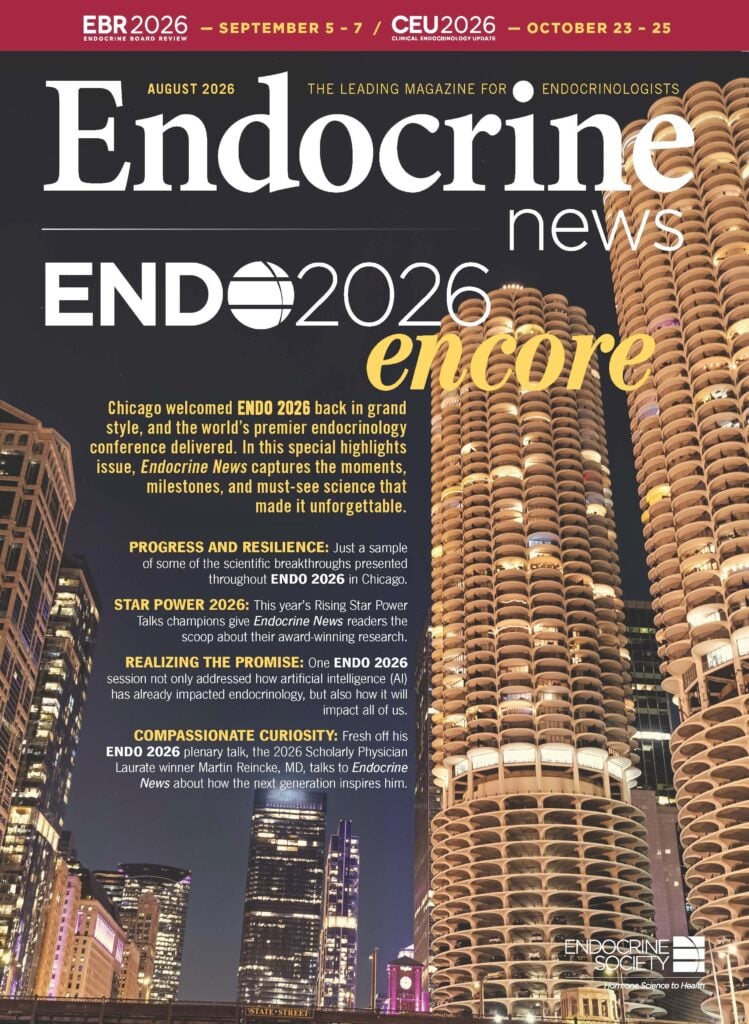
With another successful ENDO in the rearview mirror, it’s time to take a look back at some of the great sessions you might have sat in on when you made your trip to Chicago this past June. More importantly, it’s a good time to check out some of the sessions you may have missed due to your own scheduling conflicts while in the Windy City, or if you missed out on ENDO 2026 altogether. No worries, Endocrine News has you covered because we had it covered, from top to bottom!
Kelly Horvath looks at one of the most anticipated sessions at ENDO this year and it’s something we’re ALL faced with regardless of whether you see patients, conduct research, or even put out a magazine! Of course, I’m talking about artificial intelligence, more commonly referred to as AI. In “Realizing the Promise: Artificial Intelligence in Endocrinology,” Kelly discusses the ENDO session “Artificial Intelligence in Endocrinology: Practical Uses, Lessons Learned, and What Comes Next” and gets the inside scoops from the session’s speakers. “Most of us have been hearing how AI can be really disruptive in medical practice for a few years now,” says speaker Naykky M. Singh Ospina, MD, professor in the Division of Endocrinology, Diabetes, and Metabolism at the University of Florida in Gainesville. “The session was an exercise in reflecting on what has actually changed, what might be changing right now, and what is needed for that promise of AI to actually improve the care of our patients in clinic. We wanted to answer, what can you use AI for right now? Is this the disruption we were expecting?”
One of my favorite sessions every year at ENDO is the Rising Stars Power Talks where early-career and in-training Endocrine Society members get only three minutes to present their research data in a quick-fire session that is always a reliably entertaining event. The presenters have their presentations judged by a panel of professionals – this year, many were from the world of industry – as well as voted on by the audience. I catch up with the winners for “Star Power 2026” and find out more about their winning research as well as where they go from ENDO 2026. “Long term, I hope to build a career that combines patient care, clinical research, and medical education,” Clinical Science winner Brittany Weisbrot, an internal medicine resident at Loyola University Medical Center in Maywood, Ill., tells me. “I’m interested in studying the questions that arise directly from caring for patients, whether that’s improving the diagnosis and treatment of hypoglycemia, advancing obesity medicine, or better understanding complex metabolic disease. I hope to spend my career translating clinical observations into research that ultimately improves care for future patients.” Read about Weisbrot’s fellow 2026 Rising Star Power Talks winners: Translational Science: Dillon Boulton, PhD, postdoc fellow, Department of Pathology, University of Colorado – Anshutz Medical Campus, Aurora, Colo.; Basic Science: Lila Dabill, PhD student, Washington University, St. Louis, Mo.; and the Audience Choice winner, Konstantinos Stefanakis MD, PhD (candidate), cardiology fellow, postdoctoral researcclinh fellow, Harvard Medical School, Beth Israel Medical Center, Boston, Mass.
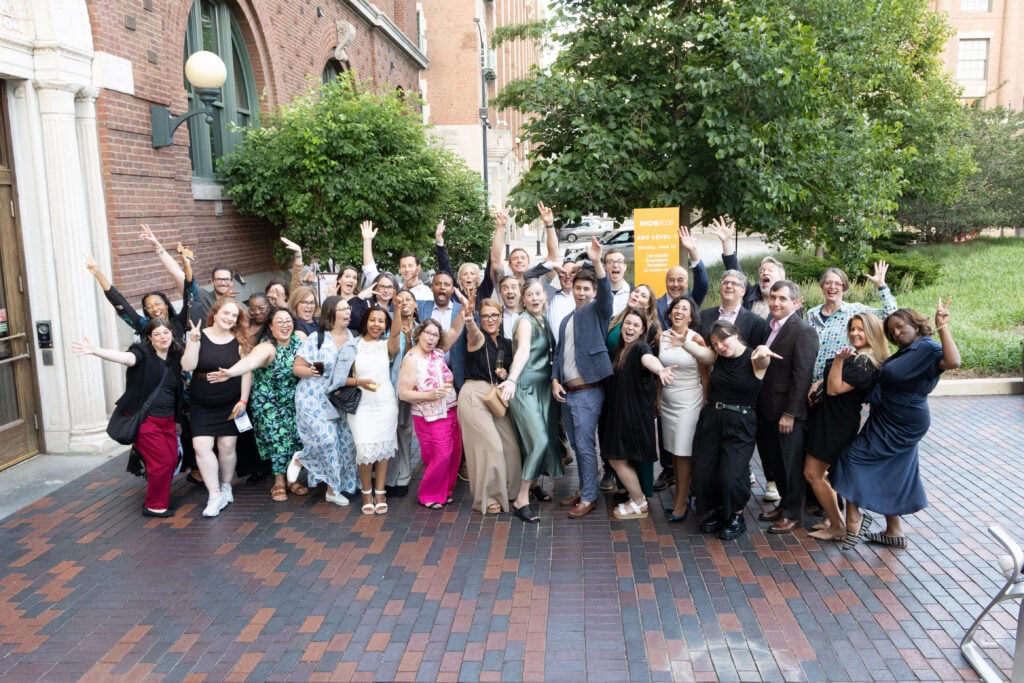
Senior Editor Derek Bagley has compiled a “greatest hits” article of sorts, touching on some of the highlights from ENDO 2026. In “ENDO 2026: Progress and Resilience,” you can see how he boomeranged from one end of McCormick Place to the other, covering a variety of sessions. Of particular note, was the literal standing-room-only crowd at the post-plenary session where Barbara Kahn, MD, and Daniel Drucker, MD, took their plenary talk out of the ballroom and into the expo hall and answered questions from an eager crowd about the future of obesity treatments, especially considering the advent of the latest round of GLP-1s. Kahn admits that it appears these drugs are incredibly effective, but adds that some patients “who choose bariatric surgery because it’s a ‘one and done’ as opposed to dealing with the medications. If you’re looking for fertile areas of research, trying to change the environment to change obesity is very important.” Also of interest is the array of photos from ENDO 2026 that illustrates the article; look closely and you may find yourself among the attendees!
Glenda Fauntleroy Shaw caught up with Martin Reincke, MD, not long after his own ENDO 2026 plenary session for this month’s Laboratory Notes Q&A, “Compassionate Curiosity.” Recipient of the Endocrine Society’s 2026 Outstanding Scholarly Physician Laureate Award, Reincke not only tells us about what this recognition means to him but he also talks about his own fascination with the pituitary and adrenal glands and why he finds so much inspiration in the next generation of endocrinologists, whom he says are fearless. “They move effortlessly between AI, genomics, imaging, and patient care in ways my generation never could,” Reincke explains. “My hope is that they’ll ask bigger questions than we did and never forget that every dataset represents a person waiting for a better diagnosis or treatment.”
While there will still be more articles in upcoming issues from ENDO 2026, we might as well start preparing for ENDO 2027 June 5 – 7 in Toronto, Ontario, Canada. Be sure to let me know what you think of this month’s coverage and be sure to submit any story ideas you have to: [email protected].
And don’t forget, you can download the complete issue here!