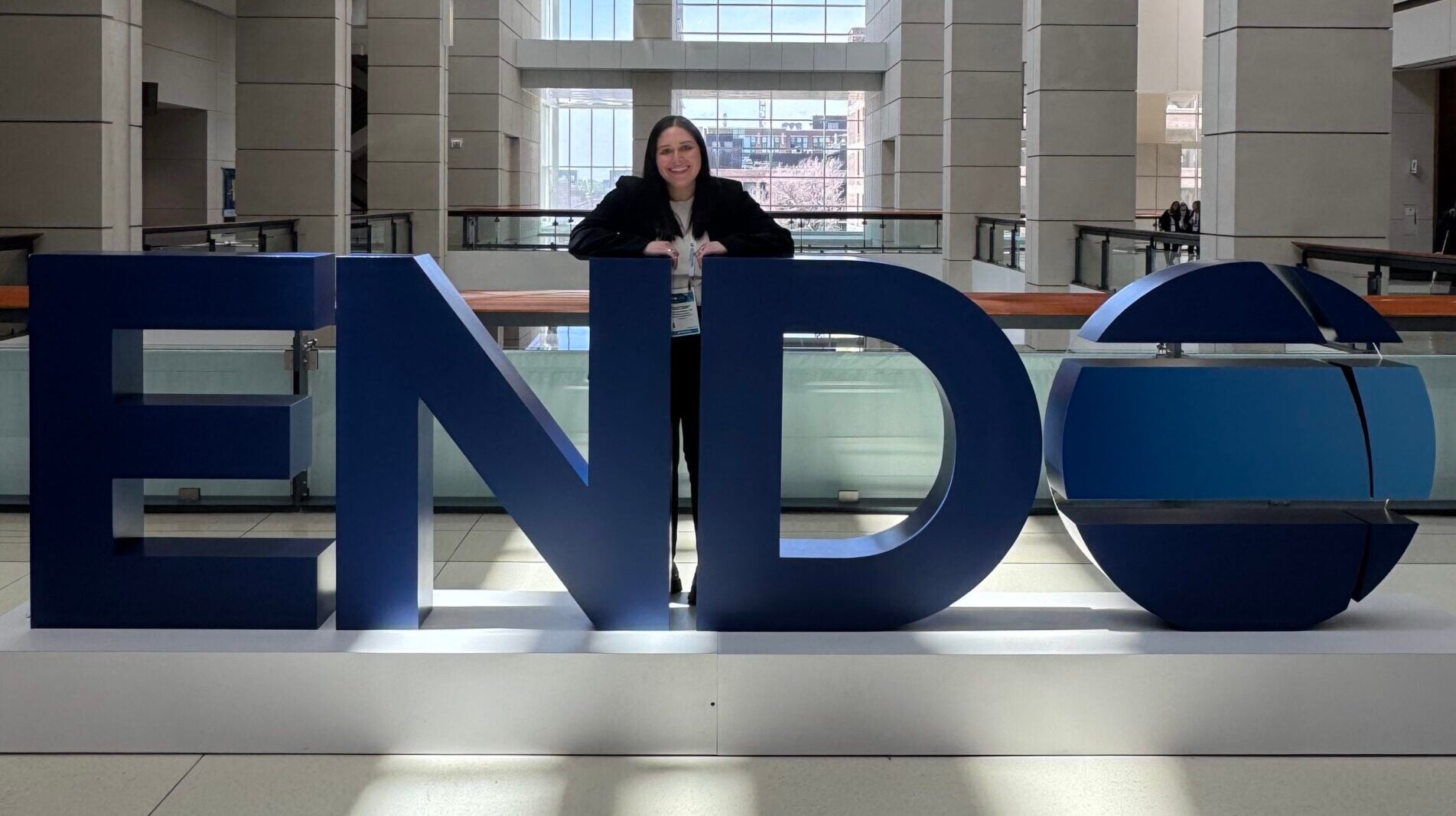
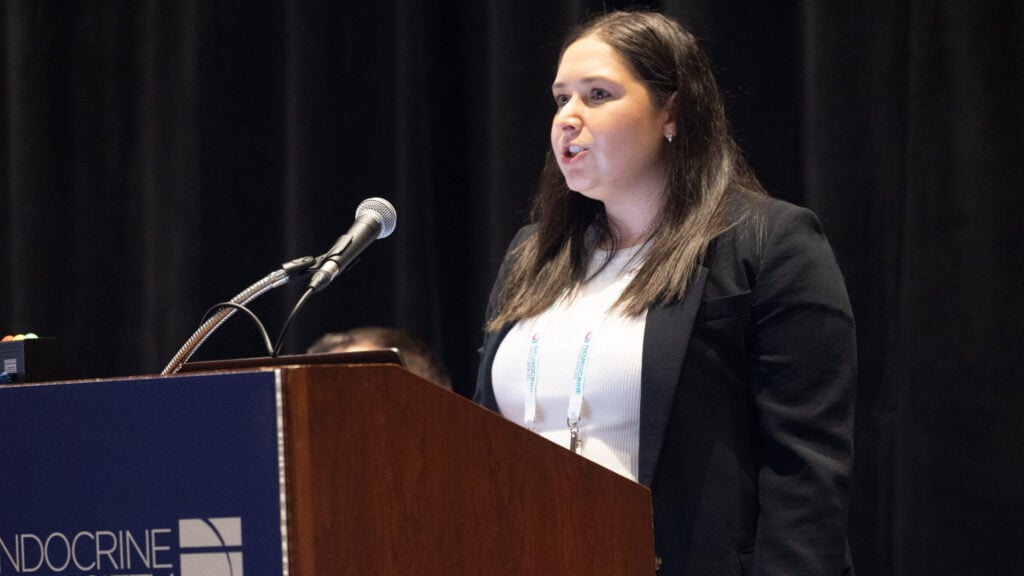
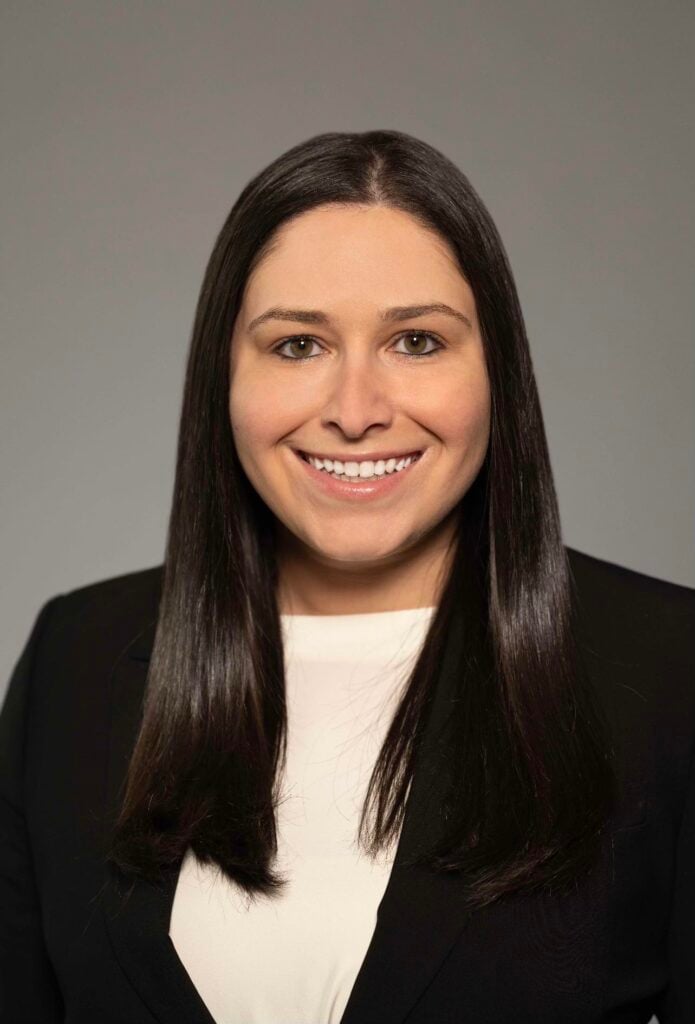
Early-career and in-training members get their chances to shine brightly at the Rising Star Power Talks that take place at ENDO each year. Endocrine News caught up with this year’s Clinical Science winner, Brittany Weisbrot, an internal medicine resident at Loyola University Medical Center in Maywood, Ill., who fills us in on what it was like to present her science to a room full of her peers, how the Endocrine Society has impacted her career, and what’s next for her and her research.
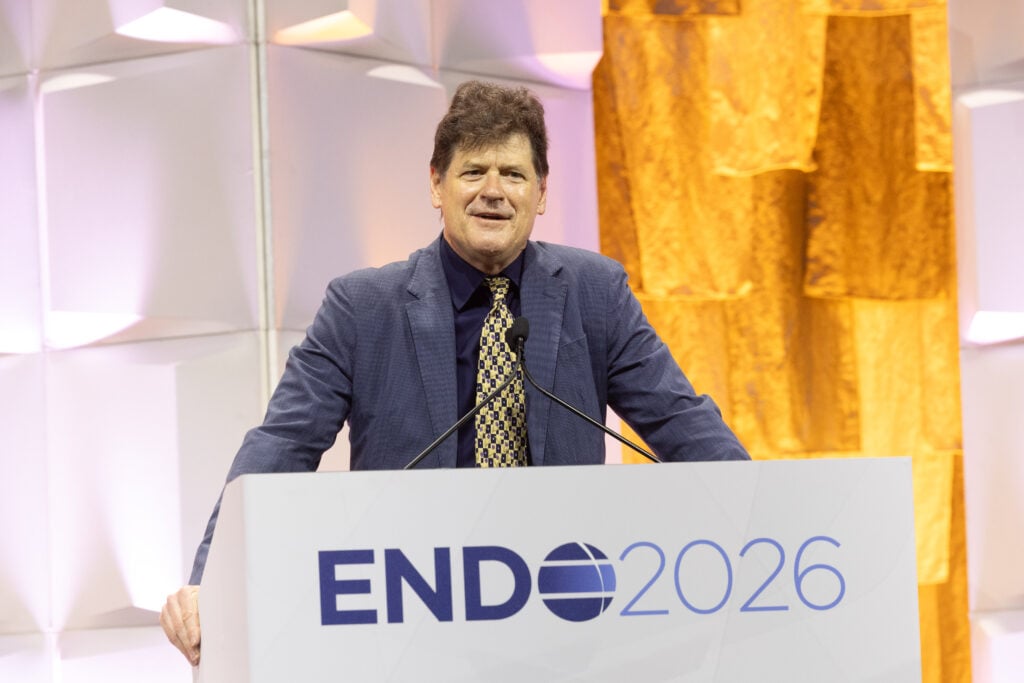
To say that the Rising Stars Power Talks at ENDO 2026 was fast paced would be an understatement; each of the participants had only three minutes to present their research, accompanied by a projected slide that changed and adjusted as they progress through their research findings. After each presentation, there are only two minutes for questions from the audience of observers, judges, mentors, and fellow participants.
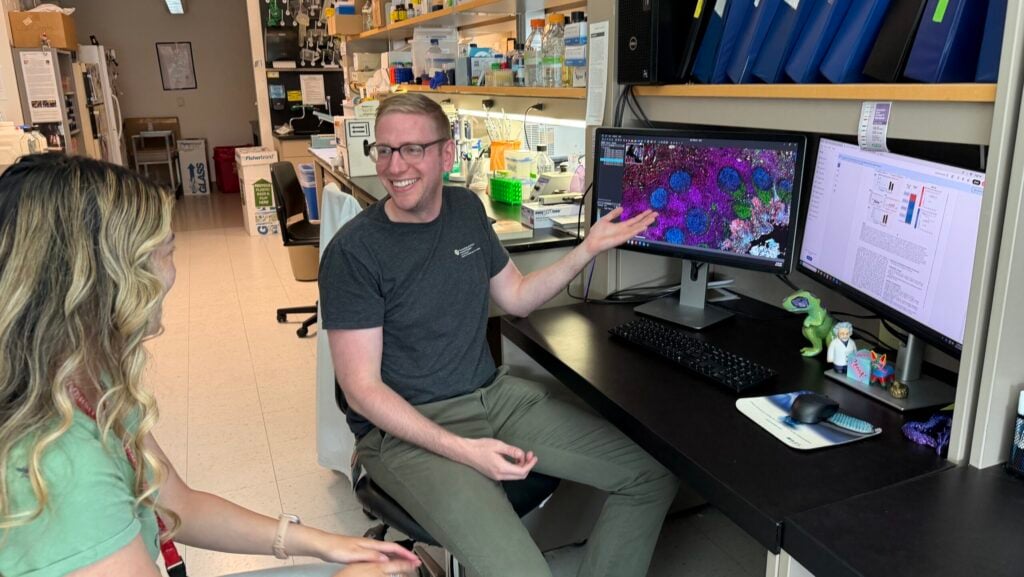
The judges and audience decided the winners of this blitz style research communication competition, and this year’s winners were: Basic Science: Lila Dabill, PhD student, Washington University, St. Louis, Mo.; Clinical Science: Brittany Weisbrot, internal medicine resident, Loyola University Medical Center, Maywood, Ill.; Translational Science: Dillon Boulton, PhD, postdoc fellow, Department of Pathology, University of Colorado – Anshutz Medical Campus, Aurora, Colo.; and the Audience’s Choice was Konstantinos Stefanakis MD, PhD (candidate), cardiology fellow, postdoctoral research fellow, Harvard Medical School, Beth Israel Medical Center, Boston, Mass.
Endocrine News scored a front-row seat to the proceedings and caught up with this year’s winners to find out more about their award-winning research, their future research goals, how it felt to present in a room of their peers, and more.
In this final of four installments, we chat with Weisbrot, this year’s Clinical Science champion, about the future of her award-winning research, how the Endocrine Society has helped guide her career, and what it felt like to face a packed room full of her peers at ENDO 2026.
Endocrine News: Tell us a little bit about the research that you presented at the session.
Brittany Weisbrot: My presentation focused on a patient with new-onset and recurrent hypoglycemia 15 years after bariatric surgery. She was ultimately diagnosed with insulin autoimmune syndrome (IAS), a rare cause of hyperinsulinemic hypoglycemia. What made the case especially fascinating was that her symptoms followed a cyclical pattern that appeared to parallel changes in estrogen levels. Upon further workup, she was found to have a markedly elevated estradiol level and bilateral ovarian fibroma/cystadenomas. After bilateral oophorectomy, her insulin autoantibodies, hypoglycemia, and elevated estradiol levels ultimately resolved, raising the possibility of an interaction between estrogen, autoimmunity, and insulin sensitivity.
While post-bariatric hypoglycemia is becoming increasingly recognized, this case served as an important reminder to consider uncommon causes such as IAS when the clinical picture doesn’t fully fit the presumed diagnosis. It also raises interesting questions about the relationship between estrogen and autoimmune disease that warrant further investigation.
EN: What inspired you to undertake this specific research?
Weisbrot: One of the things that inspired this work was how uniquely the patient’s story evolved as each new piece of the puzzle was uncovered. What initially appeared to be post-bariatric hypoglycemia ultimately proved to be insulin autoimmune syndrome, and the cyclical nature of her symptoms raised even more questions about the potential role of estrogen in autoimmune disease. As someone with an interest in women’s health, I was excited by the opportunity to explore those questions further.
Working through the case with my mentor reminded me that some of the most meaningful research begins with asking, “What are we missing?” I love that endocrinology rewards curiosity, and it’s incredibly fulfilling to know that investigating one patient’s story has the potential to improve care for future patients.
EN: How did it feel to present your work in such a lively environment among your peers and mentors?
Weisbrot: It was an incredible experience. As an internal medicine resident applying for endocrinology fellowship, presenting at ENDO alongside researchers whose work I deeply admire was both humbling and rewarding. Having the opportunity to do so in Chicago, where I am completing my residency training, made the experience even more meaningful.
Screenshot
“Working through the case with my mentor reminded me that some of the most meaningful research begins with asking, “What are we missing?” I love that endocrinology rewards curiosity, and it’s incredibly fulfilling to know that investigating one patient’s story has the potential to improve care for future patients.” – Brittany Weisbrot, internal medicine resident, Loyola University Medical Center, Maywood, Ill.
Conversations that followed with physicians and scientists from around the world reinforced how welcoming and collaborative the endocrinology community is and made me even more excited to contribute to the field throughout my career.
EN: Can you explain what sort of impact the Endocrine Society has had on your research career?
Weisbrot: The Endocrine Society has played an important role in my development as both a clinician and an early-career researcher. Through ENDO, I’ve had opportunities to present research, receive thoughtful feedback, and learn from researchers whose work has shaped the field.
More than anything, the Endocrine Society has shown me how collaborative the endocrinology community is. As someone at the beginning of my career, it’s incredibly motivating to be part of a field where people are genuinely invested in helping one another learn, grow, and advance patient care.
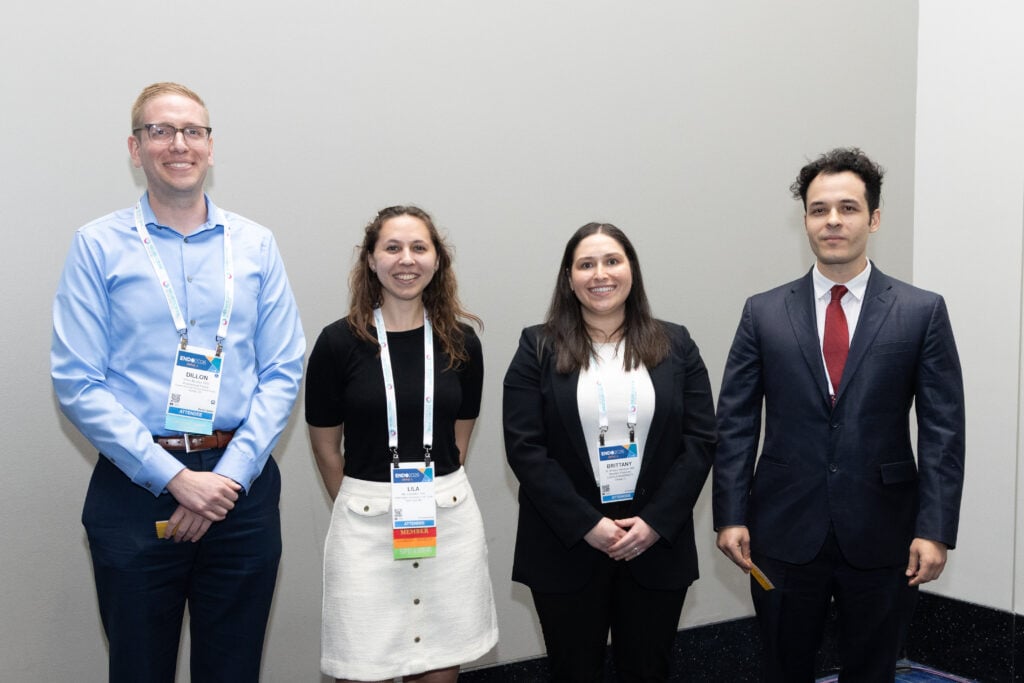
From left to right are the 2026 Rising Star Power Talks winners: Translational Science: Dillon Boulton, PhD, postdoc fellow, Department of Pathology, University of Colorado – Anshutz Medical Campus, Aurora, Colo.; Basic Science: Lila Dabill, PhD student, Washington University, St. Louis, Mo.; Brittany Weisbrot, internal medicine resident, Loyola University Medical Center, Maywood, Ill.; and the Audience’s Choice was Konstantinos Stefanakis MD, PhD (candidate), cardiology fellow, postdoctoral researcclinh fellow, Harvard Medical School, Beth Israel Medical Center, Boston, Mass.
EN: What’s next for you and your research? Where do you go from here?
Weisbrot: I am currently applying for endocrinology fellowship while continuing to build my research experience. I am excited to continue exploring questions related to hypoglycemia, obesity medicine, diabetes, and metabolic health while developing as both a clinician and researcher.
Long term, I hope to build a career that combines patient care, clinical research, and medical education. I’m interested in studying the questions that arise directly from caring for patients, whether that’s improving the diagnosis and treatment of hypoglycemia, advancing obesity medicine, or better understanding complex metabolic disease. I hope to spend my career translating clinical observations into research that ultimately improves care for future patients.
Newman has been the editor of Endocrine News since he began working for the Endocrine Society in 2013. Feel free to send him story ideas at: [email protected].
Join the Global Movement Advancing Endocrine Science and Medicine
Become a part of a community of 18,000-plus endocrine investigators and clinicians who conduct research and provide quality patient care in more than 100 countries. Advance your career and the field of endocrinology through our many educational, leadership and advocacy opportunities.