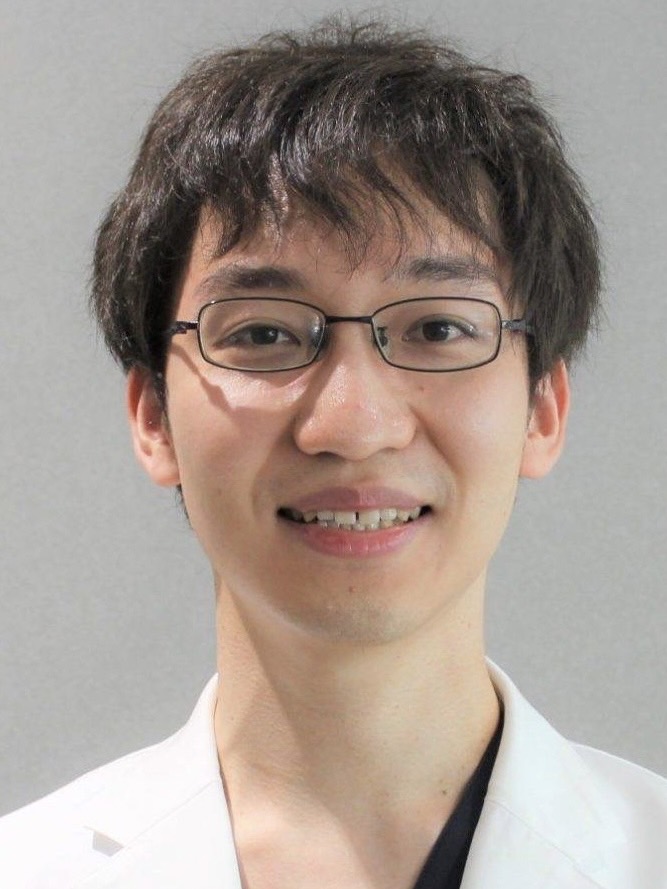
Compassionate Curiosity: Q&A with Martin Reincke, MD
By Glenda Fauntleroy Shaw
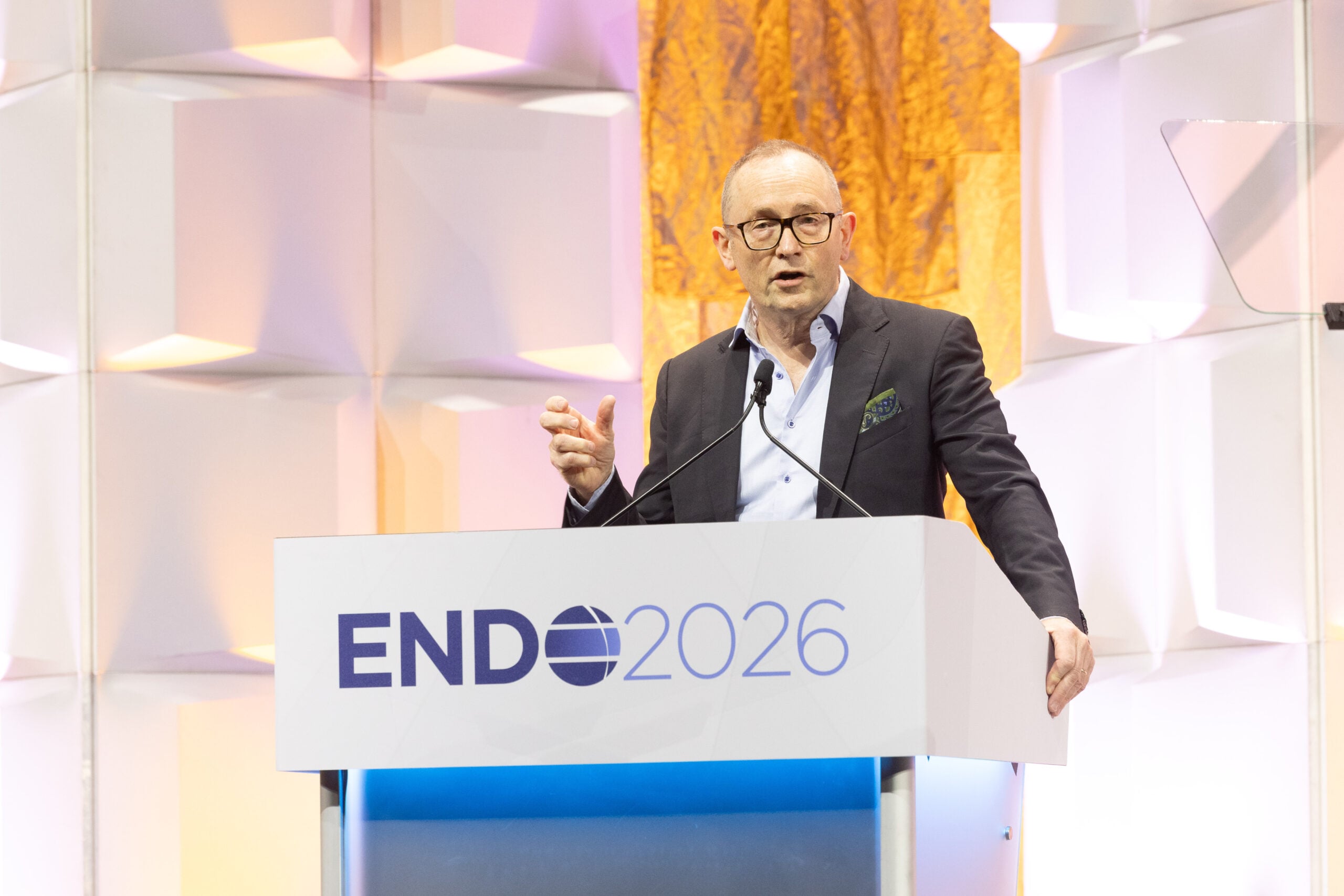
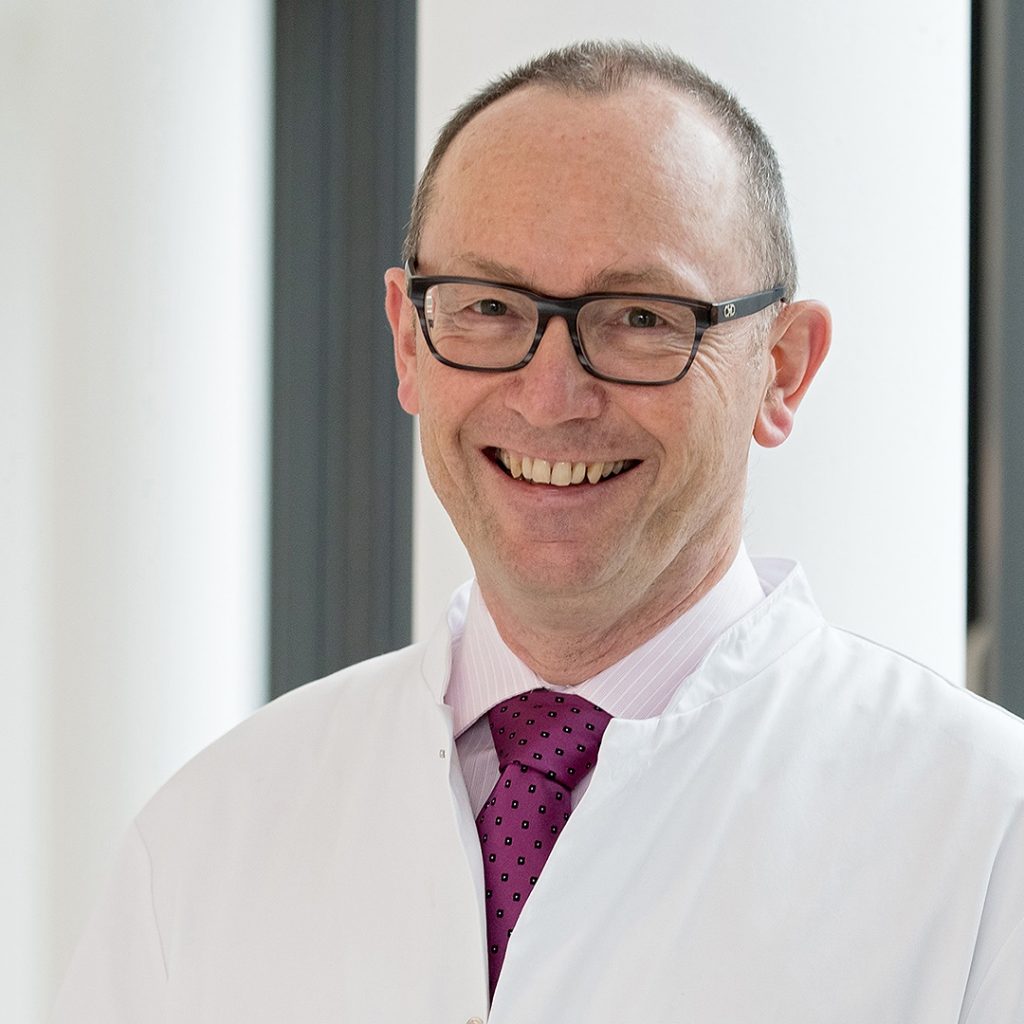
The Endocrine Society’s 2026 Outstanding Scholarly Physician Laureate Award recipient, Martin Reincke, MD, talks to Endocrine News about receiving this prestigious award, his fascination with both the pituitary and the adrenals, and why the next generation of endocrinologists truly inspires him.
For Martin Reincke, MD, the most important advances in endocrinology have never been about discoveries alone. They’ve always been about the people whose lives those discoveries can change. Whether it’s leading international collaborations to improve care for patients with adrenal disorders or mentoring the next generation of physician-scientists, Reincke has built a career on the belief that exceptional research and compassionate medicine go hand in hand.
That philosophy has made him one of the world’s leading experts in adrenal and pituitary disorders and earned him the Endocrine Society’s 2026 Outstanding Scholarly Physician Award, which recognizes outstanding contributions to the practice of clinical endocrinology in academic settings. Reincke is a professor of endocrinology and former chair of Medical Department IV at Ludwig-Maximilians University Hospital in Munich, Germany. He has played a significant role in building a large-scale international research consortia to address major therapeutic challenges in patients with primary aldosteronism and Cushing’s syndrome.
“I am excited by [the next generation of endocrinologists’] fearlessness. They move effortlessly between AI, genomics, imaging, and patient care in ways my generation never could. My hope is that they’ll ask bigger questions than we did and never forget that every dataset represents a person waiting for a better diagnosis or treatment.” – Martin Reincke, MD, professor of endocrinology; former chair, Medical Department IV, Ludwig-Maximilians University Hospital, Munich, Germany
When Endocrine News caught up with Reincke, he reflected on the mentors who shaped his career and why he believes today’s young endocrinologists are poised to ask even bigger questions than previous generations. He also shared why playing the violin offers a perfect get-away from the stressors of science research.
Endocrine News: What did hearing news of the Laureate recognition mean to you?
Reincke: In my heart, there may be doubts that I deserve the Outstanding Scholarly Physician Award over other colleagues from the field of endocrinology whom I hold in respect and reverence, but there is no question of my pleasure and pride in having it for myself.
EN: You are recognized for your discoveries in adrenal and pituitary disorders. What inspired you to focus on this particular area of endocrinology?
Reincke: The pituitary is the body’s master conductor, and the adrenal is probably the most fascinating endocrine organ — three cortical zones plus the medulla, all packed into a few grams of tissue. But what really drew me in were the patients I had the privilege to care for. Diseases like Addison’s and Cushing’s are devastating, yet understanding their biology can dramatically change lives.
EN: Throughout your career, what has been the most rewarding moment, not necessarily the biggest achievement, but the moment that reaffirmed why you chose this path?
Reincke: Meeting the late [German endocrinologist] Bruno Allolio (1949-2015) early in my career. He showed me that you don’t have to choose between being a compassionate physician and a curious scientist. You can, and should, be both. We worked for 12 years together. During that time, he sharpened my mind and prepared me for the ultimate challenging clinical scenarios. And having the privilege to work with George Chrousos at the NIH in the 90s. He introduced me to molecular biology of endocrine diseases, a passion, which never stopped. From both, I learned true generosity, giving without intending to take advantage of the other.
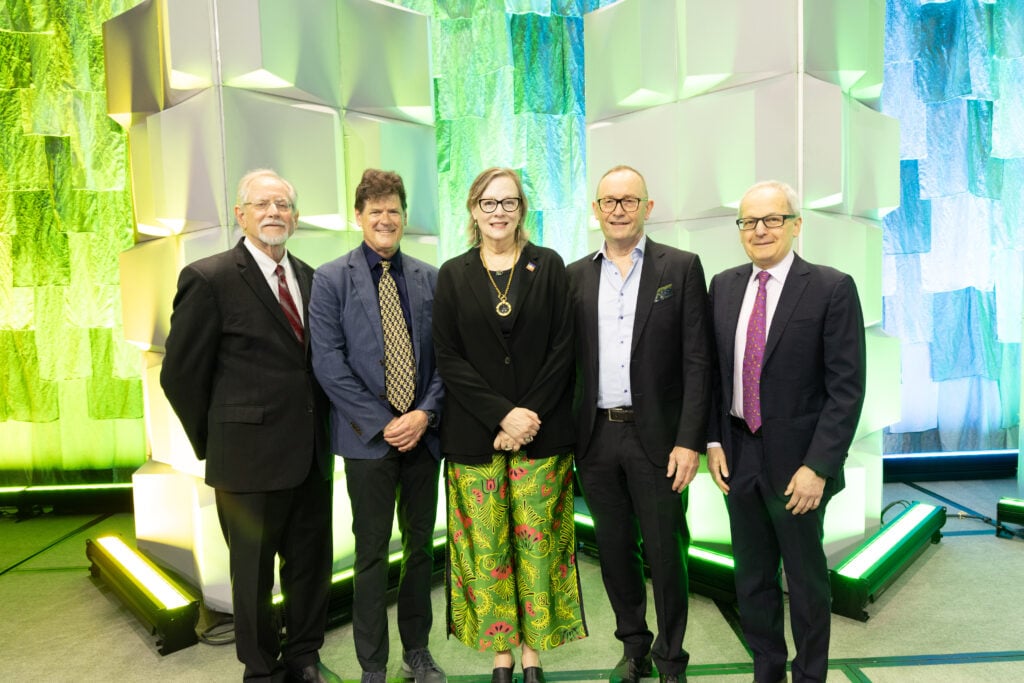
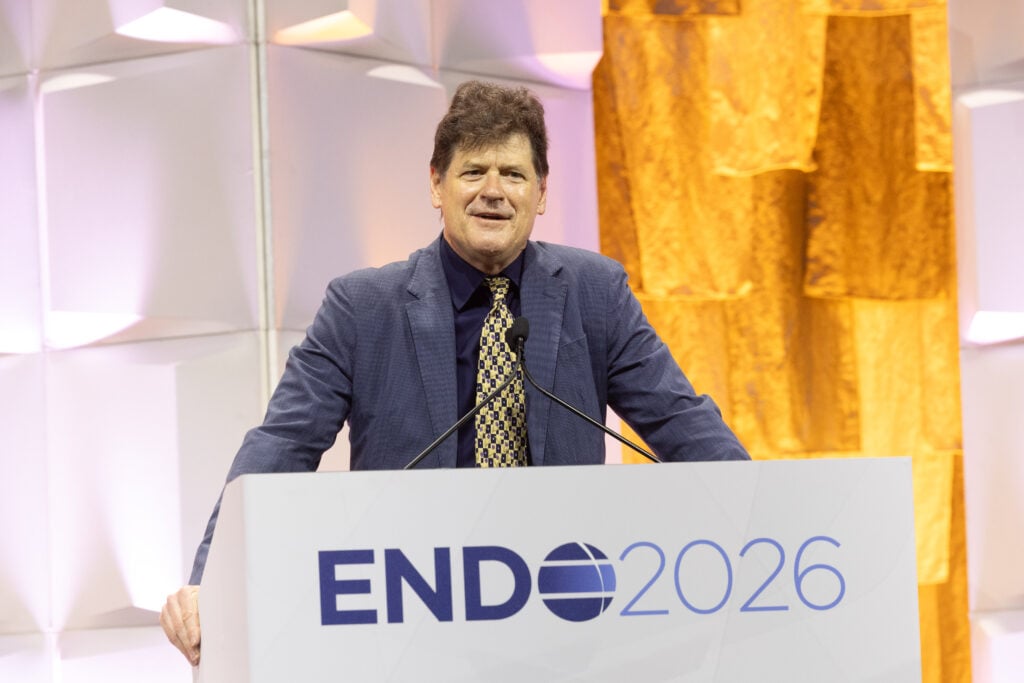
Martin Reincke, MD (second from right), at ENDO 2026 Plenary on Sunday June 5 with fellow 2026 Endocrine Society Laureates (left to right) Alvin C. Powers, MD, Roy O. Greep Award for Outstanding Research; Bradley Anawalt, MD, Outstanding Educator Award; outgoing Endocrine Society President Carol Lange, PhD; and Samuel Klein, MD, Outstanding Clinical Investigator Award.
EN: One of your nominators described you as “a role model par excellence for aspiring early-career clinical and translational endocrinologists.” Looking ahead, what excites you most about the next generation of endocrinologists, and what do you hope they’ll accomplish?
Reincke: I am excited by their fearlessness. They move effortlessly between AI, genomics, imaging, and patient care in ways my generation never could. My hope is that they’ll ask bigger questions than we did and never forget that every dataset represents a person waiting for a better diagnosis or treatment. This is what Francis Collins recently said and I have nothing to add!
EN: Science can be all-consuming. What’s your favorite way to unplug when you step away from the classroom?
Reincke: I am a passionate violin player. Just last week I played Dvořák’s Dumky Trio with close friends. It’s inspired by Ukrainian folk songs and contains, in less than half an hour, more joy, longing, despair, and hope than many books. After that, reviewer comments seem much less dramatic.
—Shaw is a freelance writer based in Carmel, Indiana. She writes the monthly Laboratory Notes column and is a regular contributor to Endocrine News.
Join the Global Movement Advancing Endocrine Science and Medicine
Become a part of a community of 18,000-plus endocrine investigators and clinicians who conduct research and provide quality patient care in more than 100 countries. Advance your career and the field of endocrinology through our many educational, leadership and advocacy opportunities.