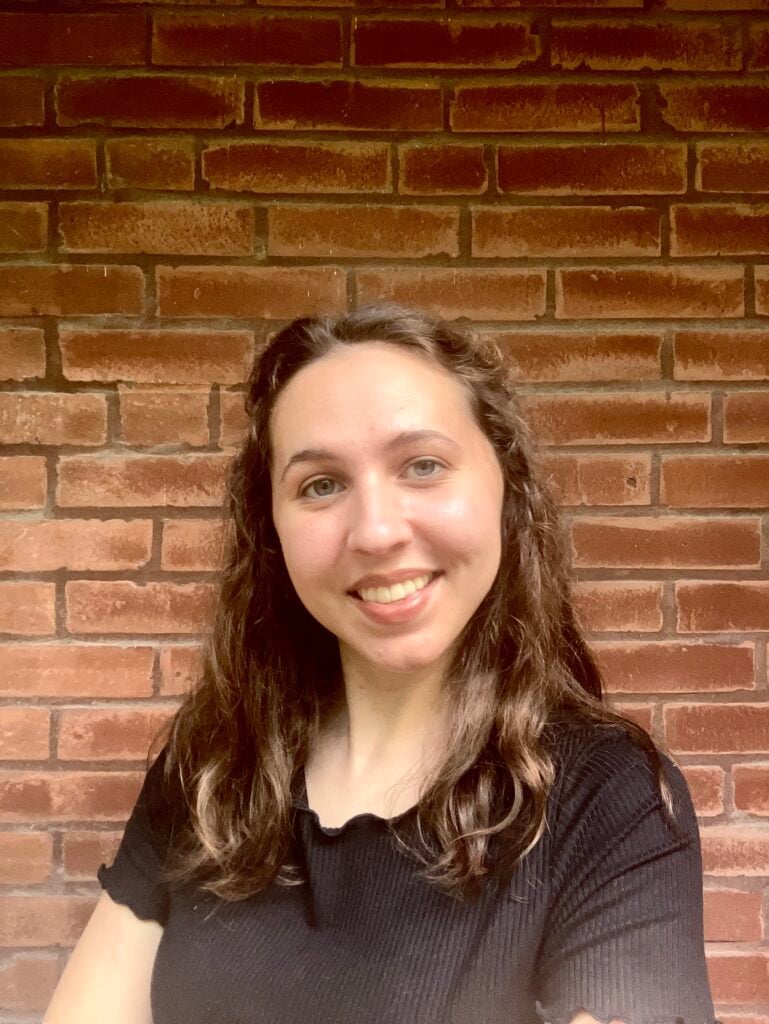
Early-career and in-training members get their chances to shine brightly at the Rising Star Power Talks that take place at ENDO each year. Endocrine News caught up with this year’s Basic Science winner, Lila Dabill, a PhD student at Washington University in St. Louis, Mo., to learn more about her research, future plans, the impact the Endocrine Society has had on her career, and more.
Each year, one of the most popular events at ENDO is the Rising Stars Power Talks and ENDO 2026 was certainly no different. These talks see 15 early-career and in-training Endocrine Society members get the chance to communicate their groundbreaking research with an audience of their peers.
The judges and audience decided the winners of this blitz style research communication competition, and this year’s winners were: Basic Science: Lila Dabill, PhD student, Washington University, St. Louis, Mo.; Clinical Science: Brittany Weisbrot, internal medicine resident, Loyola University Medical Center, Maywood, Ill.; Translational Science: Dillon Boulton, PhD, postdoc fellow, Department of Pathology, University of Colorado – Anshutz Medical Campus, Aurora, Colo.; and the Audience’s Choice was Konstantinos Stefanakis MD, PhD (candidate), cardiology fellow, postdoctoral research fellow, Harvard Medical School, Beth Israel Medical Center, Boston, Mass.
Endocrine News scored a front-row seat to the proceedings and caught up with this year’s winners to find out more about their award-winning research, their future research goals, how it felt to present in a room of their peers, and more.
In this second of four installments, we chat with this year’s Basic Science winner, Lila Dabill, a PhD student at Washington University in St. Louis, Mo., to learn more about her research, future plans, the impact the Endocrine Society has had on her career, and more.
Endocrine News: Tell us a little bit about the research that you presented at the session.
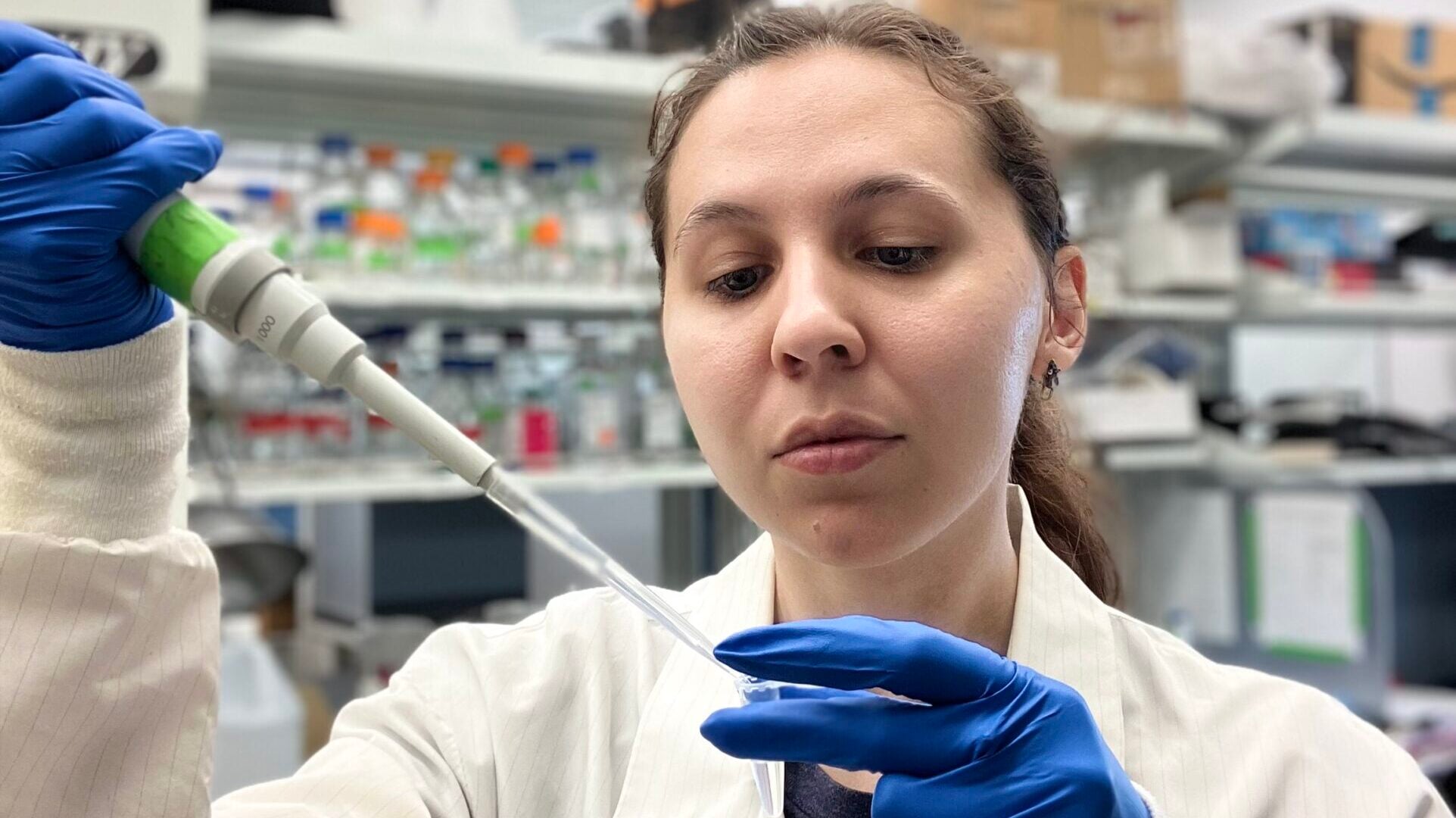
Lila Dabill: I had the pleasure of presenting on my current PhD thesis work in Dr. Erica Scheller’s Lab. We are examining an NADase enzyme called Sarm1 found primarily within the nervous system. Sarm1 is the central executioner of Wallerian axon degeneration which occurs after injury, and because of this, multiple companies are already developing Sarm1 inhibitors as a treatment method for neuropathy and neurodegenerative diseases. We have discovered that knocking out Sarm1 in all the nerves of the mice prevents the onset of high fat diet induced obesity, insulin resistance, and liver steatosis. We performed rigorous metabolic caging assessments and thermogenic testing and found that the prevention in weight gain is independent of energy expenditure, activity, and thermogenesis. We are now moving our hypothesis to the gut as a possible mechanism for the prevention of weight gain. Our goal now is to perform functional assays and wholemount imaging techniques to determine whether Sarm1 neural knockout is protecting against high fat diet induced gut dysfunction and enteric neuropathy. Once this work is complete, we can explore the exciting potential of using Sarm1 inhibitors as a way to treat multiple facets of obesity and metabolic dysfunction simultaneously.
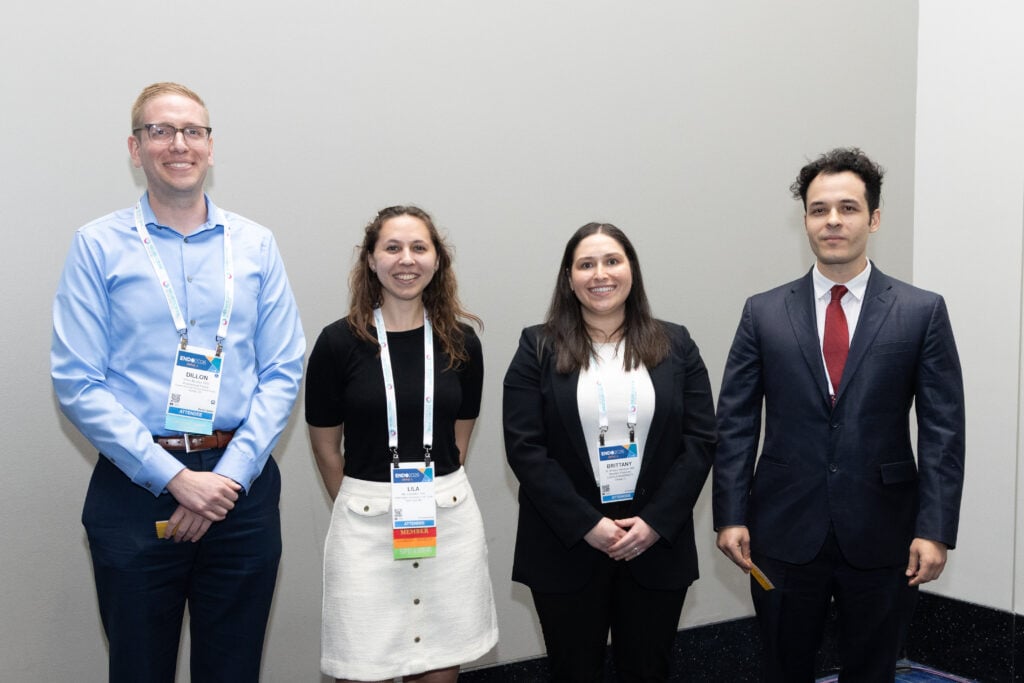
From left to right are the 2026 Rising Star Power Talks winners: Translational Science: Dillon Boulton, PhD, postdoc fellow, Department of Pathology, University of Colorado – Anshutz Medical Campus, Aurora, Colo.; Basic Science: Lila Dabill, PhD student, Washington University, St. Louis, Mo.; Brittany Weisbrot, internal medicine resident, Loyola University Medical Center, Maywood, Ill.; and the Audience’s Choice was Konstantinos Stefanakis MD, PhD (candidate), cardiology fellow, postdoctoral research fellow, Harvard Medical School, Beth Israel Medical Center, Boston, Mass.
EN: What inspired you to undertake this specific research?
Dabill: Obesity and type 2 diabetes are a rising issue within the U.S., and there aren’t enough treatment methods available for these patients. Current methods of treatment can cause concerning side effects and aren’t effective in every patient. This project has been an exciting opportunity for me to explore issues of obesity and type 2 diabetes from a new angle. It has been interesting and exciting to uncover how Sarm1 in the nervous system plays a role in metabolic dysfunction and weight gain, and it is my hope that this work will provide insight into new neural mechanisms for the treatment of obesity and type 2 diabetes.
“The collaborative and supportive environment of the Endocrine Society has supported growth and rigor in my research and challenged me to try new approaches. I’m grateful for the opportunity to learn from experts in the field and for the exciting discussions that follow. I can’t wait to learn more and meet new people at ENDO 2027.” – Lila Dabill, PhD student, Washington University, St. Louis, Mo.
EN: How did it feel to present your work in such a lively environment among your peers and mentors?
Dabill: It was thrilling to have the opportunity to present my work in such a fast-paced, elevator pitch style. I find this style of presentation very satisfying to put together since it forces the speaker to stay succinct and really get to the heart of why the research matters. It was great getting to witness that from all the other excellent Rising Star scholars during the session as well. As scientists, it’s crucial that we practice the ability to pitch our work to a wide audience and convince them that our work is important for the benefit of the general public. I’m thankful that the Endocrine Society gave me this opportunity to practice that this year.
EN: Can you explain what sort of impact the Endocrine Society has had on your research career?
Dabill: The Endocrine Society has served as a great home-base society for me during my PhD thus far. I’ve had the pleasure of attending and presenting over the past few years and look forward to continuing my involvement. The collaborative and supportive environment of the Endocrine Society has supported growth and rigor in my research and challenged me to try new approaches. I’m grateful for the opportunity to learn from experts in the field and for the exciting discussions that follow. I can’t wait to learn more and meet new people at ENDO 2027.
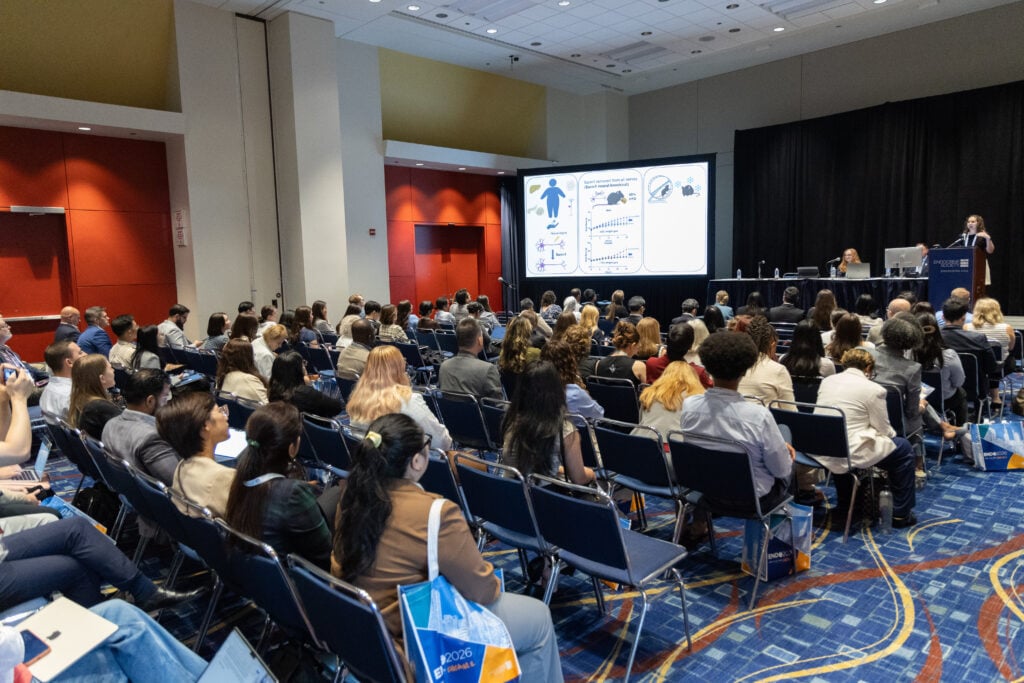
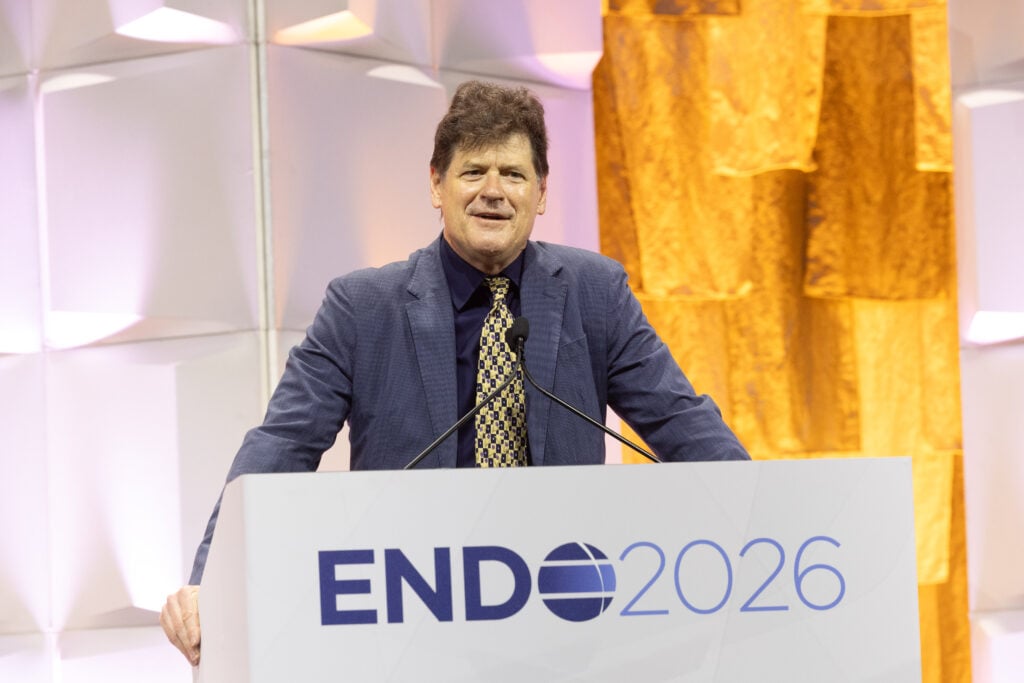
Dabill makes the case for her science in front of a packed room full of peers during the 2026 Rising Star Power Talks during ENDO 2026 in Chicago, Ill., in June.
EN: What’s next for you and your research? Where do you go from here?
Dabill: We’re in an exciting phase of my research project where we are now exploring the gut phenotypes and mechanisms of Sarm1 neural knockout with high fat diet. Results from this work will inform on whether Sarm1 neural knockout is protecting against obesity by preventing high fat diet induced gut dysmotility and dysregulated gut-brain-axis signaling. It is exciting to consider a treatment option, such as Sarm1 inhibitors, for obesity and type 2 diabetes where we could target issues of neuropathy, insulin resistance, fatty liver, and weight gain simultaneously. As for me, I am planning on defending in spring of 2027 and will begin looking for a post-doctoral position. My long-term goal is to establish a lab as a PI in the field of metabolism and neural regulation of metabolism.
Newman has been the editor of Endocrine News since he began working for the Endocrine Society in 2013. Feel free to send him story ideas at: [email protected].
Join the Global Movement Advancing Endocrine Science and Medicine
Become a part of a community of 18,000-plus endocrine investigators and clinicians who conduct research and provide quality patient care in more than 100 countries. Advance your career and the field of endocrinology through our many educational, leadership and advocacy opportunities.