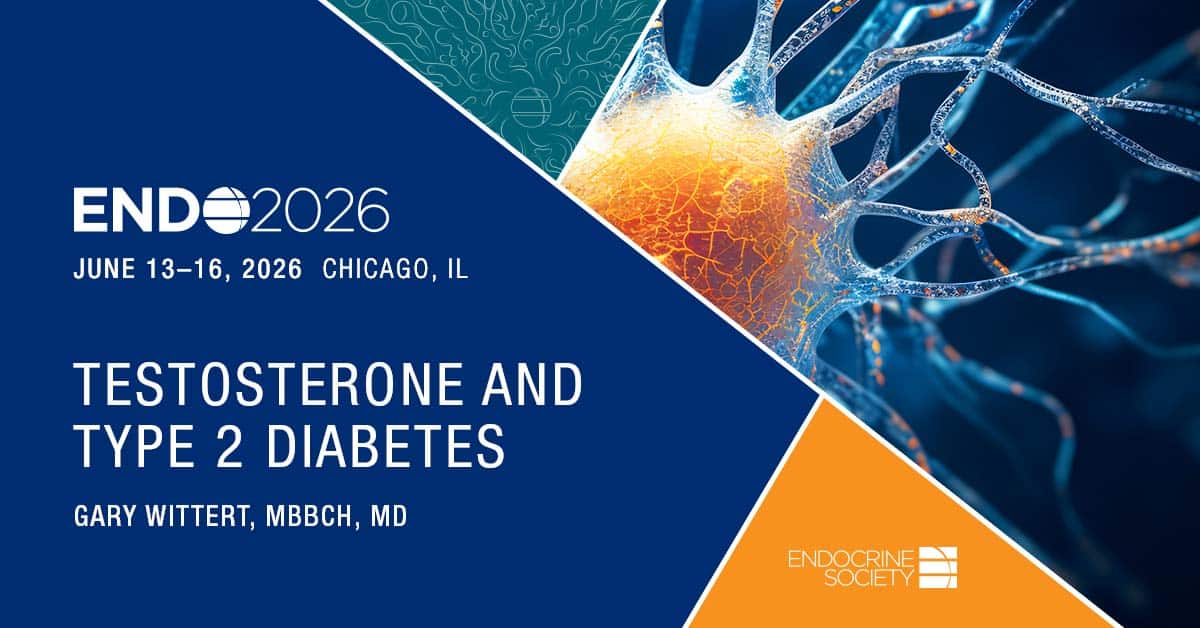
Testosterone treatment may improve body composition, glucose metabolism and sexual desire in some older men at high risk of type 2 diabetes, but an ENDO 2026 study by Gary Wittert, MBBch, MD, finds these benefits require engagement in a lifestyle program.
More than 40 million people in the U.S. and hundreds of millions worldwide have been diagnosed with type 2 diabetes, and more than 115 million adults in the U.S. are estimated to have prediabetes. Type 2 diabetes is diagnosed most commonly in adults aged 45 and older. It is strongly linked to abdominal obesity and loss of muscle mass and strength. Early detection and treatment can decrease the risk of developing complications of type 2 diabetes.
“Testosterone treatment alone is not a replacement for lifestyle intervention, weight management or standard diabetes prevention in older men with central obesity and prediabetes or early type 2 diabetes,” according to Gary Wittert, M.B.B.ch., M.D., of Adelaide University and Royal Adelaide Hospital in Adelaide, Australia, the study’s lead author.
Results are based on a sub-study of the randomized, double-blind, placebo-controlled Testosterone for the Prevention of Type 2 Diabetes Mellitus (T4DM) research published in 2021, which involved 1,007 men aged 50-74 who were either at high risk of developing or had newly diagnosed type 2 diabetes. While the T4DM study showed that testosterone plus lifestyle intervention reduced the likelihood of diabetes being present after two years, the new research deepens insights related to a subset of 121 patients who were studied for an additional two years. Wittert led the T4DM study.
“One takeaway message from this is that ongoing engagement in a structured weight management program is extremely important for maintenance and the benefit of testosterone.” – Gary Wittert, MBBch, MD
The new research extended the T4DM study among a subgroup of 121 participants who elected to continue blinded treatment for two additional years without ongoing enrollment in the lifestyle program. The study aimed to determine the longer-term effects of testosterone treatment on blood sugar, measures of obesity, skeletal muscle mass and strength, sexual function, and safety.
Results show that most of the benefits on blood sugar control occurred in the first two years and diminished by the fourth year. Blood sugar control remained significantly better than the placebo treated group. The improvements in body composition (reduction in fat and increase in muscle) and sexual desire that occurred during the first two years were maintained at four years.
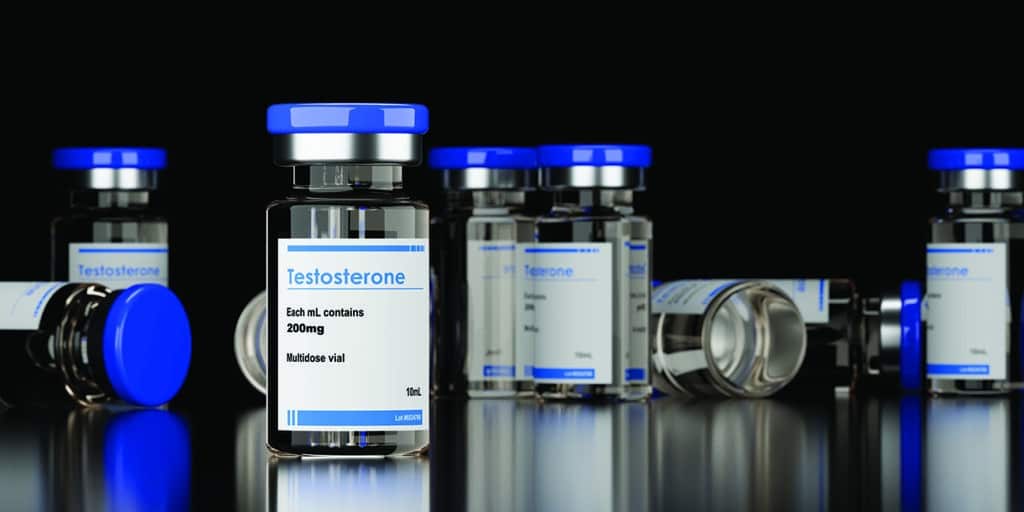
Testosterone did not clearly improve overall quality of life compared with placebo at either two or four years. Overall, quality of life was similar between both study groups over the four years. No new safety concerns were identified.
“Our data found that in the specific group of men 50 and older we studied, testosterone alone is not a replacement for changes in diet and exercise, and that it is most beneficial when paired with a lifestyle program. It also may encourage clinicians to look more carefully at men’s metabolic health, waist circumference, muscle health, sexual symptoms and testosterone status as connected issues rather than treating them in isolation,” Wittert explained.