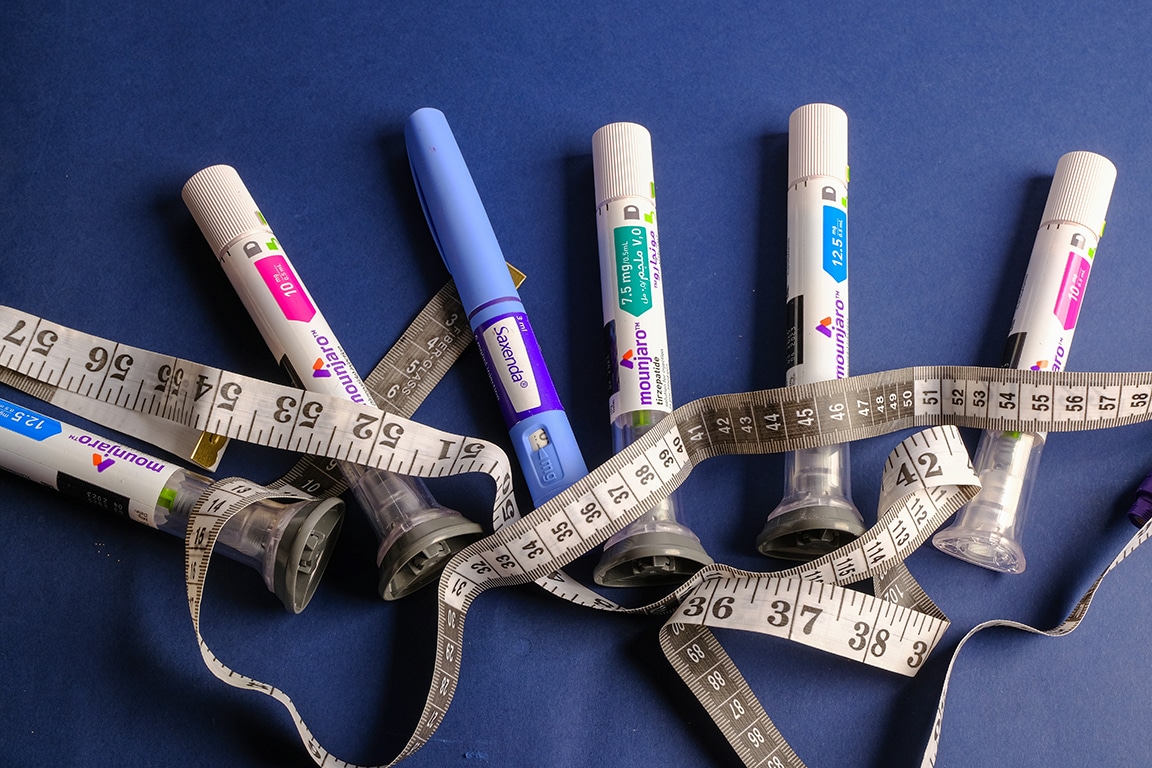
Popular diabetes and weight-loss medications known as GLP-1 receptor agonists do not increase the risk of cancer in patients with endogenous Cushing’s syndrome, according to a comprehensive nationwide study titled, “GLP-1 Recetor Agonist Exposure and Malignancy Risk in Patients with Endogenous Cushing’s Syndrome,” and published in The Journal of Clinical Endocrinology & Metabolism. The findings offer critical clinical reassurance for a highly vulnerable patient population prone to both severe metabolic disorders and elevated cancer risks.
Endogenous Cushing’s syndrome is a rare endocrine disorder driven by the body’s overproduction of the hormone cortisol. This chronic hypercortisolism frequently disrupts glucose metabolism, triggering severe insulin resistance, obesity, and type 2 diabetes in roughly a third of all patients. While GLP-1 receptor agonists — a drug class that includes widely used medications like semaglutide and liraglutide — have become a gold standard for managing weight and blood sugar, their safety profile in Cushing’s patients had remained largely unknown until now. Because individuals with Cushing’s syndrome already face a baseline elevated risk of developing malignancies, medical professionals have long anticipated concrete safety data before broadly prescribing these therapies.
The study authors concluded that these findings supply vital evidence establishing the oncologic safety of GLP-1 receptor agonists within this specialized population. As a result, endocrinologists can more confidently prescribe these highly effective metabolic tools to combat the severe diabetes and obesity that frequently impair the quality of life for Cushing’s syndrome patients.
To evaluate this risk, a team of international medical researchers analyzed real-world medical data spanning more than two decades from Israel’s Clalit Health Services database. The cohort included 609 patients diagnosed with endogenous Cushing’s syndrome between 2000 and 2023, excluding those with ectopic forms or adrenal carcinomas. Over an extensive average follow-up period of 14.7 years, researchers closely monitored the patients for the onset of new cancers while factoring in competing risks like overall mortality.
The statistical data revealed that 137 patients — comprising 22.5% of the total cohort — were prescribed and consistently took GLP-1 medications. Throughout the duration of the multi-year study, a total of 116 patients across the entire group developed cancer, and 141 individuals passed away.
Using an advanced time-varying analytical framework to account for the exact timing of when patients started their medication, the researchers found no statistically significant correlation between GLP-1 exposure and an increased probability of developing a malignancy. The crude hazard ratio initially sat at 1.65, but after adjusting for confounding health variables, the adjusted hazard ratio dropped to an entirely non-significant 1.22.
To ensure the robustness of their conclusions, the investigators performed secondary sensitivity analyses. This included implementing a strict 12-month lag period following the initiation of the drug to ensure pre-existing, undiagnosed cancers did not skew the data. They also stratified the results based on whether a patient’s Cushing’s syndrome was currently in remission. Both secondary checks yielded identical results, solidifying the evidence that the therapy does not trigger or accelerate tumor development. The study authors concluded that these findings supply vital evidence establishing the oncologic safety of GLP-1 receptor agonists within this specialized population. As a result, endocrinologists can more confidently prescribe these highly effective metabolic tools to combat the severe diabetes and obesity that frequently impair the quality of life for Cushing’s syndrome patients.