
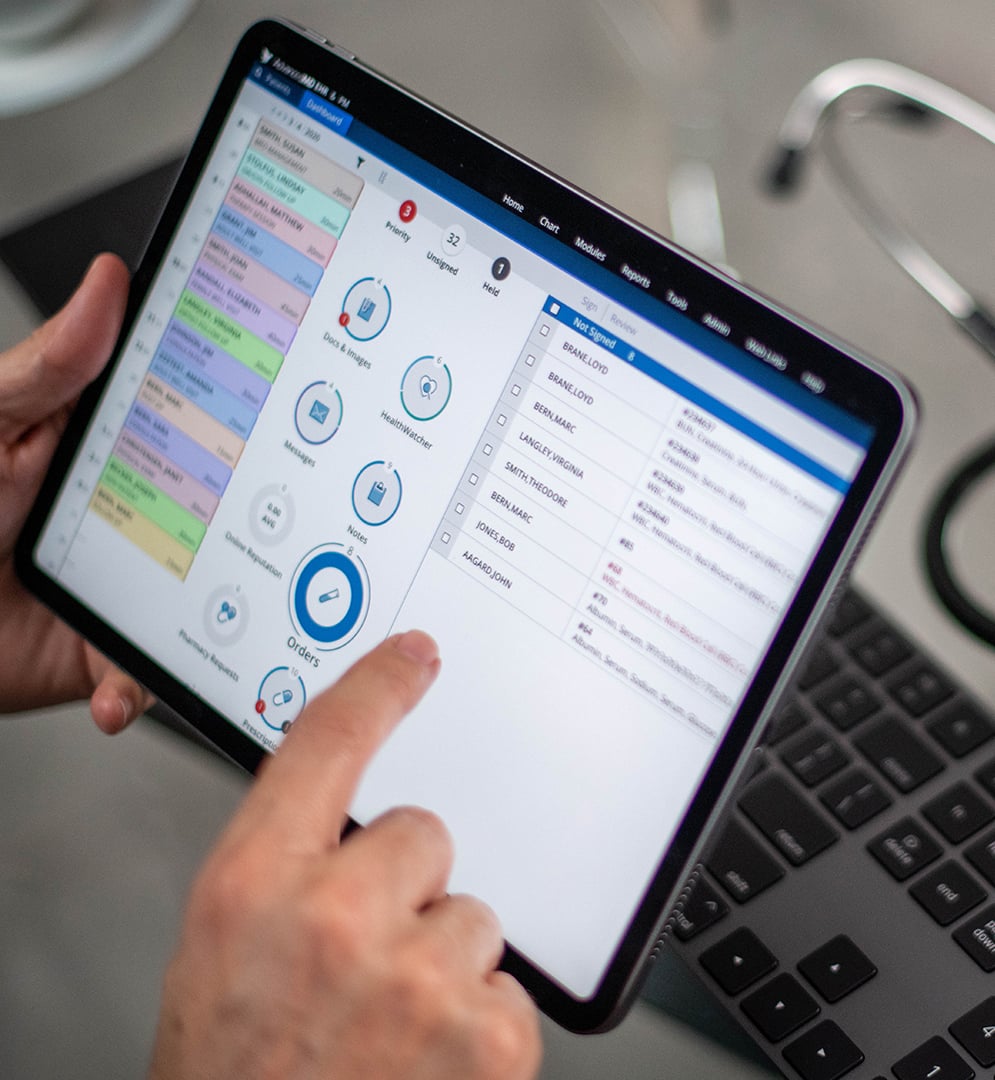
From tracking complex patient data to simplifying everyday workflows, today’s EHR platforms are transforming how endocrinologists manage their practices and patient care.
For endocrinologists, an electronic health record (EHR) has to do more than house patient charts. The right platform can help clinicians follow years of laboratory trends, manage diabetes technology data, monitor medications and hormone therapies, streamline prior authorizations, communicate with patients, and coordinate care across specialties. But with platforms ranging from large enterprise systems to customizable, endocrinology-focused solutions, determining which features actually matter can be challenging.
Here, we take a look at some of today’s EHR options, and the capabilities endocrinologists should consider when choosing – or reevaluating – the system at the center of their practice.
Epic
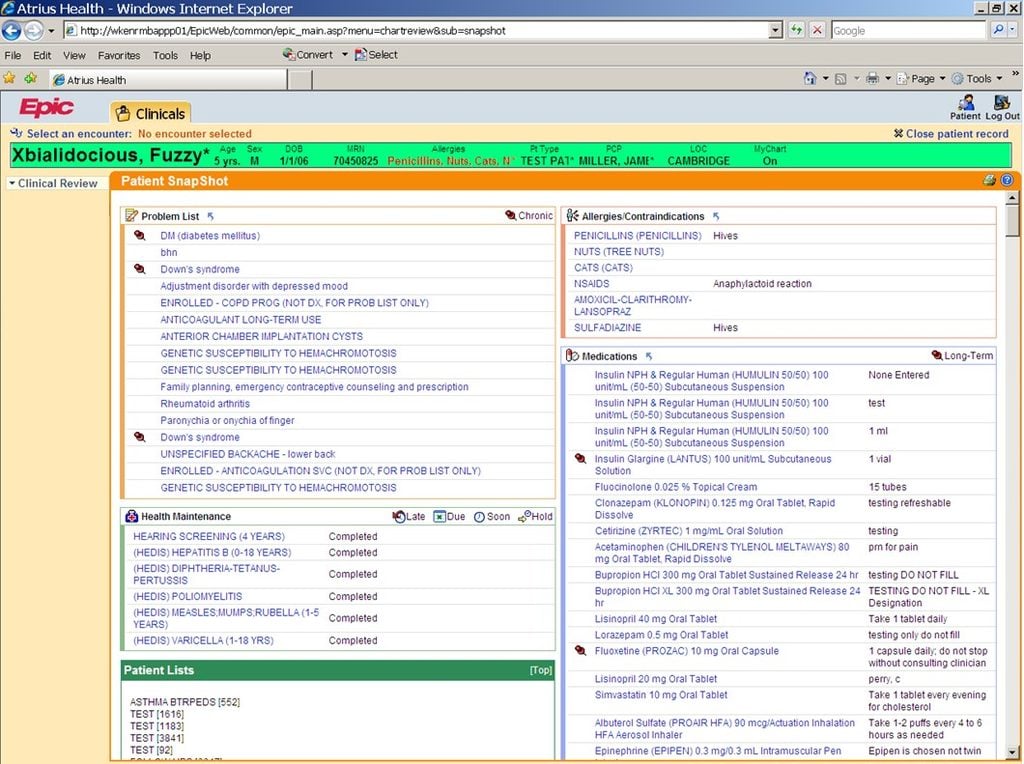
A mainstay in large health systems and academic medical centers, Epic offers a robust EHR environment for endocrinologists managing complex and often multidisciplinary care. Its capabilities can support diabetes management, longitudinal laboratory and medication tracking, growth charts, thyroid surveillance, and hormone therapy monitoring. Interoperability is a particular strength, allowing practices to exchange information across laboratories, imaging centers, referring providers, and patient-facing tools. Integrations with third-party platforms can also bring CGM and insulin pump data into the clinical workflow. www.epic.com
athenahealth
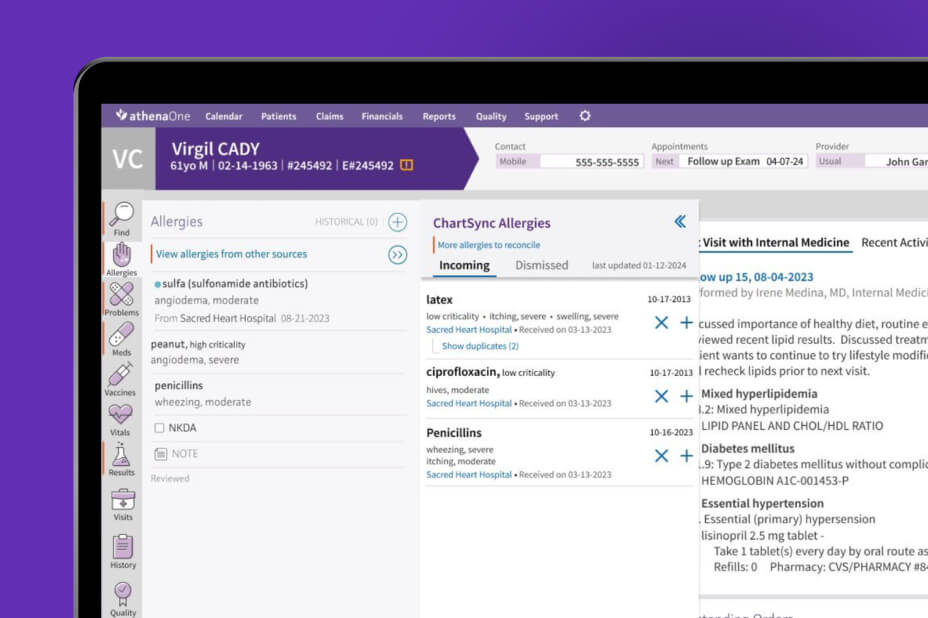
athenahealth combines a cloud-based EHR with practice management, patient engagement, and revenue cycle tools. For endocrinologists, customizable templates can support workflows involving diabetes, thyroid disorders, and hormone therapies, while integrated prior authorization and payer tools may be particularly valuable for practices prescribing GLP-1 medications, growth hormones, and other high-cost therapies. Online scheduling, patient communication, automated outreach, and other digital tools can also help practices manage patients between visits. Its emphasis on reducing administrative burden makes it an option worth considering for practices looking for both clinical and operational support. www.athenahealth.com
ModMed
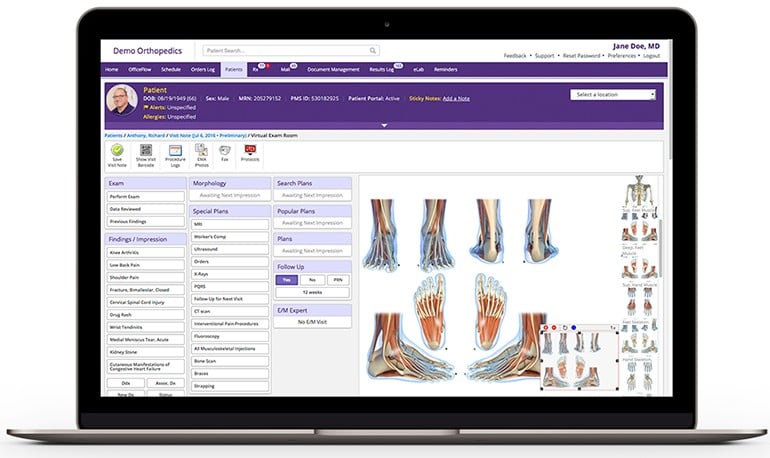
Built with specialty care in mind, ModMed offers customizable workflows and tools that can be adapted for diabetes management, thyroid disease, and other hormonal disorders. Its mobile-friendly interface is designed to make point-of-care documentation easier, while adaptive technology learns clinicians’ documentation patterns and can streamline frequently repeated tasks. Features such as medication management, laboratory trending, patient education, and access to patient-generated health information can help bring important endocrine data into one workflow. www.modmed.com
eClinicalWorks
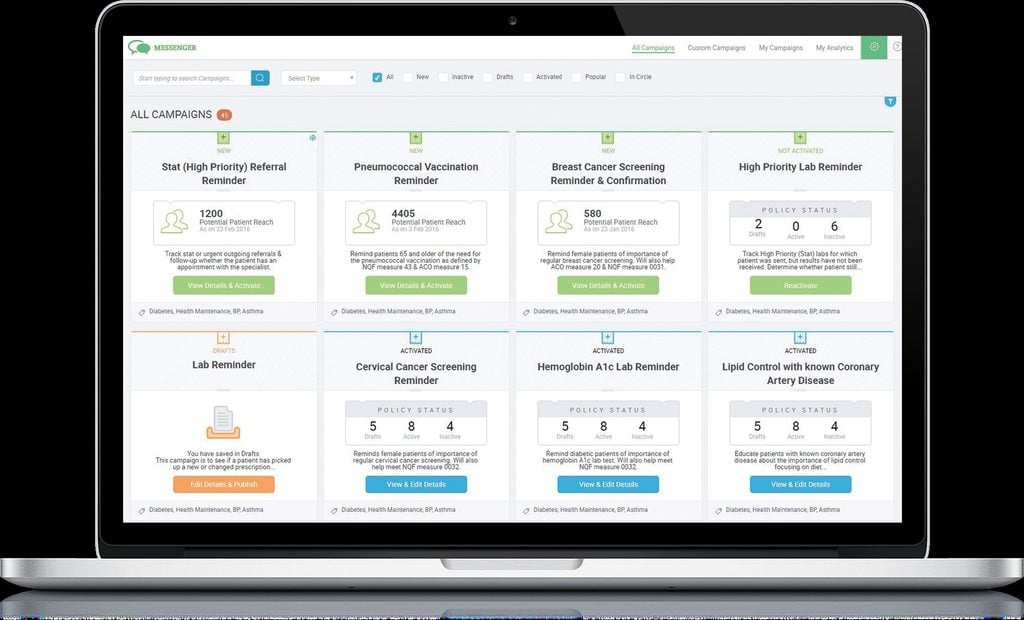
eClinicalWorks combines EHR functionality with population health, patient engagement, telehealth, and chronic disease management tools designed to support endocrinology care. Diabetes-focused workflows help clinicians monitor A1C and other key measurements over time, while population health features can identify patients who are overdue for testing, screenings, or follow-up care. Its patient platform also allows providers to communicate with patients and collect health information outside the traditional office visit. www.eclinicalworks.com
NextGen Healthcare
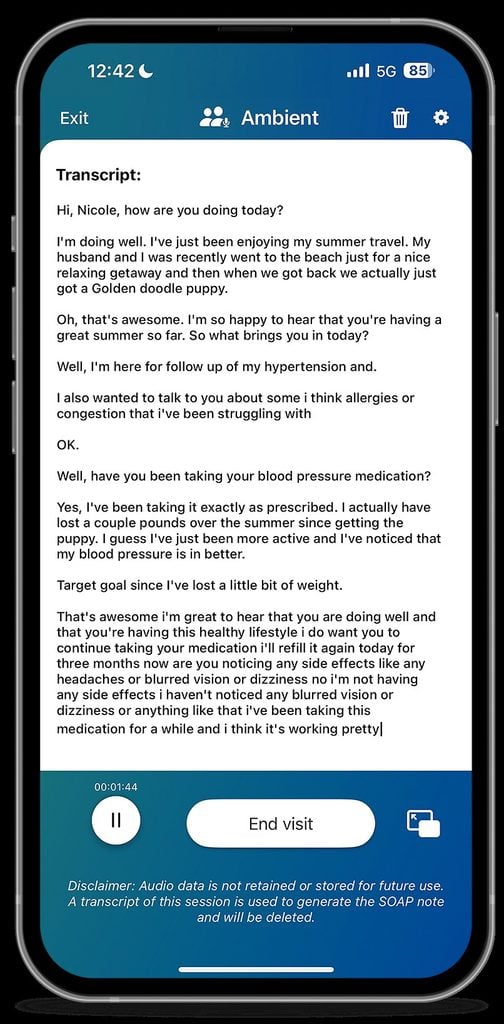
Designed with multi-provider and specialty practices in mind, NextGen Healthcare offers customizable templates, clinical decision support, population health tools, and interoperability features supporting endocrine care. Its ability to exchange information with primary care physicians, diabetes educators, dietitians, ophthalmologists, laboratories, and hospital systems may be particularly useful for patients whose endocrine conditions require multidisciplinary management. Automated outreach and quality-reporting capabilities can also help practices manage larger diabetes populations and stay on top of preventive and chronic care needs. www.nextgen.com
AdvancedMD
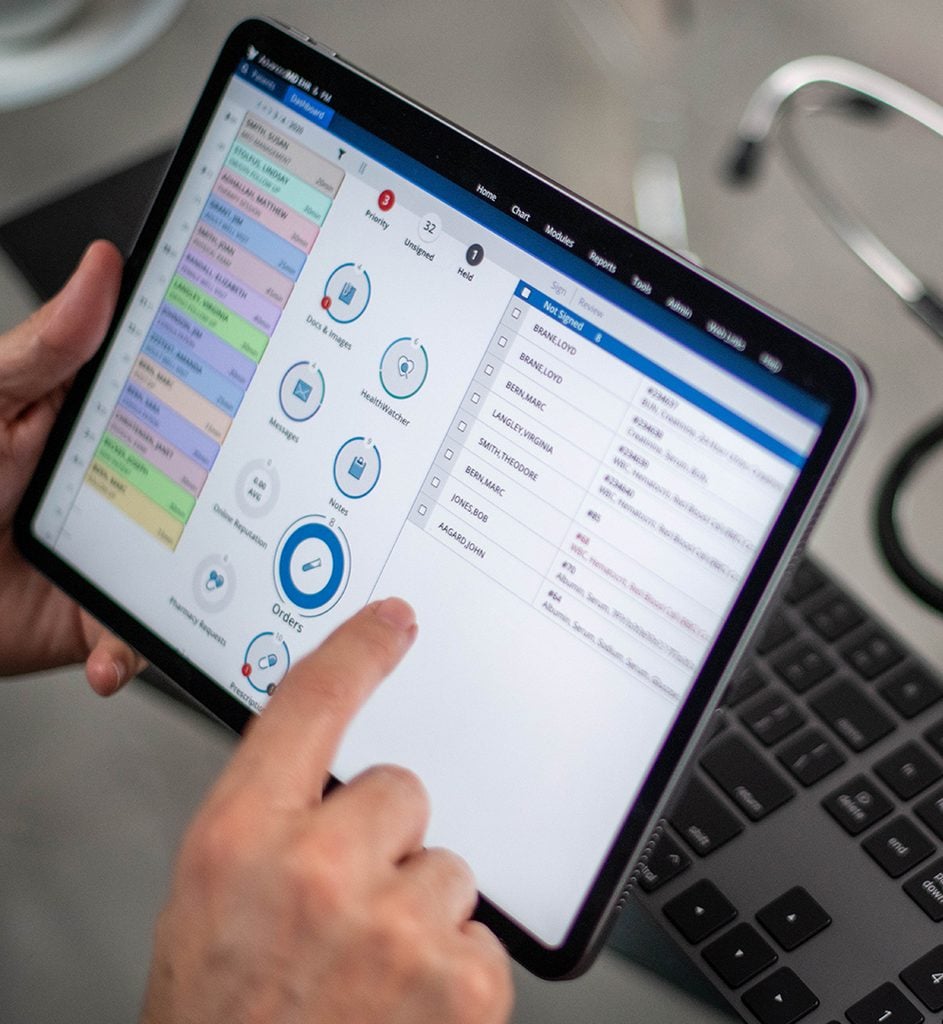
AdvancedMD brings EHR, practice management, billing, telehealth, and patient engagement capabilities together in a cloud-based platform. Customizable templates can be configured around diabetes management, thyroid surveillance, hormone therapy, and other endocrine workflows, while its revenue cycle tools address claims, denials, and payer requirements. Online scheduling, automated reminders, patient portal access, and telehealth add another layer of practice support. For endocrinology groups looking for a system that addresses both clinical documentation and the business side of running a practice, AdvancedMD offers a broad set of integrated tools. www.advancedmd.com
Whether managing diabetes, thyroid disease, osteoporosis, or other complex endocrine conditions, the right EHR can help bring the many pieces of patient care together. With platforms offering different levels of specialization, integration, automation, and practice management support, there is no one-size-fits-all solution. For endocrinology practices, the key is finding a system that fits their clinical focus and workflow while making it easier – not harder – to manage data, communicate with patients, and deliver coordinated care.
Carson is a freelance writer based in Birmingham, Ala. She contributes the EndoGear and Dashboard columns.