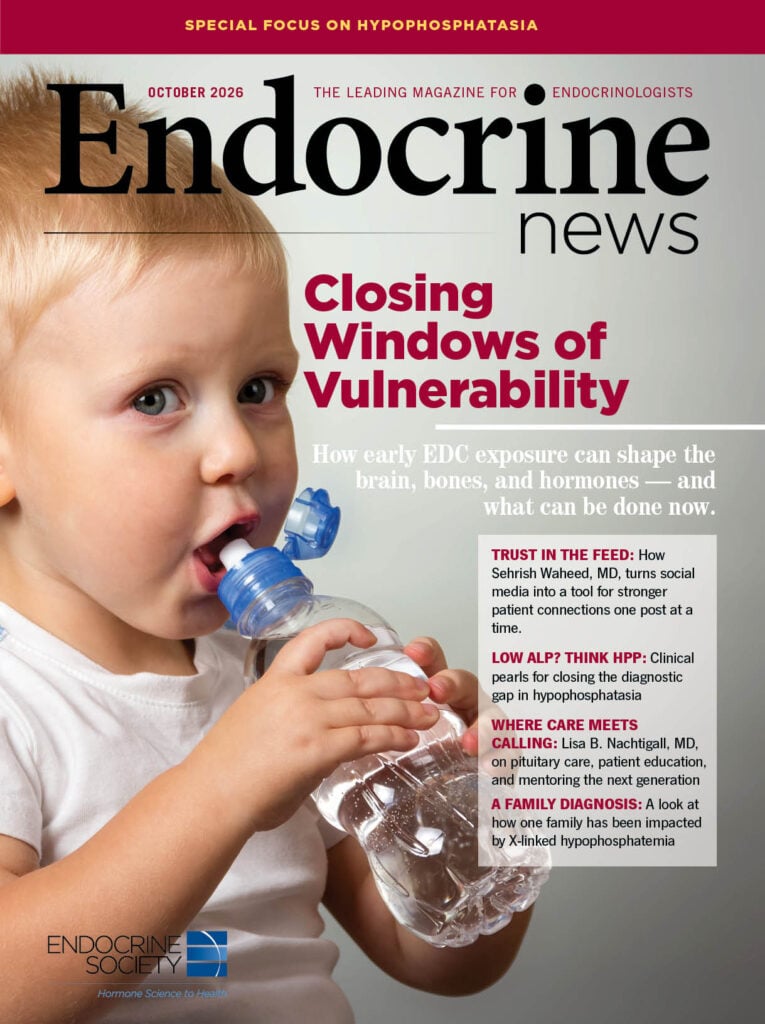
Where Care Meets Calling: Q&A with Lisa B. Nachtigall, MD
By Glenda Fauntleroy Shaw
Lisa B. Nachtigall, MD, discusses receiving the Endocrine Society’s 2026 Vigersky Outstanding Clinical Practitioner Award, her work in complex pituitary disorders, and her efforts to advance endocrinology through patient education, professional service, and early mentorship.
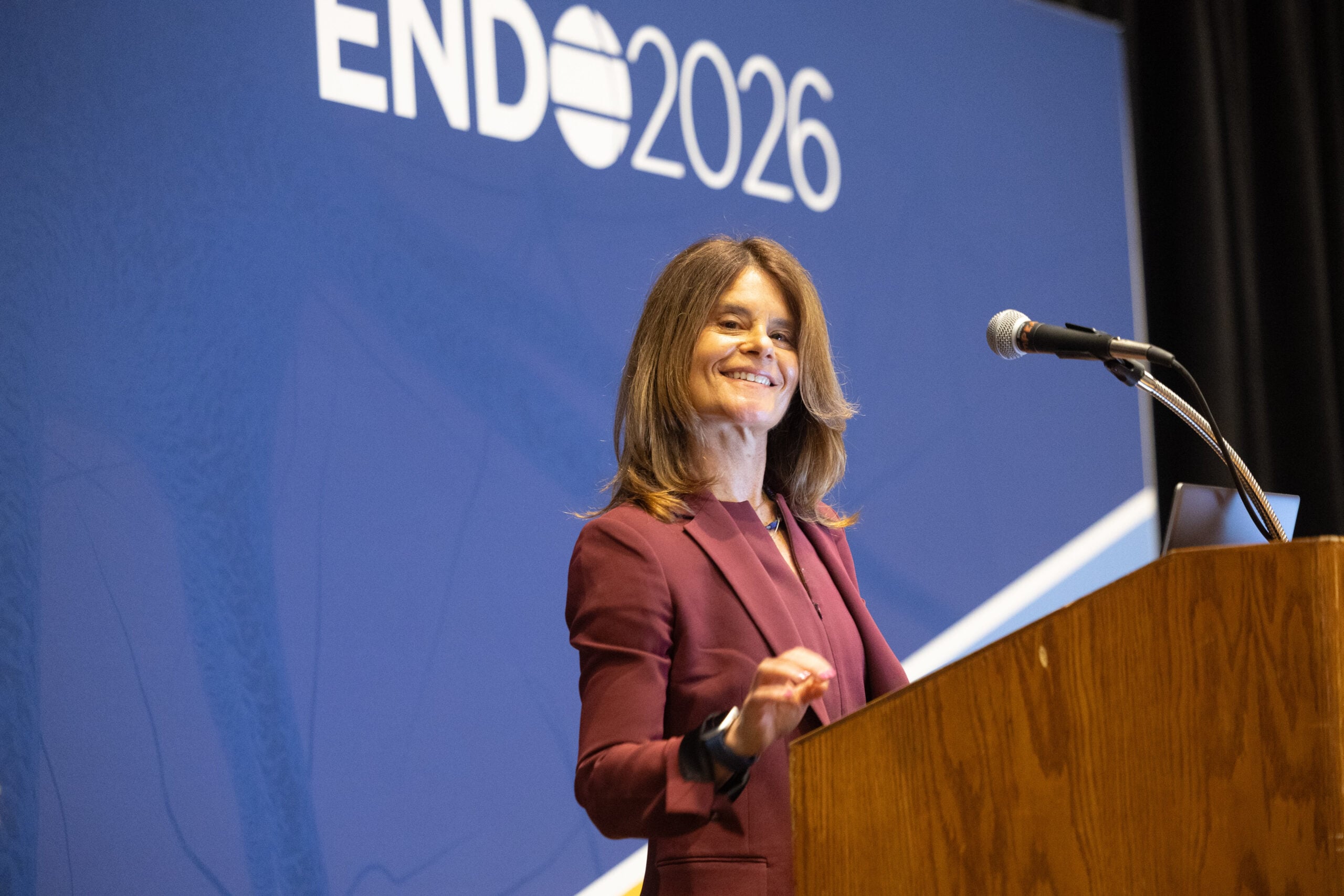
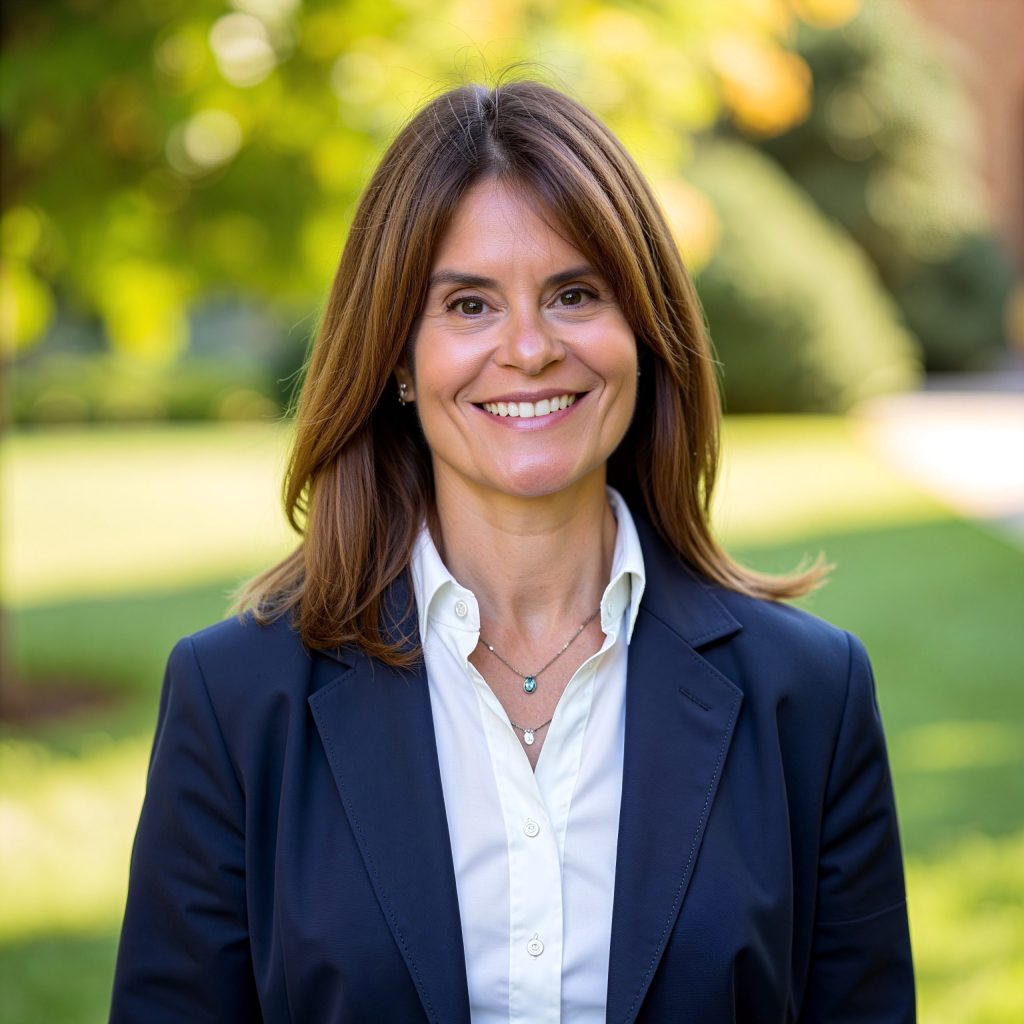
Lisa B. Nachtigall, MD, has built her career around the kind of medicine that extends far beyond the exam room: caring for patients with complex endocrine disorders, advocating for those with rare diseases, and helping inspire the next generation of endocrinologists. In recognition of her extraordinary contributions to clinical practice and the endocrine community, the Endocrine Society selected Nachtigall as a 2026 Laureate recipient of the Vigersky Outstanding Clinical Practitioner Award.
“It is rewarding when patients remember what you say beyond the visit and when they tell me my words become a mantra that they carry through each day. I also love diagnosing functioning pituitary tumors based on clinical history and when patients improve after remission of Cushing disease or acromegaly. They are grateful, and it is gratifying to care for them longitudinally, often over decades.” — Lisa B. Nachtigall, MD, medical director, Mass General Brigham Pituitary Center; associate professor of medicine, Harvard Medical School, Boston, Mass.
As medical director of the Mass General Brigham Pituitary Center and an associate professor of medicine at Harvard Medical School, Nachtigall has extensive expertise in pituitary disorders, particularly acromegaly. But her impact reaches well beyond her clinical practice. She has organized educational programs for patients with acromegaly, served on numerous Endocrine Society committees and task forces, and co-founded and directs a visiting scholars program designed to introduce students and trainees to endocrinology early in their careers.
Endocrine News caught up with Nachtigall to discuss what continues to excite her about clinical endocrinology, the challenges facing practitioners and their patients, and why she believes exposing young people to the specialty early can make all the difference.
Endocrine News:What did hearing news of the Laureate recognition mean to you?
Nachtigall: This was a career highlight for me. I was thrilled and honored. I felt recognized and valued, in an especially meaningful way, given my passion for the field and the high esteem I hold for the Endocrine Society. With so much talentin endocrinology, I understand how competitive it is to receive such an award.
EN: As clinical director at Mass General Brigham, what changes in clinical practice are you most excited about, and where do you think we still have the most work to do?
Nachtigall: New effective drugs are exciting. In obesity and metabolic dysfunction, GLP-1s are particularly transformative and their emerging potential role in other diseases beyond obesity, such as inflammatory disorders, is evolving.
Other new targeted therapies designed based on the knowledge of receptor signaling are useful in practice. For example, within my field of expertise, we now have a new oral therapy paltusotine that is easy for patients with acromegaly and works very well in tumors that express the somatostatin receptor type 2 (SST2). Setmelanotide, approved for hypothalamic obesity (HO), targets the melanocortin –4 receptor (MC4R). Both of these new drugs target G-coupled protein receptors.
“While the new drugs are exciting, it’s frustrating when we can’t get access for patients due to the expense and insurance issues. Prior authorization is a limitation and burden where much improvement is needed — a thorn in many specialty practices. Getting the medications approved for our patients is complicated and time consuming for both patients and doctors.” — Lisa B. Nachtigall, MD, medical director, Mass General Brigham Pituitary Center; associate professor of medicine, Harvard Medical School, Boston, Mass.
And while the new drugs are exciting, it’s frustrating when we can’t get access for patients due to the expense and insurance issues. Prior authorization is a limitation and burden where much improvement is needed — a thorn in many specialty practices. Getting the medications approved for our patients is complicated and time consuming for both patients and doctors. In our practice, we are fortunate to have a designated full-time person who just handles prior authorizations; this makes all the difference.
EN: Throughout your career, what has been the most rewarding moment, not necessarily the biggest achievement, but the moment that reaffirmed why you chose this path?
Nachtigall: It is rewarding when patients remember what you say beyond the visit and when they tell me my words become a mantra that they carry through each day. I also love diagnosing functioning pituitary tumors based on clinical history and when patients improve after remission of Cushing disease or acromegaly. They are grateful, and it is gratifying to care for them longitudinally, often over decades.
EN: You’ve co-founded and currently direct a visiting scholars program encouraging a pipeline of students and trainees in endocrinology. What is the most common message that you use to encourage potential students into pursuing the specialty?
Nachtigall: I try to offer a window on real-life practice in a pituitary center and let them hear the patients’ stories from the patient’s perspective. I do not try to persuade them to the field, but rather, expose them to highlights and interesting cases and research that stems from the bedside to bench. The longitudinal relationships and multidisciplinary model of a pituitary center has its own draw.
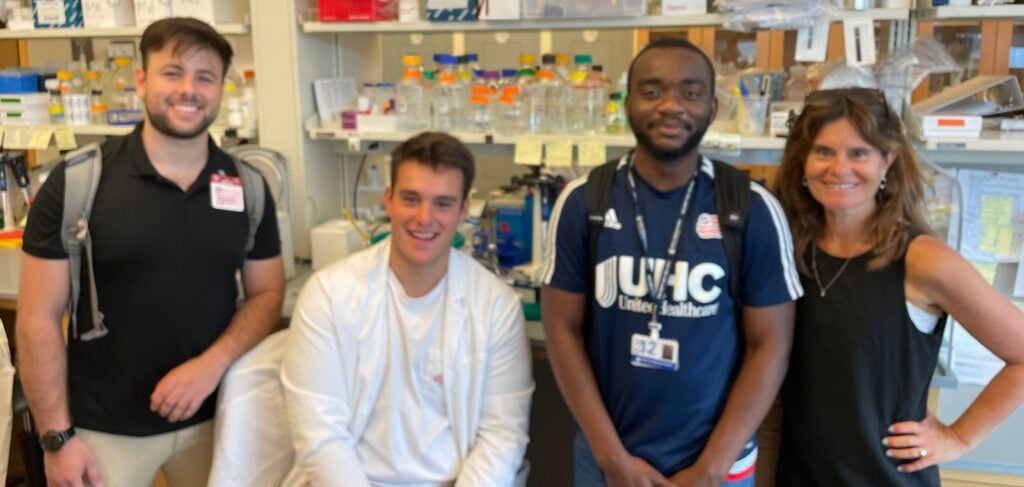
Nachtigall (right) with MGH Neuroendocrine Visting scholars (l to r) Kevin Bode MD, James Flaumenahft, MD, PhD student (HMS lab tour guide), and Dennis Nyanyo MD.
I direct three different programs that involve visitors coming to our center. One is an international program, which includes students or professors who seek to learn more about the pituitary field. The international program attracts physicians and trainees from different cultures and we learn from them, too. There’s a second program at Harvard, an advanced clinical clerkship, in neuroendocrine for Harvard medical students.
The program that is most unique and critical for the pipeline is our Visiting Scholars program that caters to students from diverse backgrounds who are early career, from the second year of college through medical school. Some haven’t applied to medical school yet, but they’re interested in learning about it. So, our program gives them very early exposure to the field, and many have gone on to practice endocrinology or a related specialty.
I remember one student, especially, as she was one of the first in the program, who pivoted to endocrinology saying, ‘I thought I wanted to go into the ER, but I love that your patients know you so well for so many years.’ That has stuck with me.
EN: How important has the Endocrine Society been throughout your career?
The Endocrine society has been a critical part of my career.
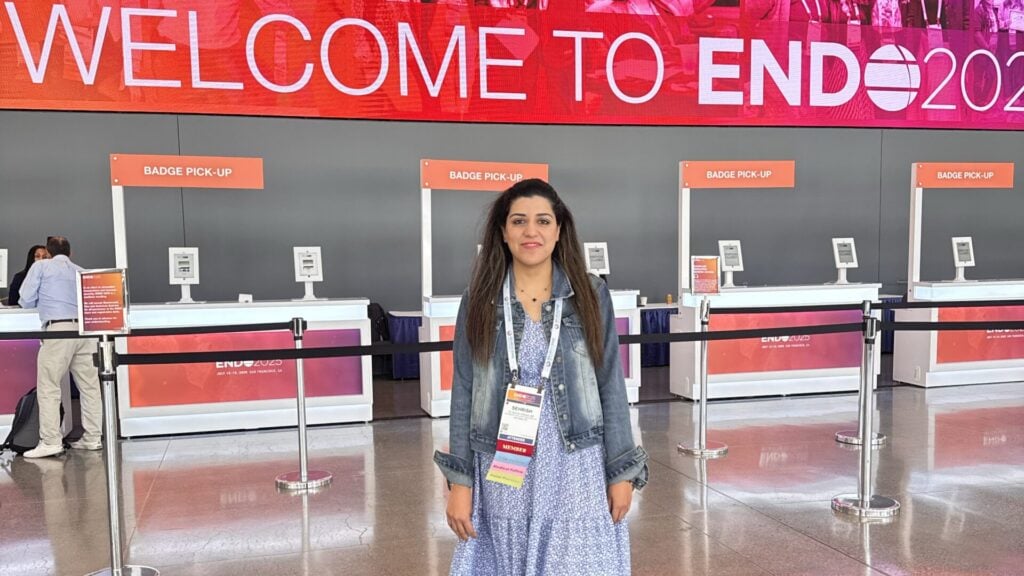
Starting with my oral presentation as a fellow in 1996, I recall the excitement and rigor associated with my first scientific talk to national experts at my at the international meeting that year in San Francisco. Thereafter, I attended ENDOs for 30 years as they reliably offer the highest quality of endocrine education and innovative scientific content. I always learn something new and meet someone new at the annual meeting. The Endocrine Society meetings and committee work connected me with colleagues who have become friends and collaborators, inspired me to grow as an endocrinologist and enabled learning from educators and investigators outside of my home institution.
“The Endocrine Society is an organization focused on excellence and committed to fairness and integrity, a trusted source of information, and a hub of professional opportunities that transcend the local politics of one’s individual medical center or university. There is much value to that, and I think the Society is beneficial to endocrinologists at every stage from the earliest phase of one’s career to the most senior.” — Lisa B. Nachtigall, MD, medical director, Mass General Brigham Pituitary Center; associate professor of medicine, Harvard Medical School, Boston, Mass.
The Endocrine Society is an organization focused on excellence and committed to fairness and integrity, a trusted source of information, and a hub of professional opportunities that transcend the local politics of one’s individual medical center or university. There is much value to that, and I think the Society is beneficial to endocrinologists at every stage from the earliest phase of one’s career to the most senior.
EN: Practicing medicine can be all-consuming. What’s your favorite way to unplug when you step away from the hospital?
Nachtigall: I like urban hikes, coastal walks, and trails near water. I love the ocean and being outdoors. Exploring with family and friends is the best!
—Shaw is a freelance writer based in Carmel, Indiana. She writes the monthly Laboratory Notes column and is a regular contributor to Endocrine News.
Join the Global Movement Advancing Endocrine Science and Medicine
Become a part of a community of 18,000-plus endocrine investigators and clinicians who conduct research and provide quality patient care in more than 100 countries. Advance your career and the field of endocrinology through our many educational, leadership and advocacy opportunities.