Many primary aldosteronism cases remain undiagnosed and untreated
Endocrine Society experts encouraged more widespread screening for a common hormonal cause of high blood pressure known as primary aldosteronism in a new Clinical Practice Guideline released today.
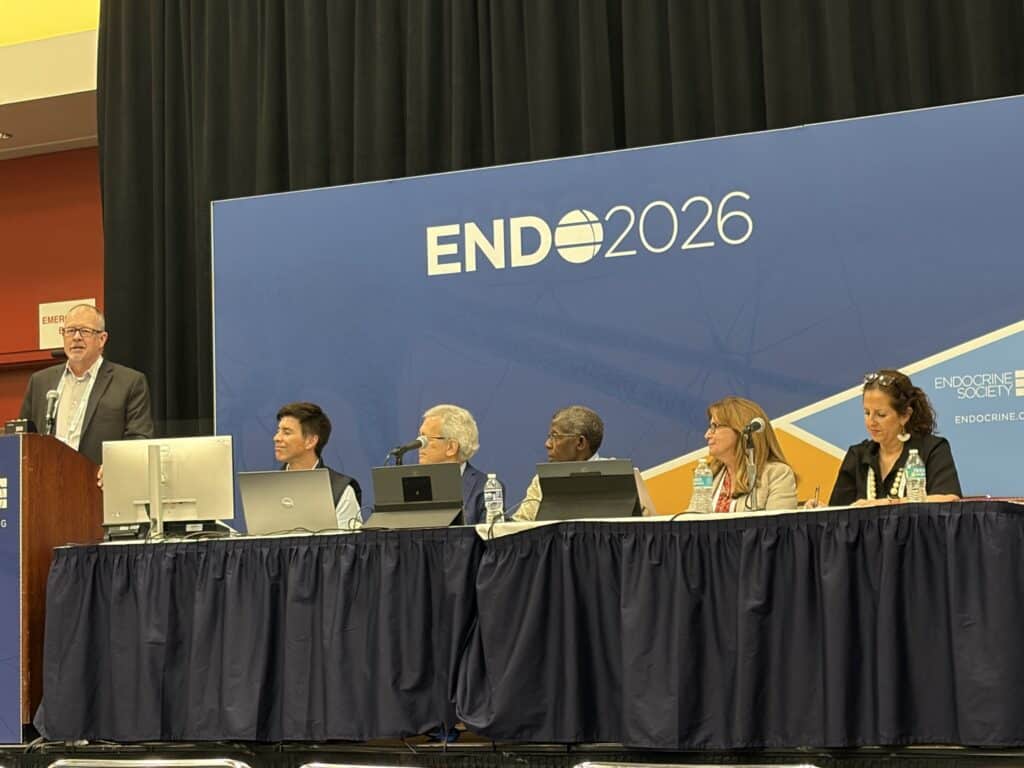
“Primary Aldosteronism: An Endocrine Society Clinical Practice Guideline” was published online and is being presented at ENDO 2025, the Society’s annual meeting.
A significant minority of people who are diagnosed with hypertension, or high blood pressure, actually have undiagnosed primary aldosteronism. An estimated 5% to 14% of people with high blood pressure seen in primary care and up to 30% seen in referral centers have primary aldosteronism.
Many individuals with hypertension never receive a blood test for primary aldosteronism. When the condition is not diagnosed and treated, it raises the risk of cardiovascular complications, including stroke, coronary artery disease, atrial fibrillation, heart failure, and renal disease.
The guideline authors suggested patients who are diagnosed with primary aldosteronism should receive treatment specific to the condition. Treatment options include medications and surgery.
“People with primary aldosteronism face a higher risk of cardiovascular disease than those with primary hypertension,” says the guideline’s writing group chair, Gail K. Adler, MD, PhD, of Brigham and Women’s Hospital and Harvard Medical School in Boston, Mass. “With a low-cost blood test, we could identify more people who have primary aldosteronism and ensure they receive the proper treatment for the condition.”
Primary aldosteronism occurs when the adrenal glands–the small glands located on the top of each kidney–produce too much of the hormone aldosterone. This causes aldosterone, which helps balance levels of sodium and potassium, to build up in the body. High blood pressure is typically the only symptom of the condition.
The guideline suggests that everyone who is diagnosed with hypertension have their levels of aldosterone, renin, and potassium checked. The guideline authors opted to suggest universal screening, rather than making a stronger recommendation, because the blood test can return false positives.
The guideline authors suggested patients who are diagnosed with primary aldosteronism should receive treatment specific to the condition. Treatment options include medications and surgery.
Other members of the Endocrine Society writing committee that developed this guideline include: Michael Stowasser of the University of Queensland in Brisbane, Australia; Ricardo R. Correa of the Cleveland Clinic and Lerner College of Medicine in Cleveland, Ohio; Nadia Khan of the University of British Columbia in Vancouver, Canada; Gregory Kline of the University of Calgary in Calgary, Canada; and Michael J. McGowan of the Primary Aldosteronism Foundation in Phoenix, Ariz.; Paolo Mulatero of the University of Torino in Torino, Italy; Rhian M. Touyz of McGill University in Montreal, Canada; Anand Vaidya of Brigham and Women’s Hospital and Harvard Medical School; Tracy A. Williams of the Ludwig Maximilian University of Munich in Munich, Germany; Jun Yang of the Hudson Institute of Medical Research in Victoria, Australia; Maria-Christina Zennaro of Inserm and the Assistance Publique-Hôpitaux de Paris in Paris, France; and M. Hassan Murad, William F. Young and Juan P. Brito of the Mayo Clinic in Rochester, Minn.
The guideline will appear in the September 2025 print issue of The Journal of Clinical Endocrinology & Metabolism (JCEM), a publication of the Endocrine Society. The guideline updates recommendations from the Society’s 2016 guideline on primary aldosteronism.
The Society established its Clinical Practice Guideline Program to provide endocrinologists and other clinicians with evidence-based recommendations in the diagnosis, treatment, and management of endocrine-related conditions. Each guideline is developed by a multidisciplinary panel of topic-related experts in the field using a rigorous methodology.
Guideline writing panels rely on evidence-based reviews of the literature when developing guideline recommendations. The Endocrine Society does not solicit or accept corporate support for its guidelines. All Clinical Practice Guidelines are supported entirely by Society funds.
This Clinical Practice Guideline was co-sponsored by the American Association of Clinical Endocrinologists, the Primary Aldosteronism Foundation, the European Society of Hypertension, the American Heart Association, the European Society of Endocrinology, and the International Society of Hypertension.
Look for more in-depth coverage of this new guideline in the September issue of Endocrine News.