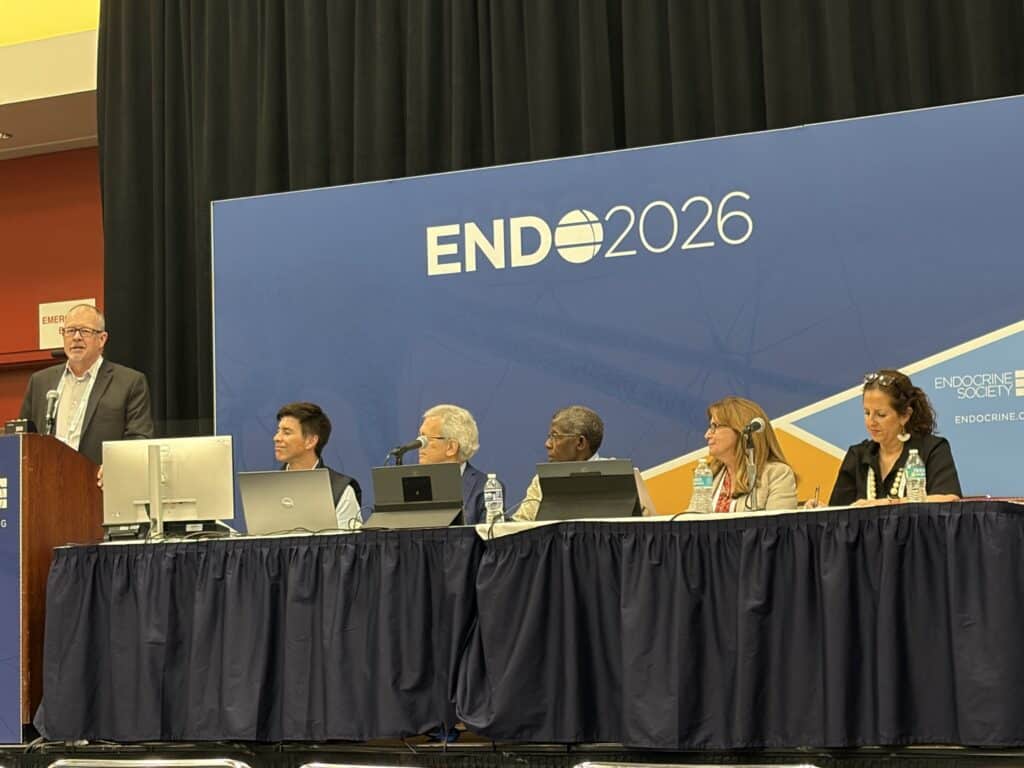
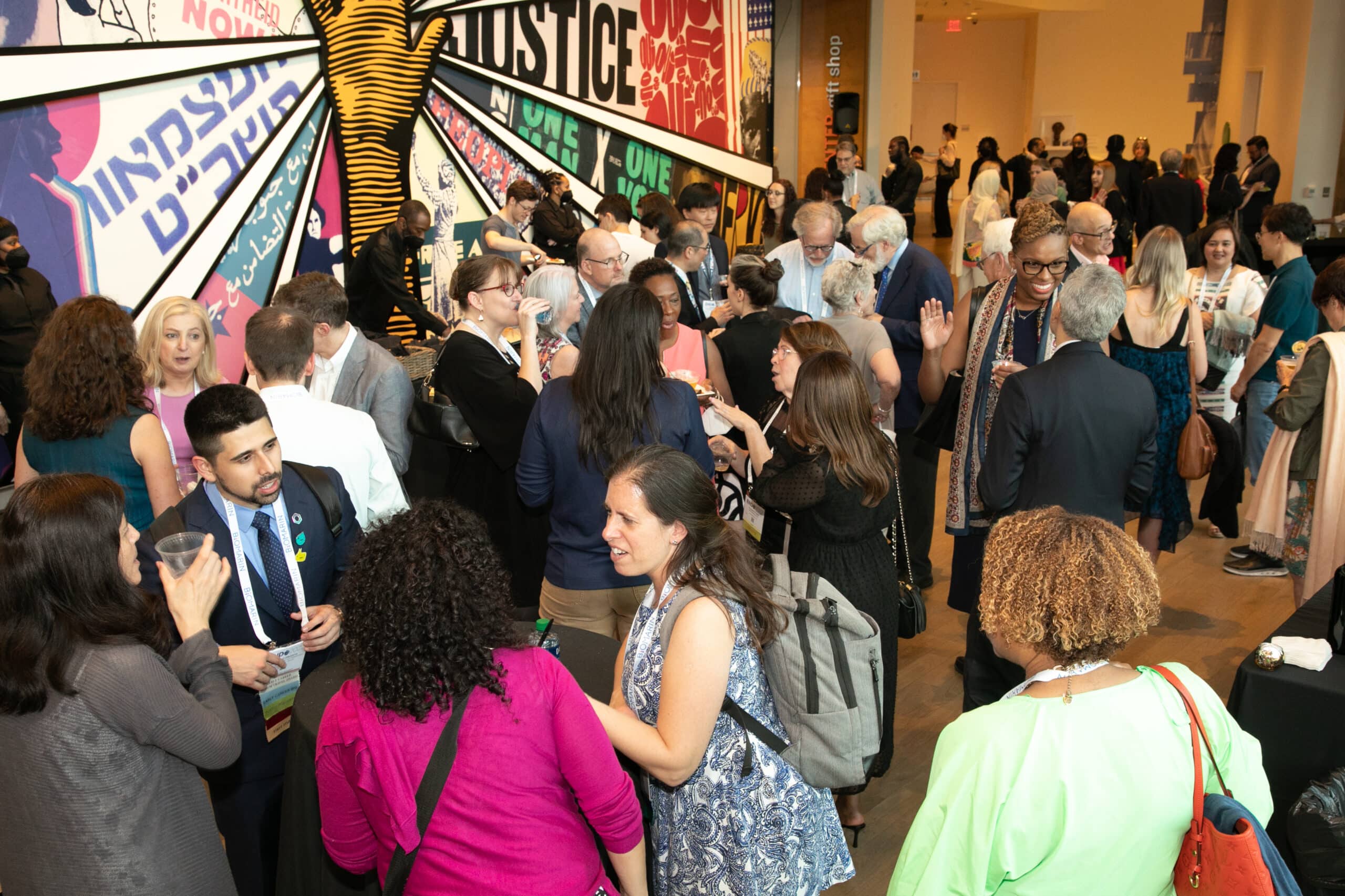
Since ENDO 2026 in Chicago is fresh in our minds, Endocrine News quizzed Endocrine Society members to see what their favorite memories of past ENDOs have been. From professional connections to new job leads, lifelong friendships, and even some unforgettable meals, ENDO is the only place to be for the international endocrinology community.
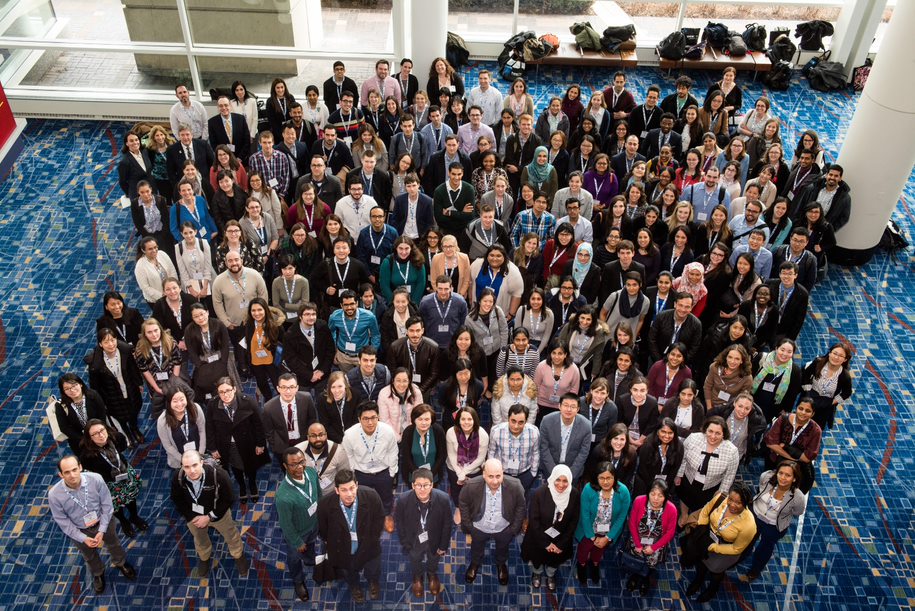
Every year, thousands of endocrinologists descend on ENDO from around the world, one thing is certain: this event will be like no other. If you’ve only attended one meeting, you know that there’s no other endocrinology-focused conference quite like it. It is the only place for clinicians and researchers in the endocrinology field to get their collective batteries charged, regardless of where they are in their careers.
“ENDO continues to be a space where science and community intersect in a powerful way. It is not just about presenting data, but about forming connections that shape the direction of your research and career,” says Antentor Othrell Hinton, Jr., PhD, Ernest E. Just Early Career Investigator; Chan Zuckerberg Initiative Science Leadership Investigator; Burroughs Wellcome Fund Career Awards at the Scientific Interface Investigator; assistant professor in the Department of Molecular Physiology and Biophysics at Vanderbilt School of Medicine Basic Sciences, Vanderbilt Diabetes Research and Training Center in Nashville, Tenn. “This would not have happened without the nominations and support from senior leaders who are always paying attention to and uplifting junior investigators. I truly appreciate the opportunity.”
In fact, many endocrinologists anticipate ENDO the same way that a child might anticipate their birthday or Christmas! Just ask Lauren Fishbein, MD, PhD, MTR, assistant professor at the University of Colorado School of Medicine in the Division of Endocrinology, Metabolism and Diabetes in Aurora: “I look forward to ENDO all year long,” she says. “What I value most are conversations with collaborators, colleagues, and friends from around the world. This networking can only occur in person at the annual meeting – a video call is not the same.”
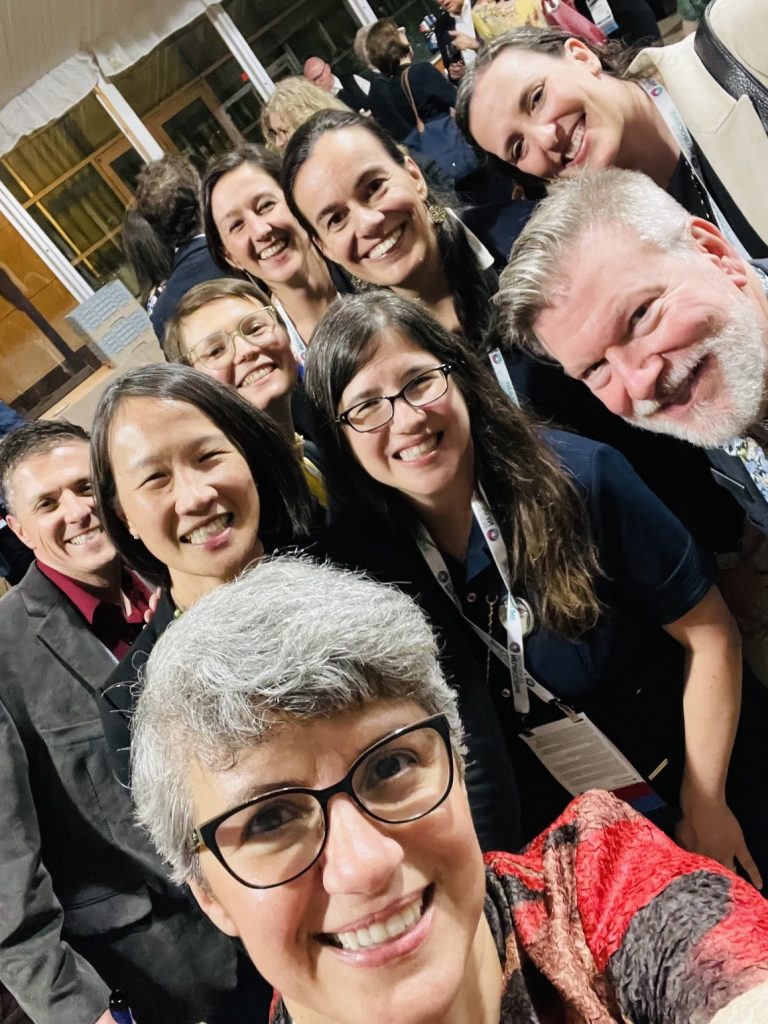
We agree! So, we decided to ask these Endocrine Society members about what ENDO memory stands out to them the most: Andrew Agabaje, PhD; Estelle M. Everett, MD, MHS; Lauren Fishbein, PhD, MTR; Andrea Gore, PhD; Antentor Othrell Hinton, Jr., PhD; Eiman Ibrahim, MD;Milay Luis Lam, MD; David Lui, PhD; Michael Morkos, MD, MS, MHI, ECNU; John Newell-Price, MD, PhD, Alicia Diaz Thomas, MD, MPH; Shehzad Topiwala MD;and Joy Y. Wu, MD, PhD.
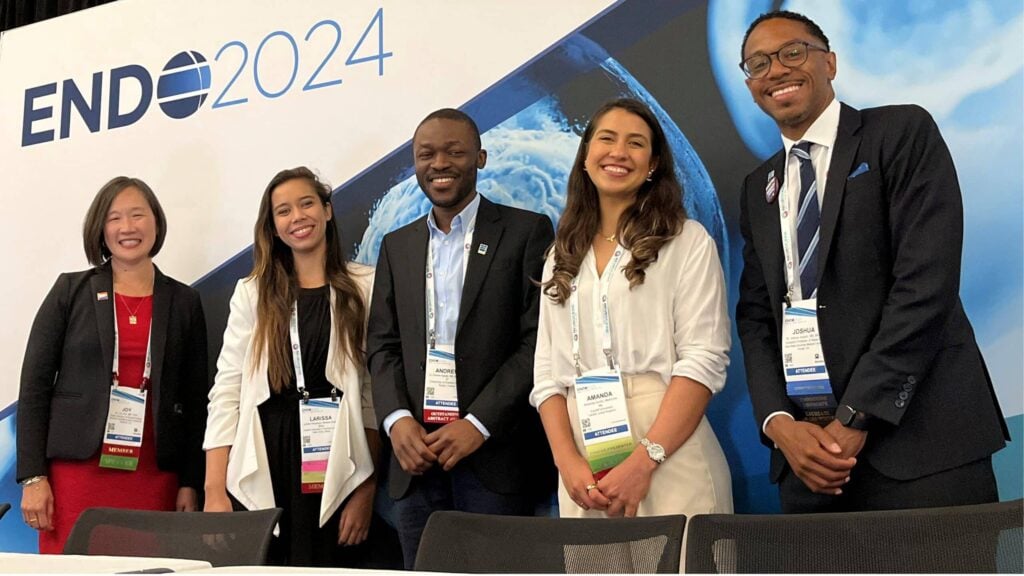
A Career Milestone at ENDO 2024
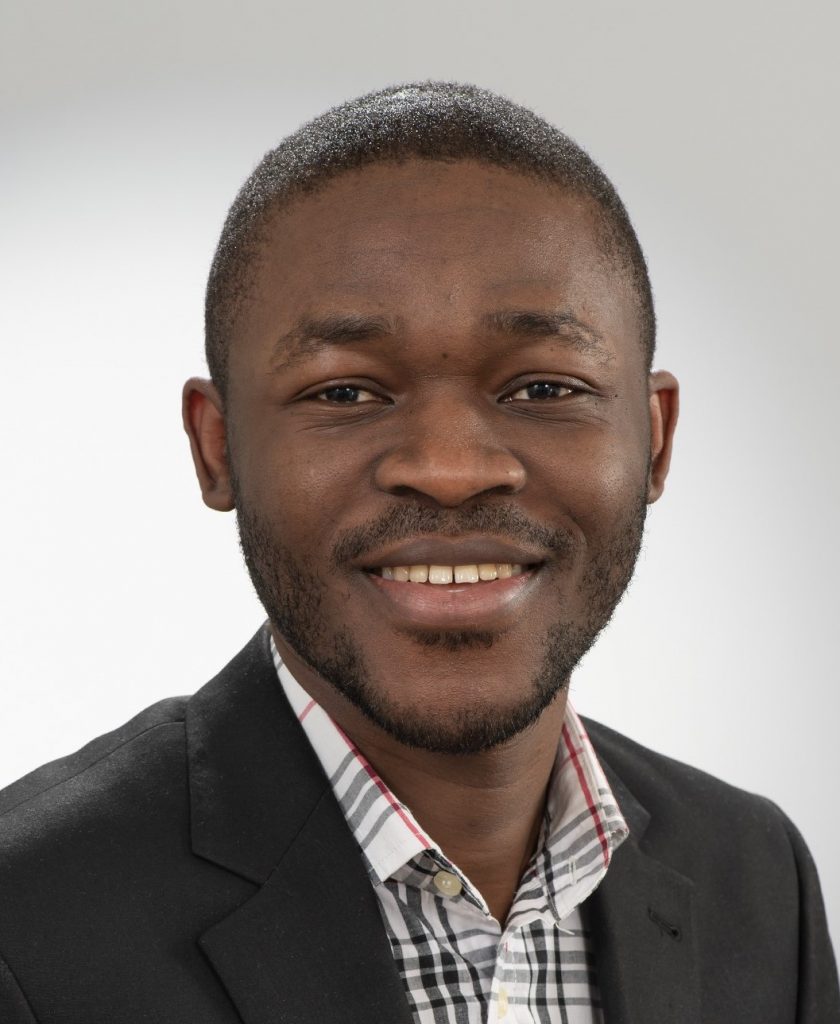
ENDO 2024 in Boston was an interesting experience, particularly because I was selected to give my first-ever press conference. I also received an outstanding abstract award for publishing the first study in the world which showed that device-measured sedentary behavior from childhood was an independent and longitudinal risk factor for liver steatosis and fibrosis assessed with transient elastography in mid-twenties.
The press conference offered an opportunity to share my research with health journalists from major news outlets like (New York Times, etc.), and the subsequent collaboration forged with the media has been incredibly helpful in disseminating my research in the last two years.
I met a colleague based in the U.S. who was invited to speak at a symposium on the last day of ENDO 2024. We discussed the possibility of a research collaboration in childhood metabolic health research and are looking forward to finalizing the project commencement soon.
My participation at ENDO 2024 also enabled networking and invitations to serve in different communities and task forces within the Endocrine Society. All these opportunities from the Endocrine Society were a significant boost to my CV and increased my chances of receiving the highly competitive inaugural Flemming Quaade Award for Innovative Approaches to Childhood Obesity research grant of $70,000 and a travel stipend to present a lecture at NUTRITION 2025 in Orlando. – Andrew O. Agbaje, MD, MPH, PhD, FACC, FESC, FAHA, FNYAM, Institute of Public Health and Clinical Nutrition, School of Medicine, Faculty of Health Sciences, University of Eastern Finland, Kuopio, Finland
Shaping an Academic Journey
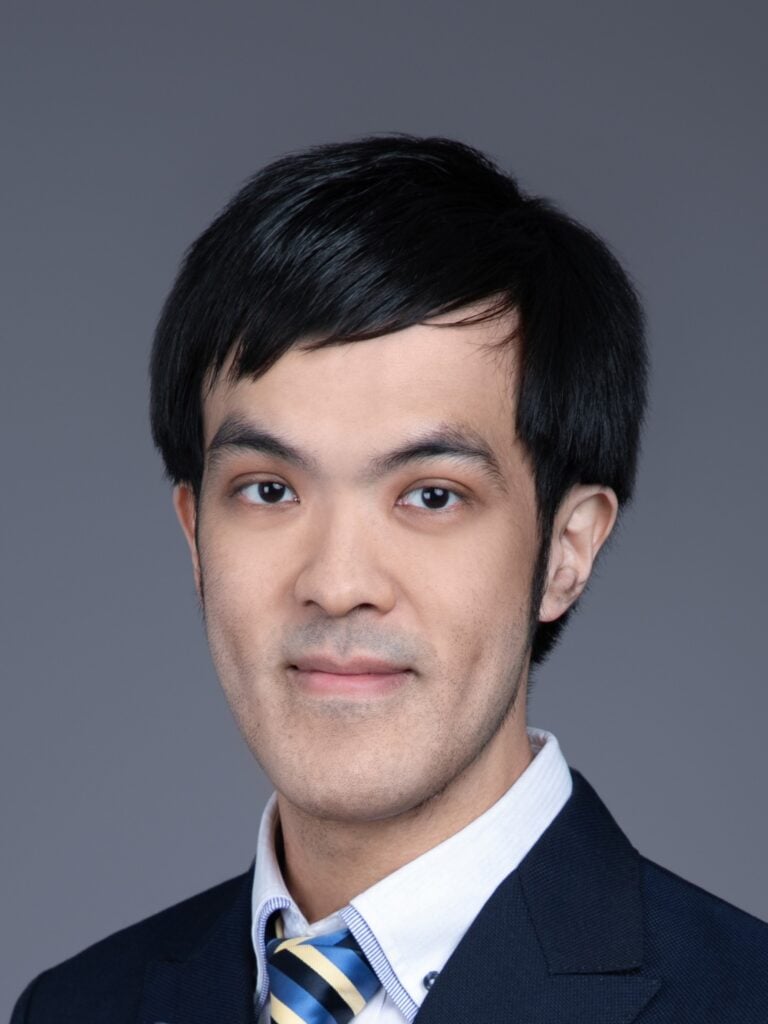
ENDO 2023 marked my first in‑person ENDO meeting and remains one of my most memorable professional experiences. I arrived expecting a rich scientific program, but I left with so much more — new connections and a deeper sense of belonging to the endocrine community.
ENDO has offered several “firsts” for me, including oral presentation and press conference at ENDO 2022, which took place virtually during the challenging time of the COVID‑19 pandemic. My first oral presentation focused on safety of COVID‑19 vaccination among patients with hypothyroidism, also highlighted in the press conference. Presenting our research to mass media was an eye‑opening experience, underscoring the importance of communicating science beyond academic circles.
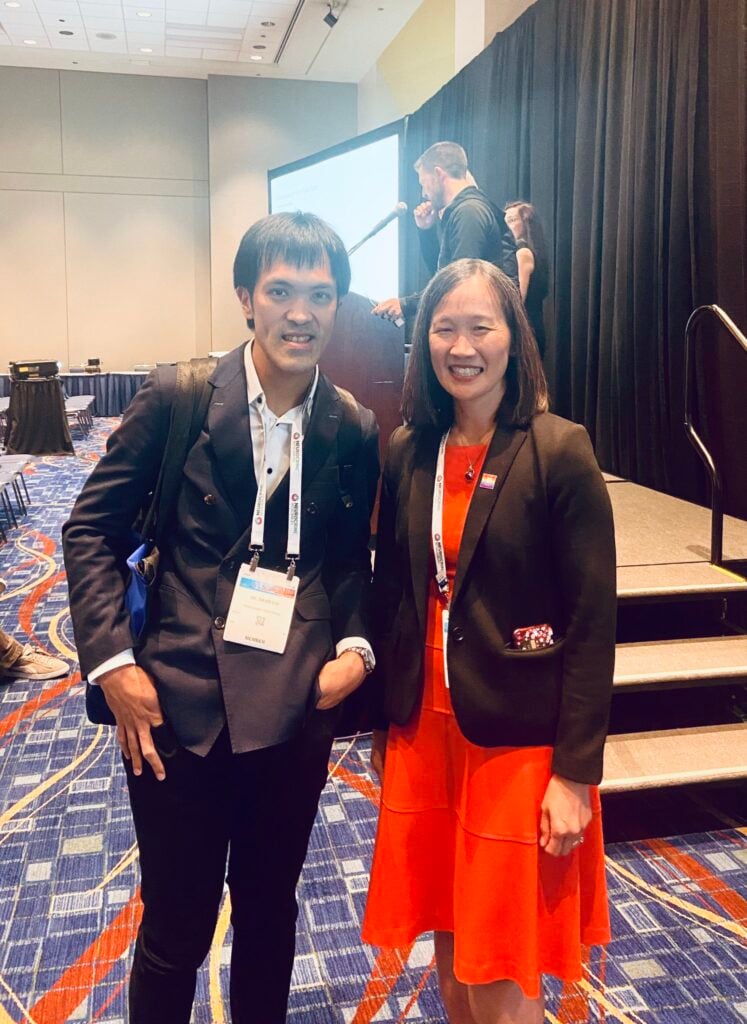
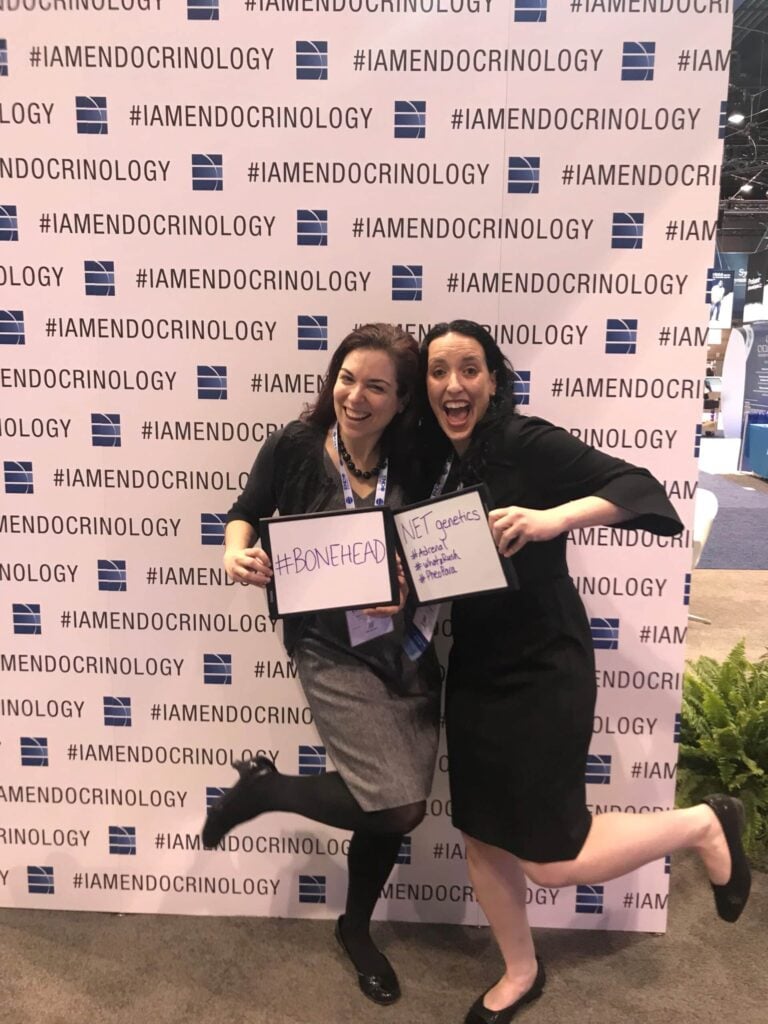
Another highlight was learning from the now Endocrine Society President‑Elect, Joy Wu, PhD. She shared insightful perspectives on how to build our professional profiles on social media platforms, using them for knowledge dissemination, and connecting with colleagues who share similar research interests. I vividly recall we first met in person when I attended her Meet the Professor session at ENDO 2023 on managing bone health in breast cancer survivors, followed by a brief discussion and a photo together. She encouraged me to leverage real‑world electronic health records to address key research questions in osteoporosis — advice that continues to shape my work on bone fragility in diabetes. We reconnected this year, three years later, when she visited the University of Hong Kong, allowing us to exchange updates in person.
At ENDO 2023, I also reunited with Jenni Gingery, Director of Communications and Media Relations of the Endocrine Society, and Mark Newman, Executive Editor of Endocrine News. Their support and collaboration have continued over the years, including in this very issue.
ENDO 2023 was not only a scientific milestone but also a formative moment in shaping my academic journey and professional community. — David Lui, PhD, Clinical Assistant Professor, Division of Endocrinology and Metabolism, Department of Medicine, School of Clinical Medicine, Li Ka Shing Faculty of Medicine, The University of Hong Kong, China
Celebrating Three Decades of Inclusion
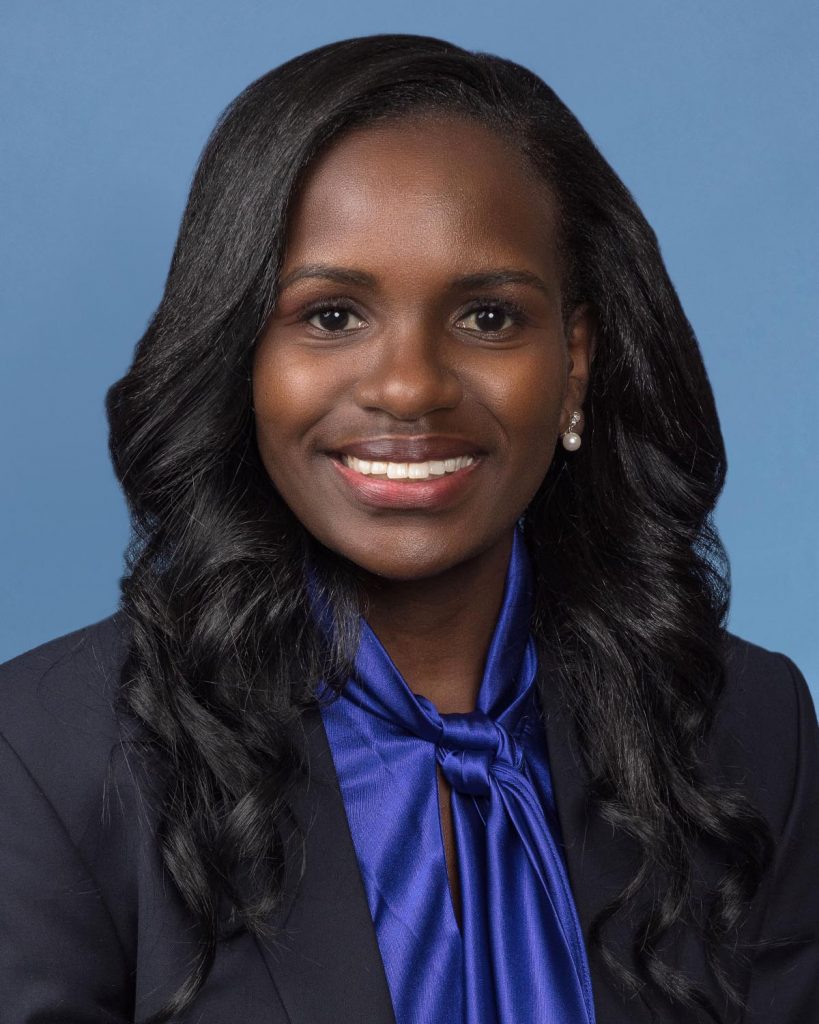
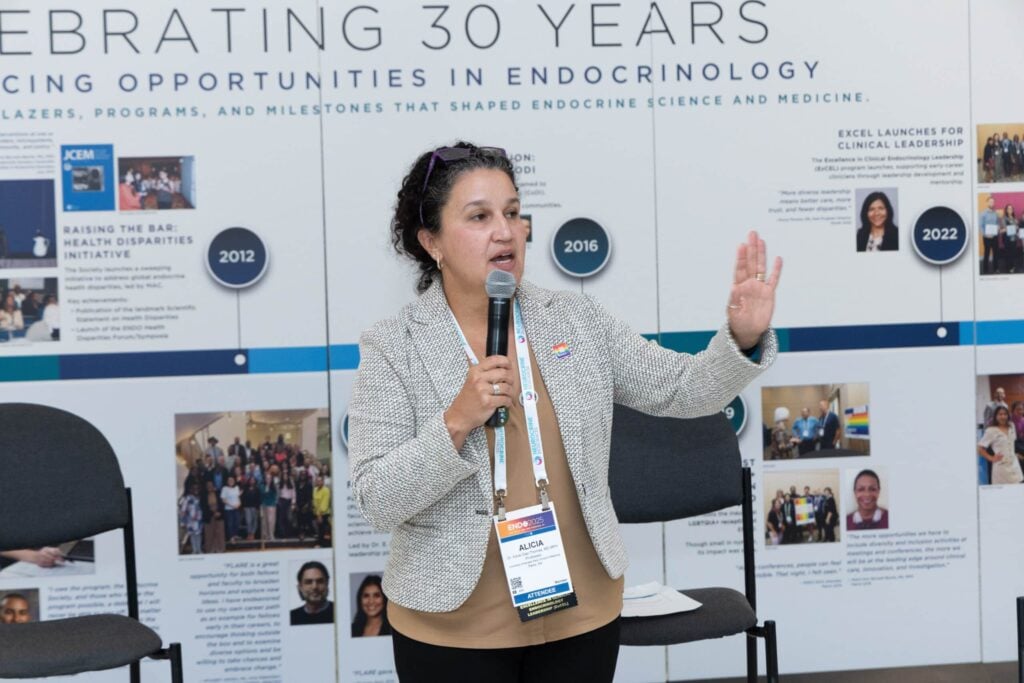
One of my most memorable ENDO experiences was the CODI (Committee on Diversity and Inclusion) 30th Anniversary Celebration and Mentoring Poster Reception at ENDO 2025. The event brought together students, trainees, early-career investigators, and senior leaders in a way that truly reflected the spirit of the Society.
The panel of guest speakers which included Endocrine Society past presidents and former CODI chairs was particularly meaningful. Hearing reflections on CODI’s 30-year journey, its role in advancing diversity, equity, and inclusion in the Society, and its tangible impact on careers and the field, offered both perspective and inspiration. Several trainees shared with me afterward that the conversations they had that evening led to new mentorship and connections.
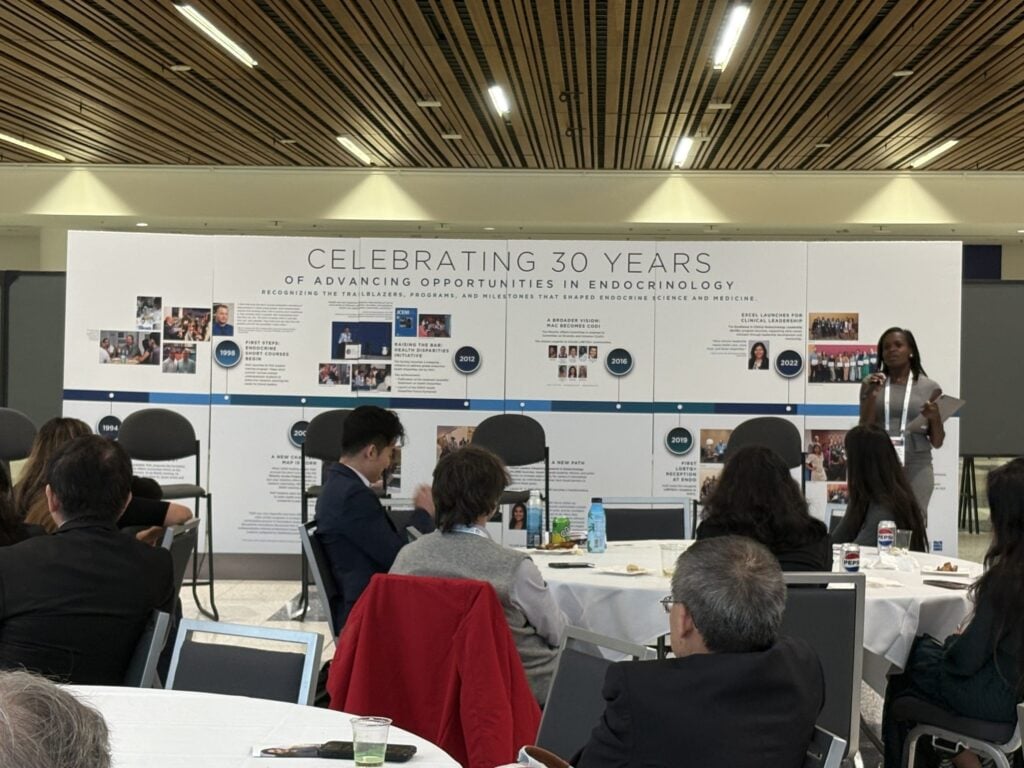
For me, the event reinforced what makes ENDO unique: it is not just a scientific meeting, but a place where community, mentorship, and opportunity intersect. The CODI anniversary celebration captured that perfectly and served as a powerful reminder of how intentional spaces can shape careers and strengthen our field. — Estelle M. Everett, MD, MHS, assistant professor, Division of Endocrinology, Diabetes, & Metabolism, Division of General Internal Medicine & Health Services Research, Department of Medicine, David Geffen School of Medicine, Los Angeles, Calif.
An Early Career Boost at ENDO 1998
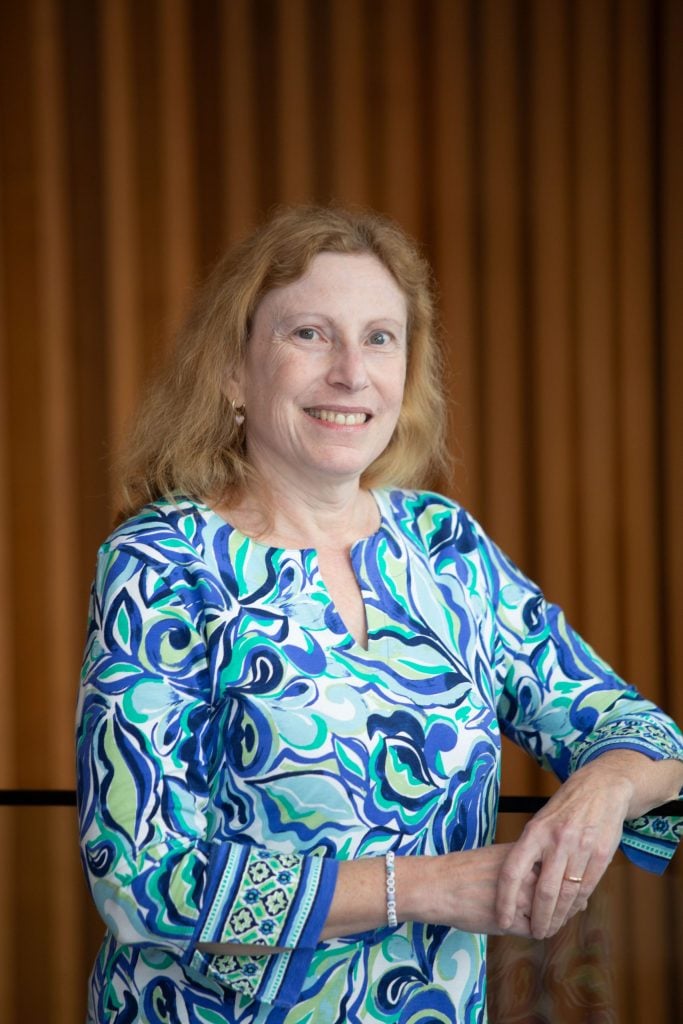
I’ve been to so many ENDOs and have so many memories, but most are only interesting to me! I think what may have been most memorable is the ENDO 1998 meeting in New Orleans, La.. I was invited to give a symposium talk on GnRH, and as a new assistant professor I was very honored but also very nervous.
The other speakers were luminaries in the field and the room was packed. Having that opportunity gave me a real boost early in my career and also made me a loyal attendee of nearly every ENDO meeting thereafter! -Andrea Gore, PhD, Vacek Chair of Pharmacology, Division of Toxicology and Pharmacology, University of Texas, Austin, Texas
Feeling Visible, Welcomed, and Supported
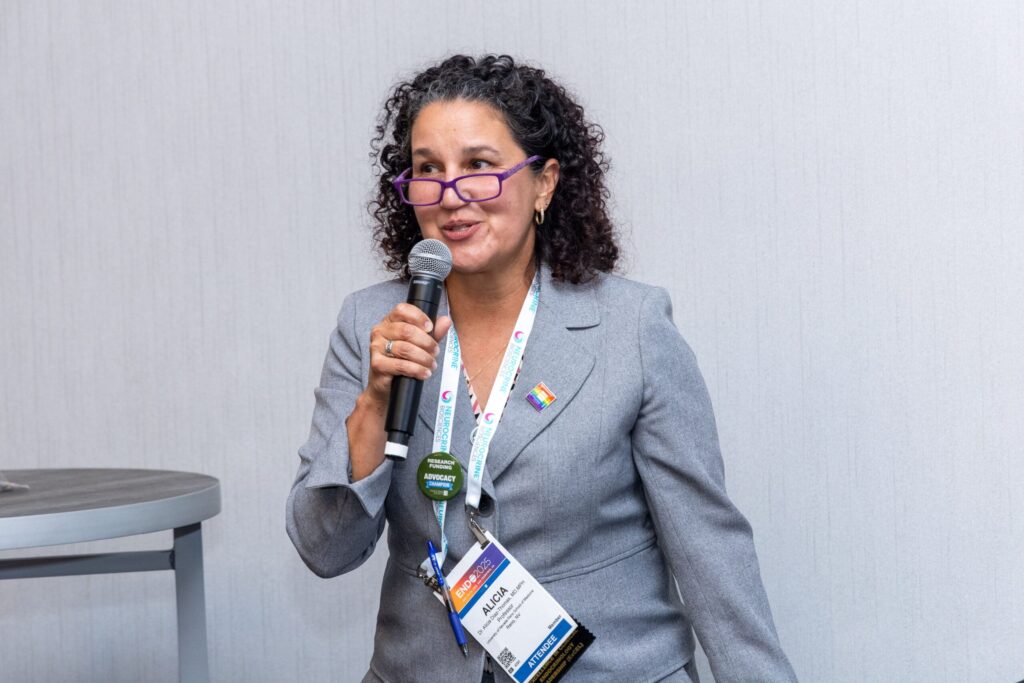
One of my most memorable ENDO meetings was my very first. As a first-year fellow in pediatric endocrinology, I was both excited and uncertain about where I belonged in a large national meeting. That year, my poster was selected, and I was introduced to what was then called the Minority Mentoring Reception. Walking into that space was transformative. I met senior faculty and mentors whose work I admired, many of whom took the time to introduce themselves, ask about my career goals, and offer genuine encouragement. For the first time at a national scientific meeting, I did not feel like an outsider looking in; I felt visible, welcomed, and supported. That experience fundamentally shaped how I approached ENDO going forward, not just as a meeting to attend, but as a professional home.
Walking into that space was transformative. I met senior faculty and mentors whose work I admired, many of whom took the time to introduce themselves, ask about my career goals, and offer genuine encouragement. For the first time at a national scientific meeting, I did not feel like an outsider looking in; I felt visible, welcomed, and supported.
My second most memorable ENDO meeting was the most recent one, which celebrated the Endocrine Society’s enduring commitment to diversity and inclusion through the 30th anniversary of CORE and its many incarnations. Seeing so many trainees and early-career faculty, Endocrine Society staff, faculty leaders, past presidents, and board members gathered together to honor this legacy was deeply meaningful. For me, it underscored how intentional efforts in mentorship and inclusion can shape careers, communities, and the future of our field. Standing in that room, I reflected on the full-circle nature of my own journey — from being mentored and uplifted at my first ENDO to helping advance those same values for the next generation. – Alicia Diaz Thomas, MD, MPH, senior associate dean, Institutional and Faculty Affairs; professor, Department of Pediatrics, University of Nevada, Reno School of Medicine, Reno, Nevada
ENDO 1998: Where Joy Wu Decided to Become an Endocrinologist
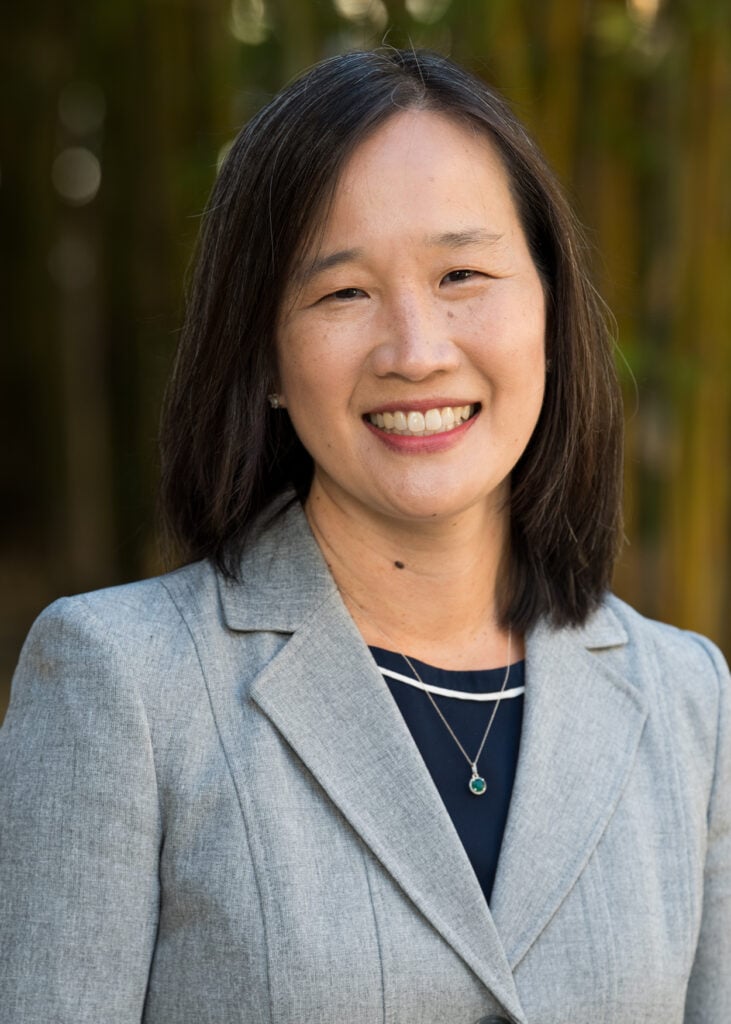
By far the most impactful ENDO in my career was my very first one! In 1998 I was an MD/PhD student at Duke in the lab of Anthony Means (who would go on to become Endocrine Society president in 2004) studying the role of calmodulin-dependent kinases in male germ cell development
At the time I wanted to become a physician scientist but hadn’t yet decided on a clinical specialty. Tony suggested that I attend the Endocrine Society meeting, which will be held in New Orleans that year, to present my thesis work. Of course I jumped at the chance to go to New Orleans!
It was a wonderful meeting, in part because I got to watch Tony receive the Fred Conrad Koch Lifetime Achievement Award, the Society’s highest honor. And at the meeting I was so inspired by the interactions between basic scientists, clinical investigators, and physicians interested in endocrinology that I decided then and there to become an endocrinologist. — Joy Y. Wu, MD, PhD, Gerald M. Reaven, MD Professor of Endocrinology; chief, Division of Endocrinology; vice chair of basic science, Department of Medicine, Stanford University School of Medicine, Stanford University, Stanford, Calif.
An Egyptian Class Reunion at ENDO 2023
ENDO 2023 will always hold a special place in my heart. At the time, I was an internal medicine resident, just beginning to seriously pursue my goal of applying to endocrinology fellowships. I attended the meeting filled with excitement, curiosity, and quiet hope about the future.
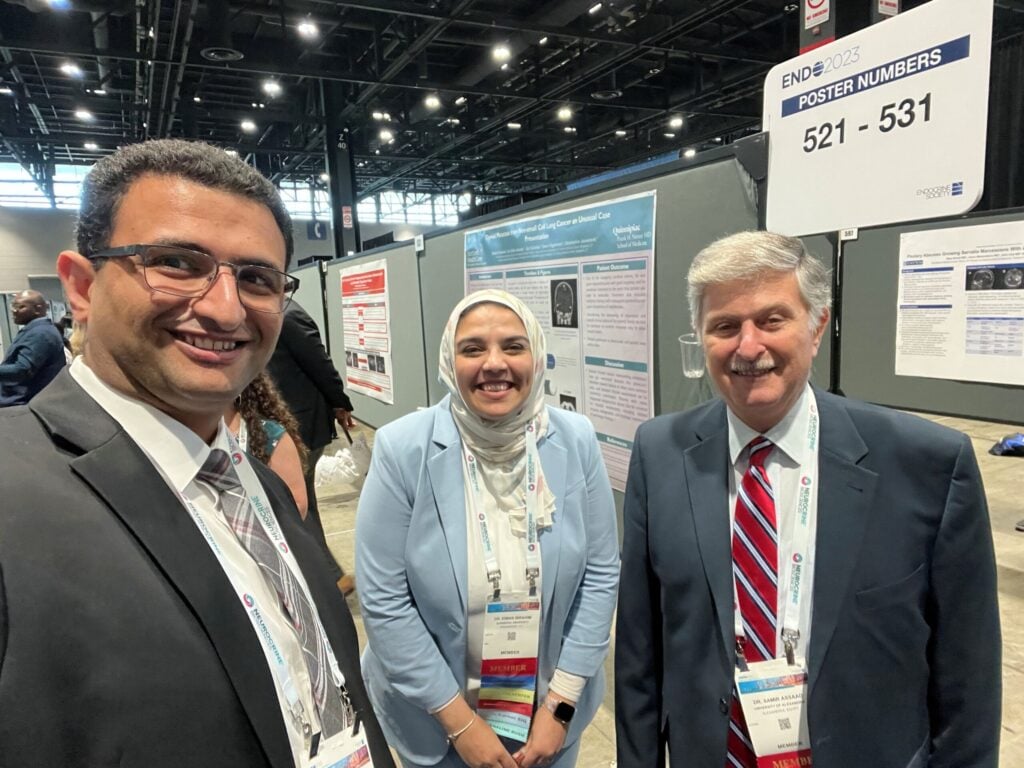
In the midst of the scientific sessions and conversations about cutting-edge research, I experienced a moment that felt deeply personal. I ran into Michael Morkos, MD, a classmate from my medical school in Egypt — someone who had already become an endocrinology attending. Seeing him there, established in the very field I aspired to join, was both surreal and inspiring. We were no longer just former classmates; we were colleagues walking parallel paths shaped by the same early foundation.
The most unforgettable moment, however, came when we both met one of our endocrinology professors from the same university in Egypt, Samir Assaad, MD, PhD. Standing together — former students now training and practicing in the United States — felt like a true full-circle moment. This professor had not only taught us endocrinology years before, but he had also supervised my master’s degree in obesity and endocrinology. He shaped the way I think about metabolism, research, and patient care.
At ENDO 2023, we were no longer students in his classroom. We were physicians shaped by his mentorship, united by the same passion he helped ignite. There was pride in his eyes, gratitude in ours, and an unspoken understanding that mentorship transcends borders, generations, and continents.
Endocrinology is not just a specialty. It is a legacy — one passed from teacher to student and carried forward with gratitude.
Now, as I near completion of my endocrinology fellowship and prepare to become an attending at the University of Missouri, I often reflect on that moment. ENDO 2023 was more than a scientific meeting — it was a reminder of where I began, the mentors who shaped me, and the community I am honored to now fully join.
It was the moment I realized that endocrinology is not just a specialty. It is a legacy — one passed from teacher to student and carried forward with gratitude. — Eiman Ibrahim, MD, MSc, second year, chief fellow, University of Missouri, Columbia, Mo.
Opening Doors to New Ideas and Collaborations
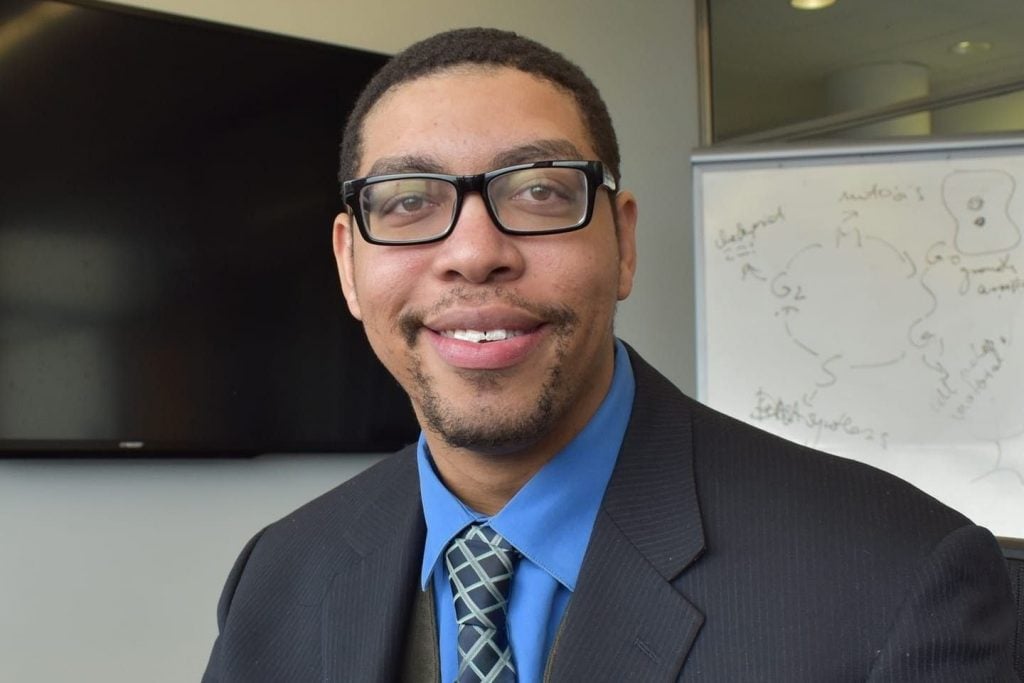
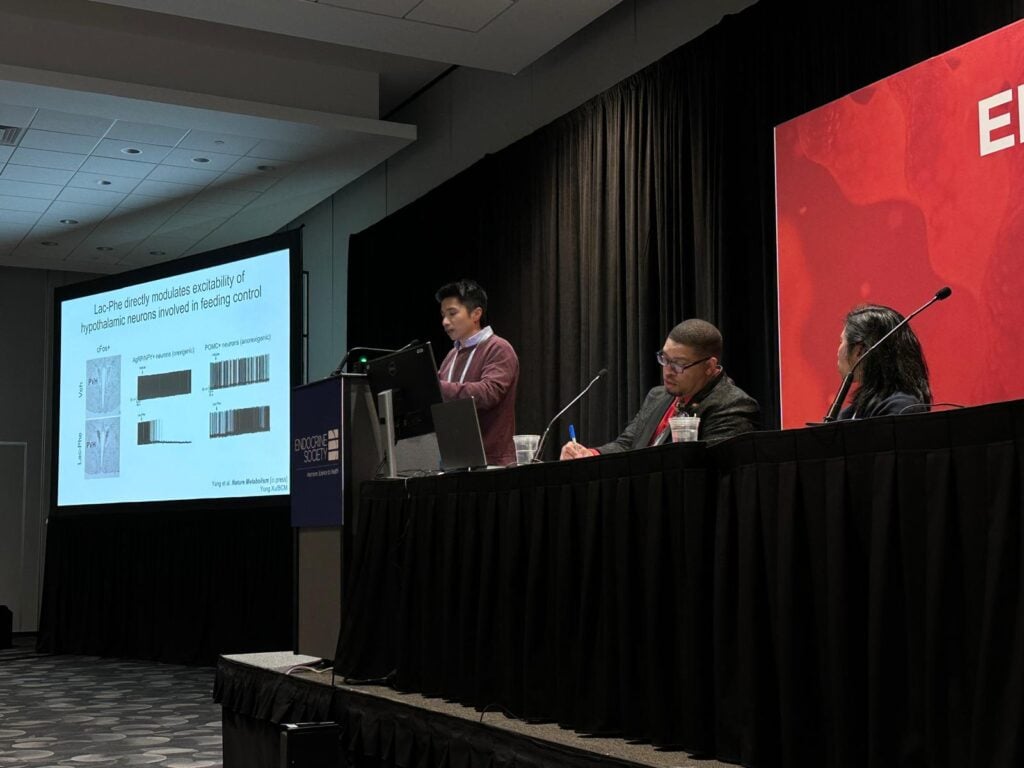
One of my most memorable ENDO experiences was at last year’s meeting in San Francisco. I had the opportunity to chair a session titled Muscle as an Endocrine Organ at the Moscone Convention Center. The session brought together an outstanding group of speakers and highlighted how skeletal muscle functions as a dynamic endocrine tissue that communicates with multiple organ systems. The energy in the room was incredible, and the discussions that followed pushed new ideas about metabolism and inter-organ communication.
What made the experience especially meaningful was the chance to connect with leaders in the field. It was truly special to be in a space where so many of the people whose work has shaped the field were present and engaged. As I often say, “These are the moments that remind you science is not just about data, it is about people, ideas, and the conversations that move everything forward.” I had the opportunity to meet several investigators whose work I have followed for years, including Dr. Jonathan Long from Stanford, whose work on Lac-Phe, a recently identified signaling metabolite involved in exercise induced signaling, has been very influential. Those conversations opened the door to new ideas and potential collaborations that I am still thinking about and building on today. – Antentor Othrell Hinton, Jr., PhD, Ernest E. Just Early Career Investigator; Chan Zuckerberg Initiative Science Leadership Investigator; Burroughs Wellcome Fund Career Awards at the Scientific Interface Investigator; assistant professor, Department of Molecular Physiology and Biophysics, Vanderbilt School of Medicine Basic Sciences, Vanderbilt Diabetes Research and Training Center, Nashville, Tenn.
Earning a “Place at the Table”
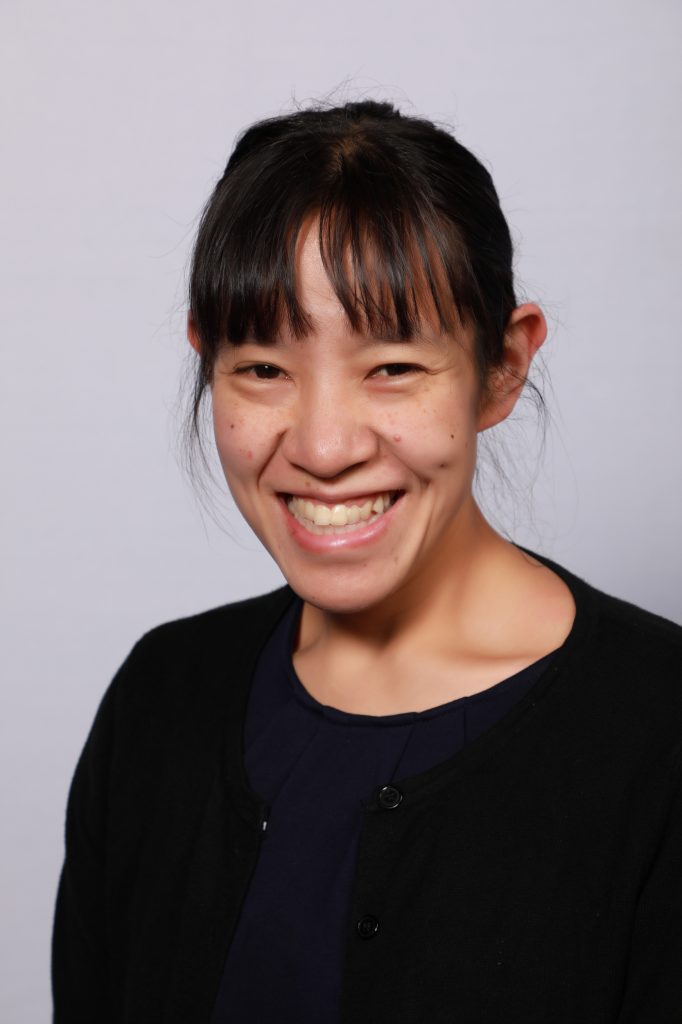
Since my days as an Internal Medicine resident (I’ll keep the exact year a secret to protect my age!), the Endocrine Society meeting has been a constant in my life. I’ve only missed a few: the year my son was born and those “blurry” years of virtual meetings during the pandemic.
Each year, I leave ENDO energized by new knowledge and the joy of reconnecting with old colleagues. Yet, alongside that excitement, I often grapple with “the imposter.” A voice whispers: Are you actually this good? Was it just luck that they invited you? Are you still relevant enough to present?
But every year, I return. I talk, I meet new people, and I watch former trainees transition into confident attendings. In doing so, I recognize my own growth. This year was a milestone: I returned to EXCEL, but this time as faculty. Was there luck involved? Definitely. But was it also the result of years of personal career growth? Absolutely.
It has been a whirlwind year, including four webinars for the Early Career Special Interest Group and a new talk at the Early Career Forum. As I head back to ENDO in a few weeks, I hope that “luck” stays by my side — but I’m starting to realize I’ve earned my place at the table. — Milay Luis Lam, MD, division chief and medical director, Meritus Endocrinology, Meritus Medical Center, Hagerstown, Md.
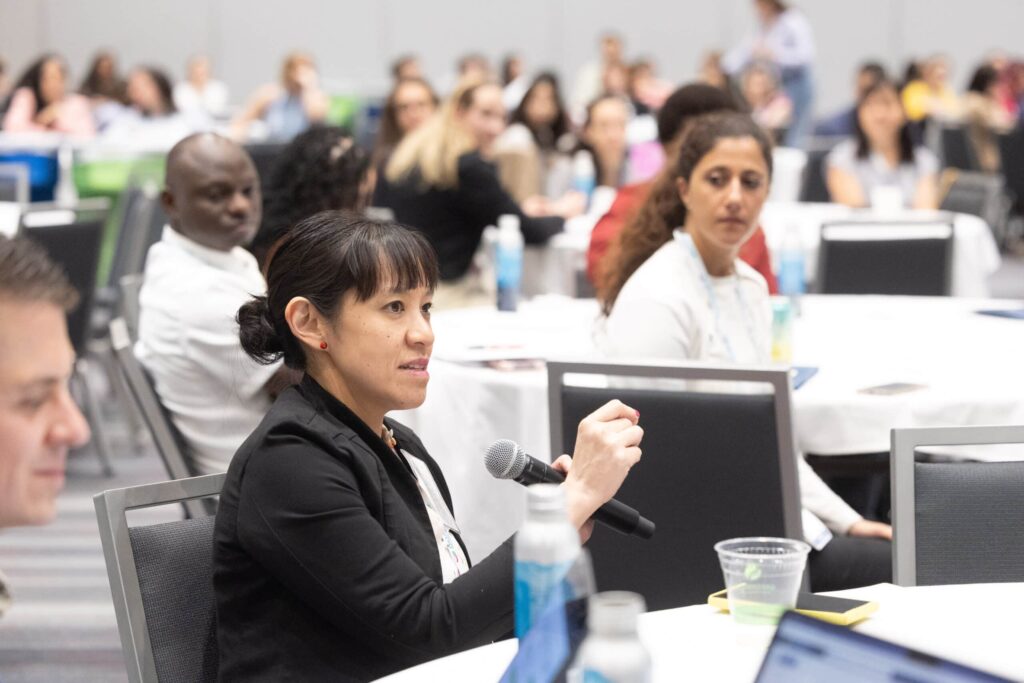
Improving Practice Through ENDO
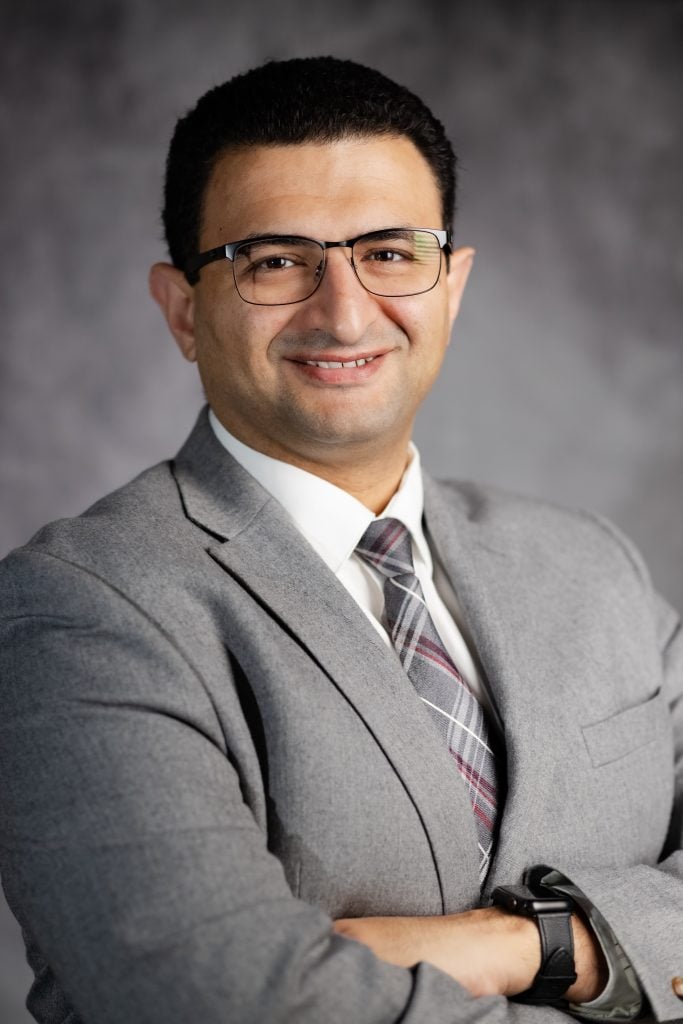
ENDO has become one of the constants I look forward to most each year. The programming is so rich that every hour presents a genuine dilemma, multiple sessions worth attending simultaneously, and I have learned to simply buy the recordings so I can listen to what I missed. But the most transformative moments have come not from the sessions themselves, but from the people in them.
At a professional development session a few years ago, I listened to a senior endocrinologist share his career journey. In the middle of his talk, almost in passing, he said something that quietly changed how I practice: that a clinical visit doesn’t need to be long. If the patient’s needs can be addressed in five minutes, there is no need to extend it. It sounds simple. But internalizing it, letting go of the habit of filling time rather than serving the patient, reshaped my approach to clinical efficiency in ways I am still discovering. We exchanged numbers after that session, stayed in touch, and he later offered invaluable guidance as I prepared my books for publication. That is the kind of connection ENDO makes possible.
In recent years, I have had the privilege of contributing back. I have spoken at the Early Career Forum on the academic-clinician pathway and at the Endo Expo on clinical efficiency and productivity, topics close to my heart. This year, I return to the ENDO Expo with an expanded session, and I could not be more excited.
ENDO has made me a better clinician, a more thoughtful academic, and part of a community I am genuinely proud to belong to. — Michael Morkos, MD, MS, MHI, ECNU, co-director, IUH Thyroid and Parathyroid Center; Associate Professor of Clinical Medicine, Department of Endocrinology, Diabetes, and Metabolism, Indiana University School of Medicine, Carmel, Ind.
An Arduous Journey to Make Mom Proud at ENDO 2007
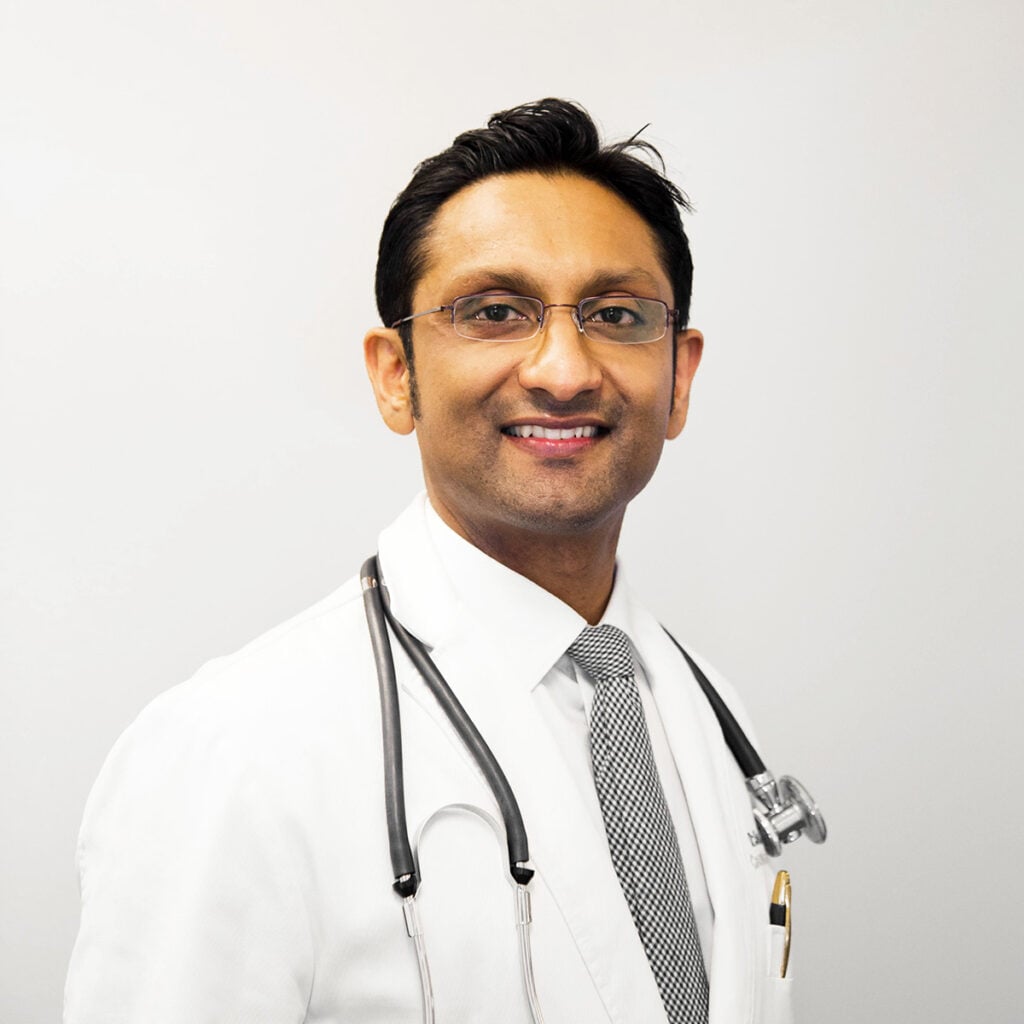
Over two decades ago, as a fresh medical graduate from Mumbai, India, I aspired to pursue a career in Endocrinology in the U.S. However, my previous U.S. visa applications had already been rejected a total of eight times between 2002 and 2006.
Then in 2007, Dr. Paresh Dandona, distinguished professor of endocrinology at State University of New York, Buffalo, graciously interacted with me at an Endocrine Conference in Mumbai. Under his mentorship, we submitted an award grant application to the Endocrine Society for the annual Endocrine Scholars Award. The theme was Hypogonadism in Type 2 Diabetes. We won!
I prayed for this exceptional chance to go to America to propel my career forward to make a living and support my family, yet deep down I was fearful of another visa denial. Dr. Dandona kindly supported my J1 Research Exchange visa paperwork, and during my nerve-wracking visa interview, the U.S. Consular officer seemed particularly delighted over the $47,000 grant from the Endocrine Society and decided to approve my visa!
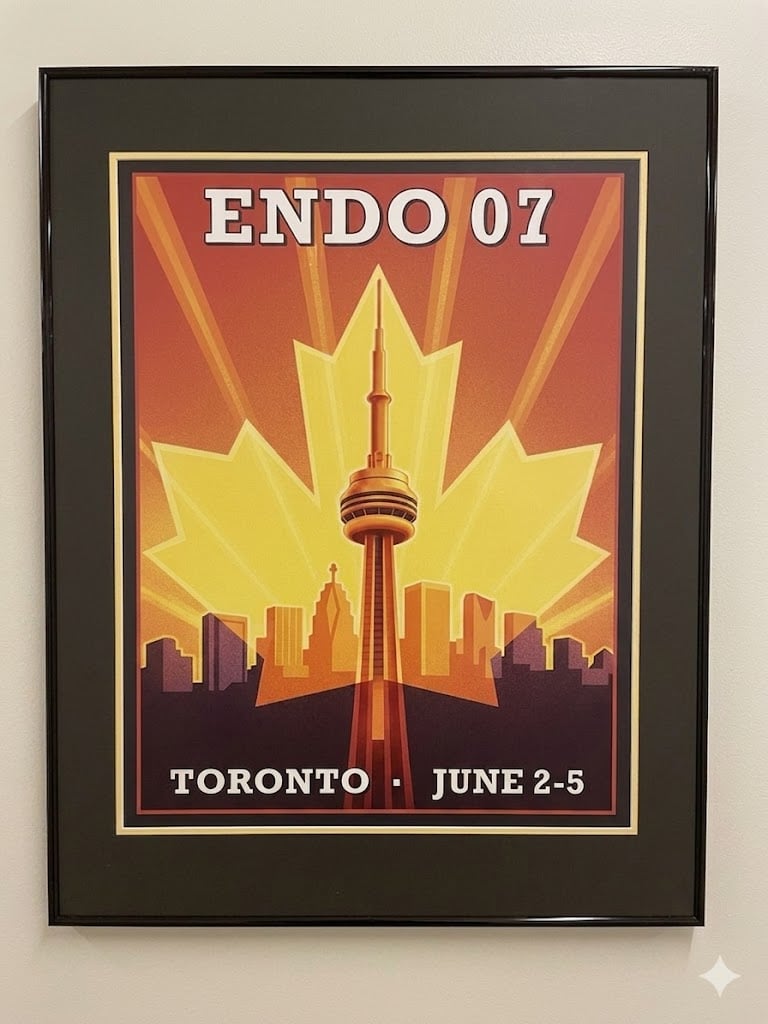
So, the award ceremony was at ENDO 2007, interestingly being held in Toronto, Canada (the only time ENDO had been held outside U.S. in the last 20 years!).* Now I had the herculean task of getting a Canadian visa next! In excitement and anxiety, I sped on my motor bike through the congested streets of Mumbai to reach the Canadian Consulate, only to realize I had forgotten my passport! I accelerated recklessly toward home to return before the consulate closed for the day, even knocking down a pedestrian on the way (fortunately, I had strong brakes)! Finally, application submitted.
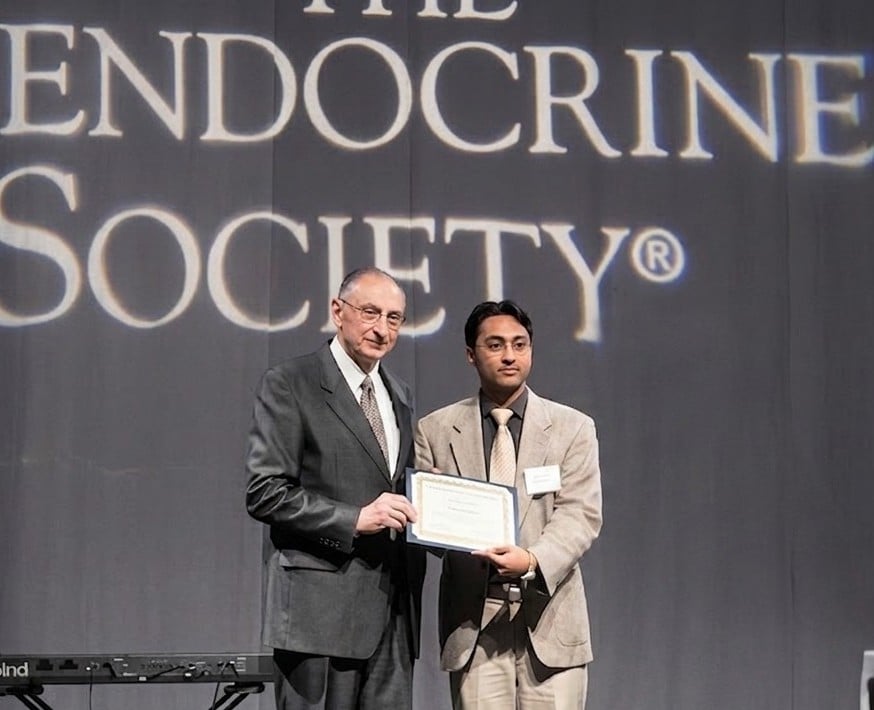
And I got my first ever Canadian visa approved. I inferred ENDO had done good networking with the Canadians. I arrived for the big day at ENDO 2007 in Toronto, on June 1 accompanied by my late mother. She witnessed the formal bestowal ceremony where the legendary Leonard Wartofsky, MD, presented me with the coveted award. During another day of the same ENDO meeting, he recognized my mom and I from a distance, as we were nervously negotiating hopping on an escalator, while he was already exiting at the top. To my mother he exclaimed, “YOU did good!” with an ebullient thumbs up! We were thrilled. Love you, Mamma! And I love you, ENDO! — Shehzad Topiwala MD, director, Institute of Endocrinology, Atlanta, Ga.
How a Hallway Chat Led to Research Funding
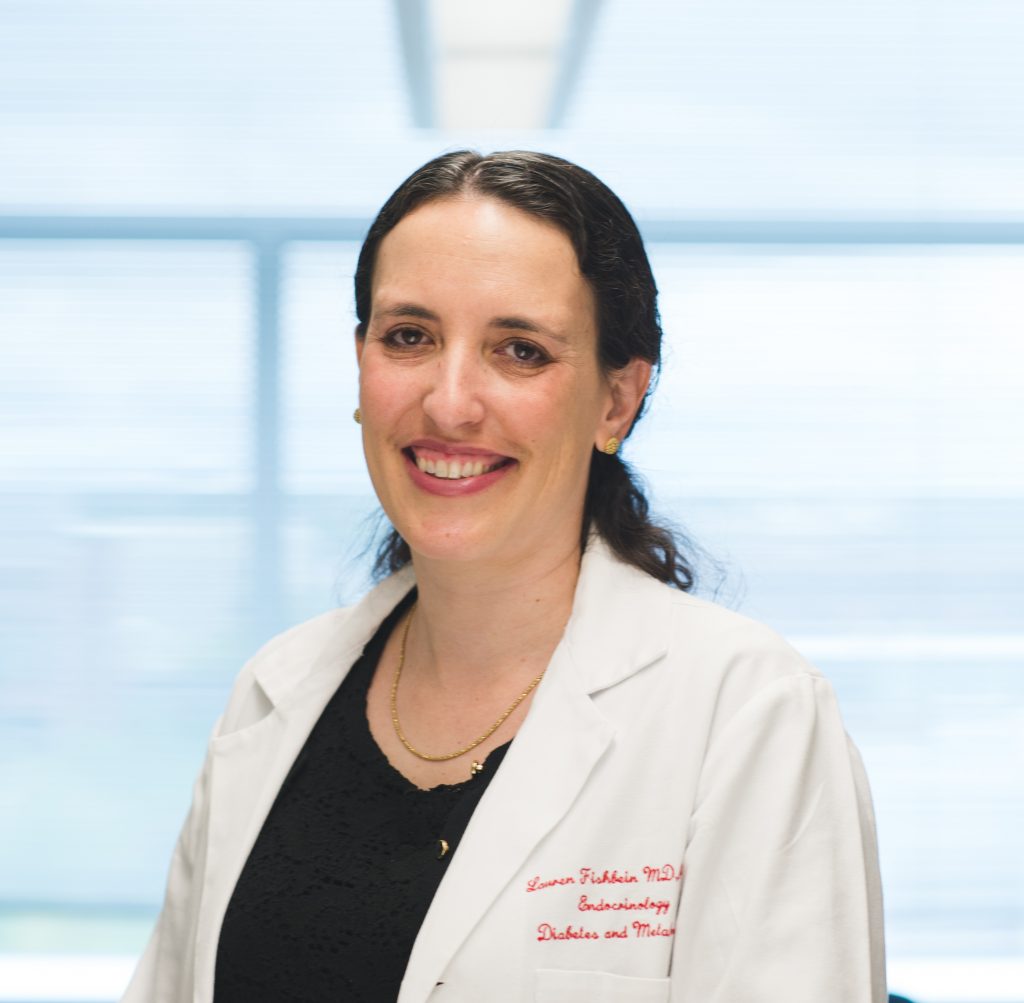
When I was a fellow and postdoc starting on the interview trail for academic physician-scientist jobs, it was the connections I made through the Endocrine Society that allowed me to reach out to leaders in the field to discuss career opportunities.
Later, my first R01 grant idea took shape through conversations held in the hallways at ENDO. A colleague told me I was not crazy to try to get this idea funded, and ultimately, it was funded! Another highlight each year is speaking with early-career scientists and physicians at their posters. Their curiosity and enthusiasm for all things endocrinology is energizing and reinforces my confidence in the future of endocrine science and medicine.
To me, ENDO is a welcoming community to hear and discuss great science and medicine and catch up with friends. – Lauren Fishbein, PhD, MTR, assistant professor in medicine at the University of Colorado School of Medicine in the Division of Endocrinology, Metabolism and Diabetes, Aurora
From a First Oral Presentation to Endocrine Society President
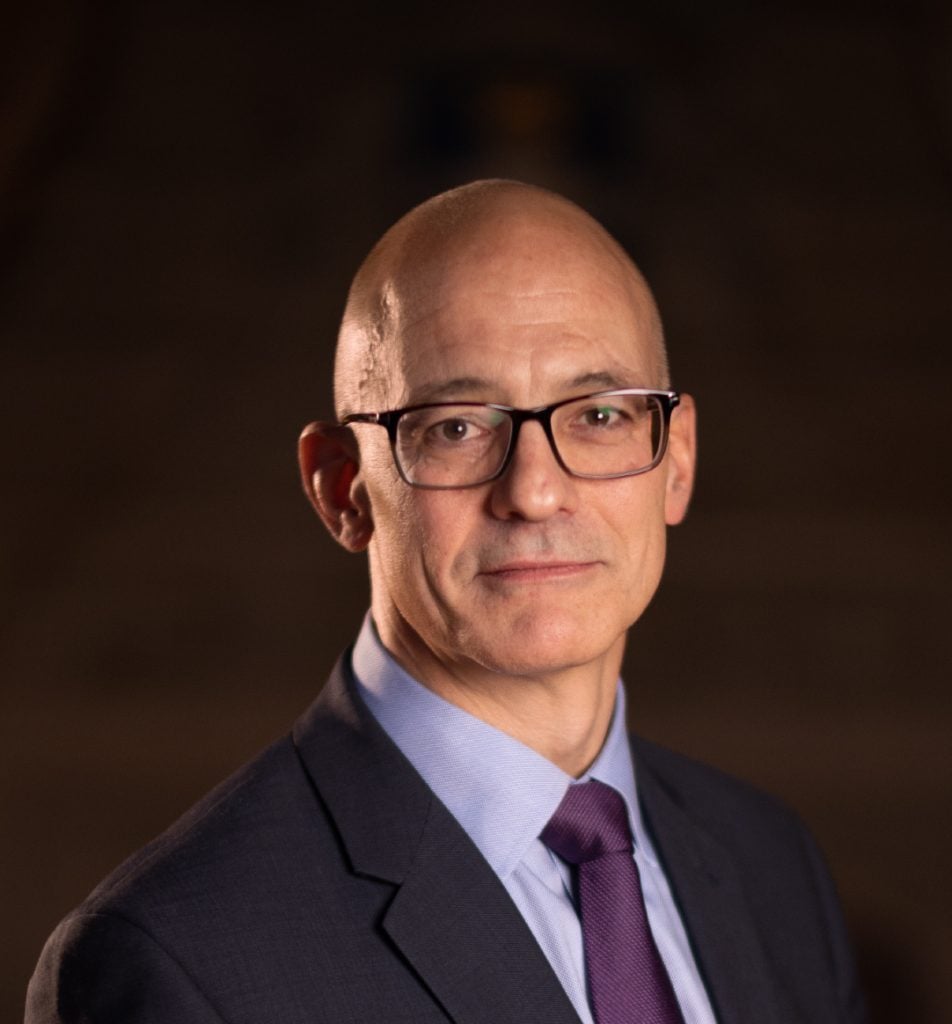
I attended my first ENDO in 1995, and I was blown away by the sheer size and scale of the meeting – I had never witnessed anything like it. I was giving my first oral communication as a junior fellow and as I approached the podium my palms were sweaty and I was simply terrified! I shouldn’t have been, as I was greeted with incisive yet supportive questioning and much interest. This, and the whole experience of ENDO, from the huge poster sessions to the incredible plenaries, other symposia talks, and the Meet the Professor sessions really cemented the fact that this was the meeting and society for me!
Thirty years later in 2025 and I find myself in the improbable position of being president of the Society and introducing yet another fabulous ENDO meeting in San Francisco. I am hugely proud of all the work that the wonderful Annual Meeting Steering Committee, its chairs, and all the staff did to bring the meeting to fruition. ENDO 2025 took place in a very different world, one where fear and uncertainty predominated, and yet one where a palpable sense of collegiality, warmth and ‘family’ pervaded the whole event. One notable, but simple illustration of this was the almost deafening ‘hubbub’ of ongoing conversations from crowds of people in the public areas and escalators, especially when travelling between sessions – the endocrine community sharing, connecting and flourishing! – John Newell-Price, PhD, Endocrine Society Past-President; Clinical Research Director, Sheffield Teaching Hospitals NHS Foundation Trust, Sheffield, U.K.
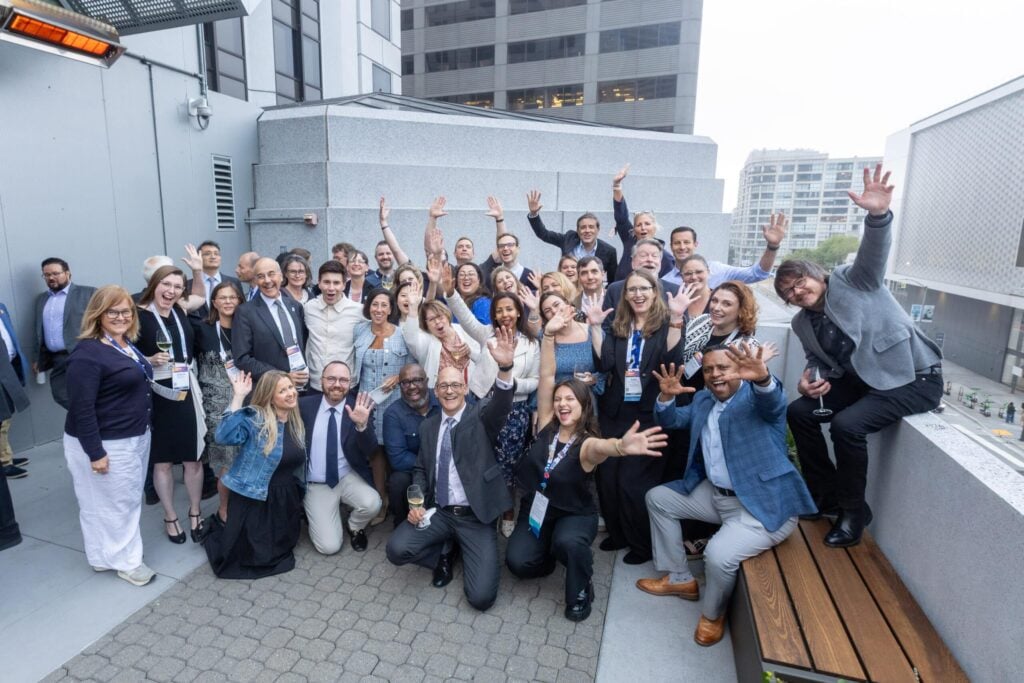
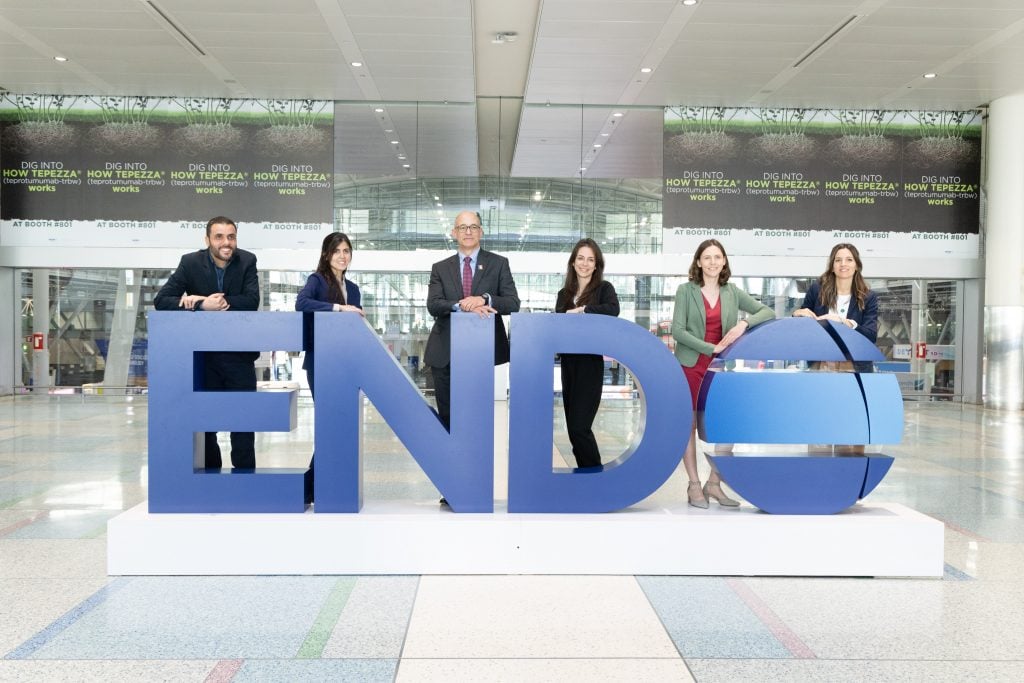
Lives changed. Destinies decided. Friendships launched. Collaborations created. All thanks to simply attending ENDO. No doubt history was made numerous times throughout the session rooms, hallways, and the exhibition floor of McCormick Place in Chicago this month.
*EDITOR’S NOTE: For the first time since 2007, ENDO 2027 will be held in Toronto, Canada, once more June 5 – 8, 2027.