

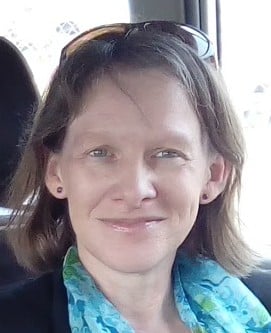
Endocrine News speaks with Rebecca Reynolds, MD, PhD, the Endocrine Society’s 2026 International Excellence in Endocrinology Laureate Award, about why so much of women’s health begins in pregnancy as well as the many unanswered questions about fetal growth.
The earliest stages of life can shape health for decades, and Rebecca Reynolds, MD, PhD, has dedicated her career to understanding why. Her discoveries have transformed how scientists and clinicians view pregnancy and metabolic health, and in recognition of her groundbreaking contributions, the Endocrine Society has named her one of its distinguished 2026 Laureates and awarded her the International Excellence Award.
Reynolds serves as Personal Chair of Metabolic Medicine and Dean International at the University of Edinburgh’s College of Medicine and Veterinary Medicine. Her research has transformed our understanding of how endocrine pathways influence both maternal and child health. By uncovering the cardiometabolic risks associated with obesity in pregnancy, she has not only advanced scientific knowledge but also translated those discoveries into clinical trials and practical therapies — directly improving outcomes for mothers and babies.
Her impact extends far beyond the laboratory. Reynolds’ work has shaped international medical policy and clinical care, informing major guidelines such as those from the Royal College of Obstetricians and Gynaecologists, the Scottish Diabetes Prevention Programme, and the Obstetric Ultrasound Guideline, Malawi 2021. Through her leadership, research, and commitment to women’s health, Reynolds continues to influence practice worldwide — helping ensure healthier futures for mothers and their children.
“Rebecca’s work has significant impact for women and children’s healthcare, particularly benefiting those living with poor healthcare infrastructure and challenging socioeconomic circumstances,” wrote professor Ruth Andrew, PhD, chair of Pharmaceutical Endocrinology and director Edinburgh CRF MS Core, in her nomination of Reynolds for the Laureate Award.
“Women represent half the population, yet we know that research in women’s health is underfunded and evidence lags behind health research in men. Pregnancy is such an important time for women, acting as a ‘stress test’ to reveal potential longer term health risks and also identifying shorter term risks for the child.” — Rebecca Reynolds, MD, PhD, Personal Chair of Metabolic Medicine and Dean International at the University of Edinburgh’s College of Medicine and Veterinary Medicine, Edinburgh, UK
Endocrine News spoke with Reynolds to learn more about what inspired her to pursue her area of research and what she hopes to be the short- and long-term impact of her research.
Endocrine News: Congratulations on being named the recipient of the International Excellence Award. What did news of the recognition of mean to you?
Reynolds: This was truly surprising news to me. I’m extremely grateful to those who nominated me and have supported me over the years. The award would not be possible without all the amazing people and patients that I have worked with.
EN: Your work has been a major contribution to improving pregnancy outcomes. What impact do you hope your work will have for women in the short and long term?
Reynolds: Women represent half the population, yet we know that research in women’s health is underfunded and evidence lags behind health research in men. Pregnancy is such an important time for women, acting as a “stress test” to reveal potential longer term health risks and also identifying shorter term risks for the child. Better understanding of pregnancy complications opens up a real opportunity to better improve the health of women, their children, and future generations.
EN: What inspired you to pursue your current area of research?
Reynolds: When doing my PhD, I was fascinated to find out more about how and why long- term health outcomes could be influenced by events occurring in utero. Pregnancy is particularly interesting for endocrinology due to the major changes that occur in physiology and the accompanying dramatic hormonal changes. There are still many unanswered questions about human pregnancy and fetal growth. It is an exciting and challenging area to work in as for every question we ask, we need to consider the consequences for both mother and child.
EN: Science can be all-consuming. What’s your favorite way to unplug when you step away from the bench?
Reynolds: I am an Iyengar yoga teacher and practitioner. I am also a keen hillwalker and love to get out into the beautiful Scottish countryside. I’ve nearly “bagged” all of the 282 Munro across Scotland. These are mountains 3,000 feet (914.4 meters) or more. Both yoga and walking are refreshing and energizing and sometimes I get my best ideas when I’m out walking.
“There are still many unanswered questions about human pregnancy and fetal growth. It is an exciting and challenging area to work in as for every question we ask, we need to consider the consequences for both mother and child.” — Rebecca Reynolds, MD, PhD, Personal Chair of Metabolic Medicine and Dean International at the University of Edinburgh’s College of Medicine and Veterinary Medicine, Edinburgh, UK
EN: What are you most looking forward to when you attend ENDO 2026 to accept your Laureate award.
Reynolds: The conference is a great opportunity to meet old and new friends as well as hear about the latest highlights in endocrine clinical and basic research and I’m looking forward to it.
- Shaw is a freelance writer based in Carmel, IND. She is a regular contributor to Endocrine News and writes the monthly Laboratory Notes column.
 Loading ...