

The Endocrine Society is proud of its many distinguished members who lead the global endocrine community by advancing scientific knowledge, providing exemplary care, teaching the next generation of endocrinologists, and improving human health worldwide.
For more than 80 years, the Society has recognized the achievements of its members with the annual Laurate Awards. Established in 1944, the awards recognize the field’s highest accomplishments in areas of research, service, leadership, mentorship, innovation, international contributions, education, translation of bench to bedside, and lifetime achievement.
Laureate winners represent all stages of the profession, from those at the pinnacle of the field to young endocrinologists just starting their careers.
In the following pages, you can learn about our 2026 Laureates. We’ve also asked them to describe how the Endocrine Society has helped shape their careers as well as what advice they have for those aspiring, early-career endocrinologists.
The winners will be recognized at ENDO 2026 in Chicago, Illinois, June 13-16, 2026.
Robert M. Carey, MD, MACP
Fred Conrad Koch Lifetime Achievement Award
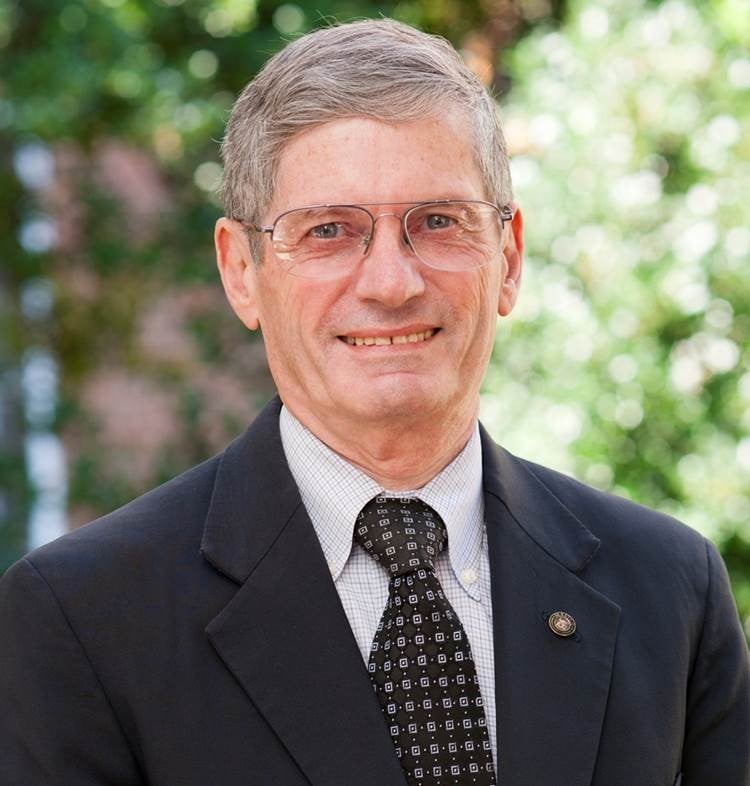
The Society’s highest honor, this annual award recognizes lifetime achievements and exceptional contributions to the field of endocrinology.
Rober. M. Carey, MD, MACP, is Professor of Medicine and Dean Emeritus at the University of Virginia School of Medicine in Charlottesville, Va.
A world-renowned clinical endocrinologist and leader in cardiovascular endocrinology, Carey received the Endocrine Society’s highest honor this year in recognition of his leadership in clinical hypertension, which includes a long career treating patients, conducting groundbreaking research, and enhancing our understanding of hormonal control of blood pressure.
Among his many contributions and accomplishments to the field, he has co-authored two Endocrine Society clinical practice guidelines on primary aldosteronism, served as vice-chair of the 2017 American College of Cardiology (ACC)/American Heart Association (AHA) hypertension guideline writing committee, and chair of the 2018 AHA scientific statement on resistant hypertension.
Carey was Dean of the University of Virginia School of Medicine from 1986 to 2002. At the conclusion of his 16-year deanship, he received the Thomas Jefferson Award, the highest honor at the University of Virginia, for transforming academic medicine at the university.
An active and long-time member of the Endocrine Society, Carey has served on many committees and task forces. He was president of the Society in 2008 and is a past recipient of the Distinguished Physician Award and the Outstanding Leadership Award. He is currently a member of the Society’s Primary Aldosteronism Guideline Development Panel.
From Nominations:
“Bob Carey is a leader in the hormonal control of blood pressure (BP) and hypertension; he has made major contributions to our understanding of the renin-angiotensin system (RAS), the renal dopaminergic system, and mechanisms of pressure-natriuresis. His studies encompass a combination of cellular and molecular approaches, in vivo animal experiments, and patient-oriented clinical investigation…
“Bob has devoted his life to biomedical research in the hormonal control of blood pressure and service to academic medicine. His contributions to the hormonal control of BP and hypertension are widely recognized. He is most deserving of the Fred Conrad Koch Award.” – William F. Young, Jr., MD, MSc, Tyson Family Endocrinology Clinical Professor; Professor of Medicine, Mayo Clinic College of Medicine and Science; Division of Endocrinology, Diabetes, Metabolism and Nutrition
Christopher Kevin Glass, MD, PhD
Edwin B. Astwood Award for Outstanding Research in Basic Science
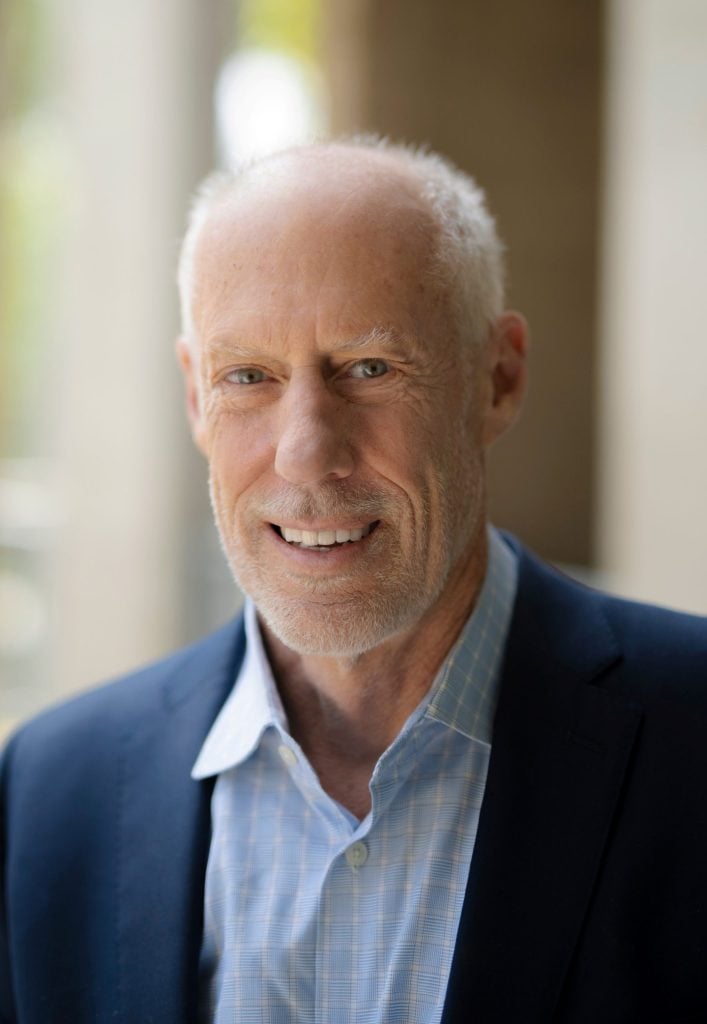
Originally awarded from 1967 and renamed to honor the scientific contributions of the late Dr. Edwin B. Astwood, this award recognizes individuals who have made significant contributions to the field of endocrinology via their outstanding basic science research.
Christopher Kevin Glass, MD, PhD, is Professor of Cellular and Molecular Medicine, and Professor of Medicine at the University of California San Diego.
He is recognized for his novel research that uncovered how nuclear hormone receptors and other signal-dependent transcription factors regulate the development and functions of macrophages, which play key roles in immune responses and are major contributors to nearly all chronic diseases.
His findings provided evidence that therapeutic targeting of macrophages could inhibit the development of atherosclerosis independent of changes in circulating cholesterol levels.
Glass has received many honors and awards, including the Endocrine Society’s Ernst Oppenheimer Award, the NIH Director’s Transformative R01 Award, and the Grand Prix Scientifique, Fondation LefoulonDelalande, Institute de France.
As a longtime member of the Endocrine Society, Glass served as chair of the NIH Endocrinology Study Section (2002-2004), and as a member and chair (2022) of the Endocrine Society Laureate Award Committee. Glass also is an elected member of the American Society for Clinical Investigation, the Association of American Physicians, the National Academy of Medicine, and the National Academy of Sciences.
From Nominations:
“Dr. Glass is an endocrinologist and physician-scientist who has discovered transcriptional mechanisms that specify macrophage identities and regulate inflammation in endocrine, metabolic and neurodegenerative diseases. His work has established diverse anti-inflammatory actions of nuclear hormone receptors, explained how broadly expressed transcription factors exert cell-specific functions, and revealed how different tissue environments induce distinct macrophage phenotypes…
“In summary, Chris Glass is a global leader in the fields of nuclear hormone receptors, lipid metabolism, and inflammation, and a truly outstanding candidate for the 2025 Edwin B. Astwood Award for Outstanding Research in Basic Science.” – Mitchell A. Lazar, MD, PhD, Willard and Rhoda Ware Professor in Diabetes and Metabolic Diseases; Director, Institute for Diabetes, Obesity, and Metabolism, University of Pennsylvania Perelman School of Medicine
How has the Endocrine Society supported your professional development/career journey?
The Endocrine Society and the NIDDK were the two intertwined organizations that gave me critical boosts both at the very beginning and at mid-career. I benefitted tremendously from leadership of the Endocrine Society for career guidance. If I were to single out one individual who exemplified the values of the Endocrine Society and made the biggest difference to me beyond my individual PhD and post-doctoral mentors, it would be Bert O’Malley. Bert gave me ‘tough love’ at key points and was a constant supporter. I was greatly saddened to learn of his passing this year and he will be in my thoughts when I receive the Astwood Award at the 2026 meeting.
As a Laureate Award recipient, do you have any advice for those just beginning their careers?
My advice to people just starting independent careers is to first define the set of significant biological problems that they could be passionate about and that have the potential to be solved in a five to 10-year time frame. Second, intersect that set of problems with areas of unmet medical need. Third, intersect this overlapping set of problems with plausible sources of funding. You can’t do science without funding, and picking significant biological problems that link to unmet medical need is the best chance to get funding in the current climate.
Rebecca Reynolds, MD, PhD
International Excellence in Endocrinology Award
This award is presented to an endocrinologist who has made exceptional contributions to the field in geographic areas with underdeveloped resources for hormone health research, education, clinical practice or administration.
Rebecca Reynolds, MD, PhD, is Personal Chair of Metabolic Medicine and Dean International at the College of Medicine and Veterinary Medicine, University of Edinburgh in Edinburgh, United Kingdom.
Reynolds’ research focuses on women’s health in pregnancy, as well as the health of next and future generations, with a particular focus on low- and middle-income countries (LMICs).
As a physician scientist, her research has given key insights into endocrine pathways linking women’s health in pregnancy and child health, and quantified cardiometabolic risks to mother and child of obesity in pregnancy. She has converted these insights into clinical trials and recommendations for pregnancy therapies, including those that directly impacted pregnancy outcomes.
Her research has contributed directly to the discovery of new interventions to improve pregnancy outcomes, and her work has had wide-reaching impact. Among these, her research outcomes have been translated into policies and guidelines, including RCOG Green Top Guideline 2018 Management of Obese Pregnancy; the Scottish Diabetes Prevention Programme 2020; and the Obstetric Ultrasound Guideline, Malawi 2021.
In addition, Reynolds has fostered partnerships between her university and LMICs and leads a teaching program with numerous international students.
From Nominations:
“Rebecca excels in training and mentorship. As Dean International, she has catalysed partnerships between University of Edinburgh and LMICs. She leads an endocrinology and diabetes teaching program. Her research group hosts numerous students from LMICs, including Malaysia and Pakistan. She champions public engagement with science e.g. Chairing Diabetes UK Clinical Studies Group, improving information for pregnant women (with Tommy’s charity)…
“In summary, Rebecca’s work has significant impact for women and children’s healthcare, particularly benefiting those living with poor healthcare infrastructure and challenging socioeconomic circumstances. She is thus a highly suitable candidate for the international award.” – Professor Ruth Andrew; Chair of Pharmaceutical Endocrinology and Director Edinburgh CRF MS Core; General Secretary, Society for Endocrinology
How has the Endocrine Society supported your professional development/career journey?
My main experience with the Endocrine Society is attending the fantastic annual conference where you not only have the opportunity to present your own data from your research but can also hear about the latest breakthroughs in endocrine basic science and clinical research.
As a Laureate Award recipient, do you have any advice for those just beginning their careers?
My main advice is to be inquisitive. If you are a clinician, your patients will drive this curiosity. Also be prepared that many of your grant applications will be rejected. Be willing to take on board reviewer comments to improve your applications. Also be willing to be flexible and adaptable in your research — you may well have skills that can be used to address a new problem you had not previously considered, and this may lead to new avenues of research.
Samuel Klein, MD
Outstanding Clinical Investigator Award
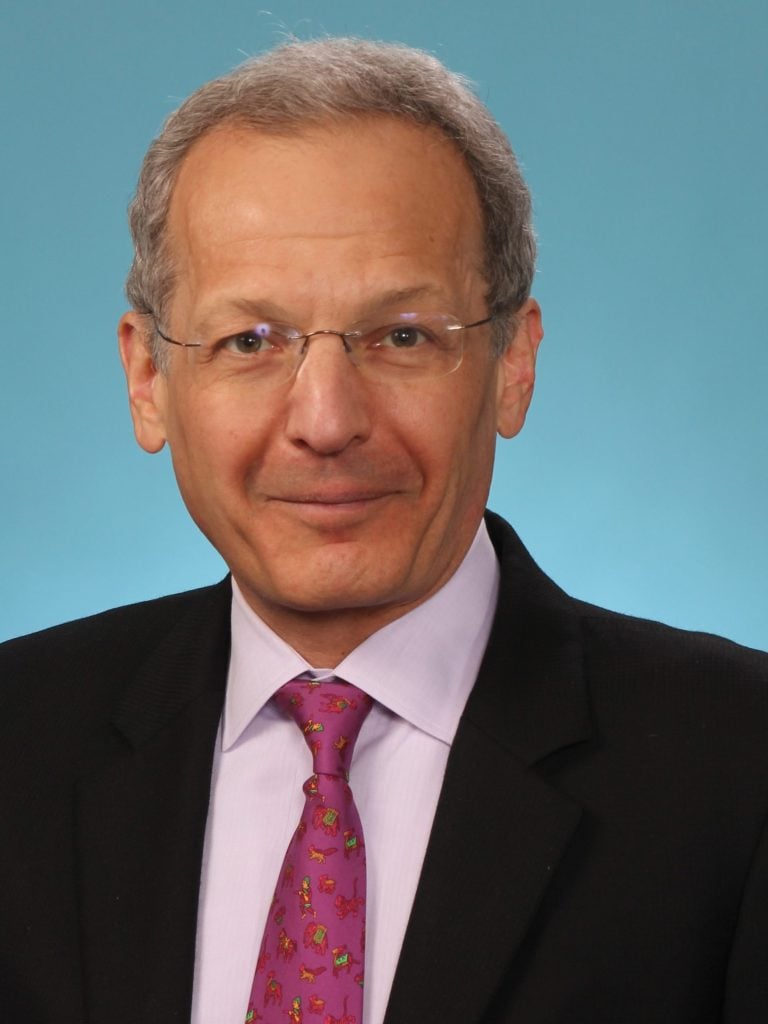
This annual award honors an internationally recognized clinical investigator who has contributed significantly to understanding the pathogenesis and therapy of endocrine and metabolic diseases.
Samuel Klein, MD, is the William H. Danforth Professor of Medicine at the Washington University School of Medicine in St. Louis, Mo.
His research is focused on understanding the cellular and multi-organ system physiological mechanisms responsible for the heterogeneity in metabolic dysfunction associated with obesity, prediabetes, diabetes, and the therapeutic effects of weight loss.
Klein has conducted groundbreaking clinical trials that evaluated the efficacy and metabolic effects of weight reduction therapies. He conducted the first randomized controlled trial to evaluate the efficacy of a low-carbohydrate (CHO) diet for obesity, which demonstrated that a low-CHO diet produces greater short-term (six-month) but not longer-term (12-month) weight loss than a conventional low-fat diet.
Klein’s work has applied a combination of sophisticated basic and clinical science research techniques to address clinically relevant questions in human subjects, which are ultimately directed to improving health and patient care.
His research has been highly cited over the years (H Index 129), and his articles have appeared in many high-impact journals, including the New England Journal of Medicine, Science, Nature, Nature Medicine, Nature Metabolism, Cell Metabolism, Annals of Internal Medicine, and the Journal of Clinical Investigation.
From Nominations:
“Dr. Klein is one of the pre-eminent clinical investigators in the world. His research is focused on understanding the mechanisms responsible for the heterogeneity in metabolic dysfunction associated with obesity and the therapeutic effects of weight loss. His research is characterized by the use of sophisticated research tools to test clinically relevant hypotheses in human subjects; he has successfully integrated the use of stable isotope tracers, abdominal vein catheterization, microdialysis probes, multiomics, and cellular analyses of tissue samples to simultaneously study cellular, regional, and whole-body metabolic function…
“Samuel Klein, MD, is an outstanding candidate for the Endocrine Society’s Outstanding Clinical Investigator Award. He is a unique physician-scientist who conducts studies in human subjects that are directed at understanding the pathogenesis and pathophysiology of obesity and diabetes in an effort to ultimately improve health and clinical care. I support his nomination with the highest enthusiasm.” – Rexford S. Ahima, MD, PhD, Professor of Medicine, Public Health, and Nursing; Bloomberg Distinguished Professor of Diabetes; Director, Division of Endocrinology, Diabetes and Metabolism; Director, Osler Medical Residency Physician-Scientist Pathway
How has the Endocrine Society supported your professional development/career journey?
The Endocrine Society has provided direction and leadership for promoting scientific advances and interactions in endocrinology, metabolism, and clinical care. The ability to present our own work at the Annual Meeting and publish in the Endocrine Society journals has led to opportunities for rewarding feedback and research collaborations.
As a Laureate Award recipient, do you have any advice for those just beginning their careers?
For young investigators pursuing a research career, it is important to follow the data and not become personally invested in a particular hypothesis. Research is an exploration to find the truth — there is nothing wrong in being wrong.
Lisa B. Nachtigall, MD
Vigersky Outstanding Clinical Practitioner Award
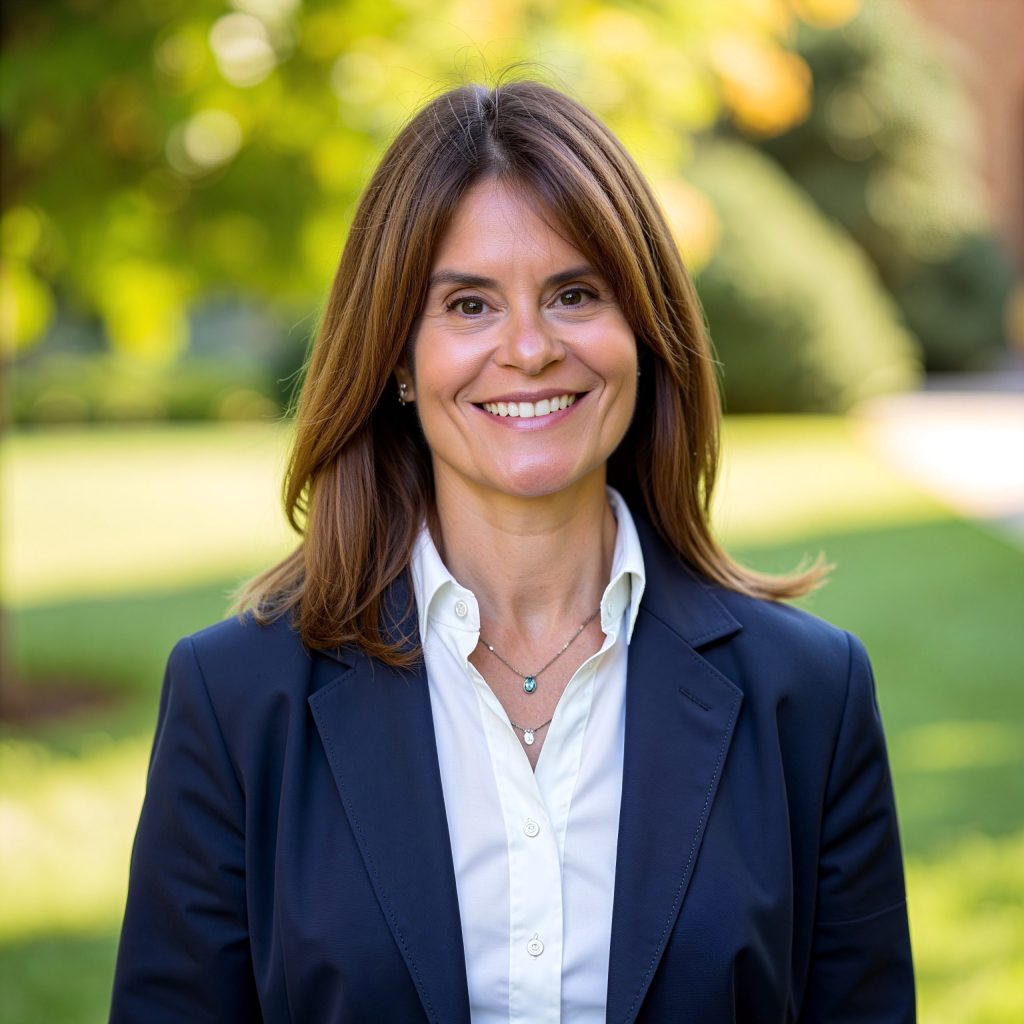
This annual award recognizes extraordinary contributions by a practicing endocrinologist to the endocrine and/or medical community.
Lisa B. Nachtigall, MD, is the Clinical Director of the Neuroendocrine Clinical Center at Massachusetts General Hospital (MGH) and an Associate Professor of Medicine at Harvard Medical School in Boston, Mass. She also is Director of MGH International Education Programs for the MGB/MGH Endocrine Division, and of the MGH/Harvard Medical School advanced clerkship in Clinical Neuroendocrinology.
Nachtigall has extensive clinical experience in all pituitary disorders, particularly acromegaly. She is an internationally recognized clinical expert who speaks nationally and internationally and has published extensively in the field of pituitary care. She co-founded and directs a visiting scholars program encouraging a pipeline of students and trainees in endocrinology. She has been an impactful advocate for patients with rare disorders, including organizing educational programs for patients with acromegaly.
Nachtigall is recognized as a scientific expert in both neuroendocrinology and bone metabolism. She receives consults from around the country and the world and serves on external scientific advisory boards and on data safety monitoring committees. Her depth of clinical and research expertise is broad, including pituitary tumors, acromegaly, Cushing’s syndrome, bone metabolism, and Turner’s Syndrome. She also has served on multiple Endocrine Society committees and task forces.
From Nominations:
“What is special about Lisa as a clinician is that she combines an unusually impressive bedside manner with top level scientific expertise. Patients comment on how well she listens and how well she explains very complex procedures so that they feel fully able to make difficult care choices. She does this not as an academician who rarely sees patients, but as one who has an extremely heavy clinical load…
“Finally, she has made significant contributions to teaching at the local, national and international levels, from medical students to faculty, including supporting the careers of several trainees. She has recognized the urgent need to encourage minority students to seek a career in healthcare and has volunteered her time as a mentor. This is a remarkable number of contributions on top of her very active clinical practice, demonstrating her dedication and commitment to clinical care improvement.” – Ann E. Taylor, MD, Chair, Women in Endocrinology Nominating Committee
How has the Endocrine Society supported your professional development/career journey?
The Endocrine Society has provided me with unique opportunities as a speaker, advocate, clinical educator and learner. In my first oral presentation, at the 1996 annual meeting, I learned from the challenges of an early-career presenter to an audience of global experts. As 2025 CEU faculty, presenting “Pituitary: Year-in-Review,” I experienced the challenge of making my narrow area applicable and accessible to all. Committees enabled networking and collaborations and offered me a novel role in advocacy via “Hill Day” meetings with congressional staff. I am grateful for the Society’s outstanding educational content through annual meetings, review courses and superior journals. The Endocrine Society sets the bar high, and this is motivating.
As a Laureate Award recipient, do you have any advice for those just beginning their careers?
Stay open-minded in the path you choose. Find a balance within research, practice, education, or administration. For example, if you’re an investigator, consider honing clinical skills to fall back on if funding becomes limited. If you’re a clinician, consider finding additional support as an educator or a collaborator in investigation, to increase your satisfaction and prevent burn out. One of the best parts of being in endocrine practice is learning from your patients, following them over time, and understanding their individual needs. Guidelines and algorithms are helpful but for optimal care, adjust these for the person and their context.
Bradley David Anawalt, MD
Outstanding Educator Award
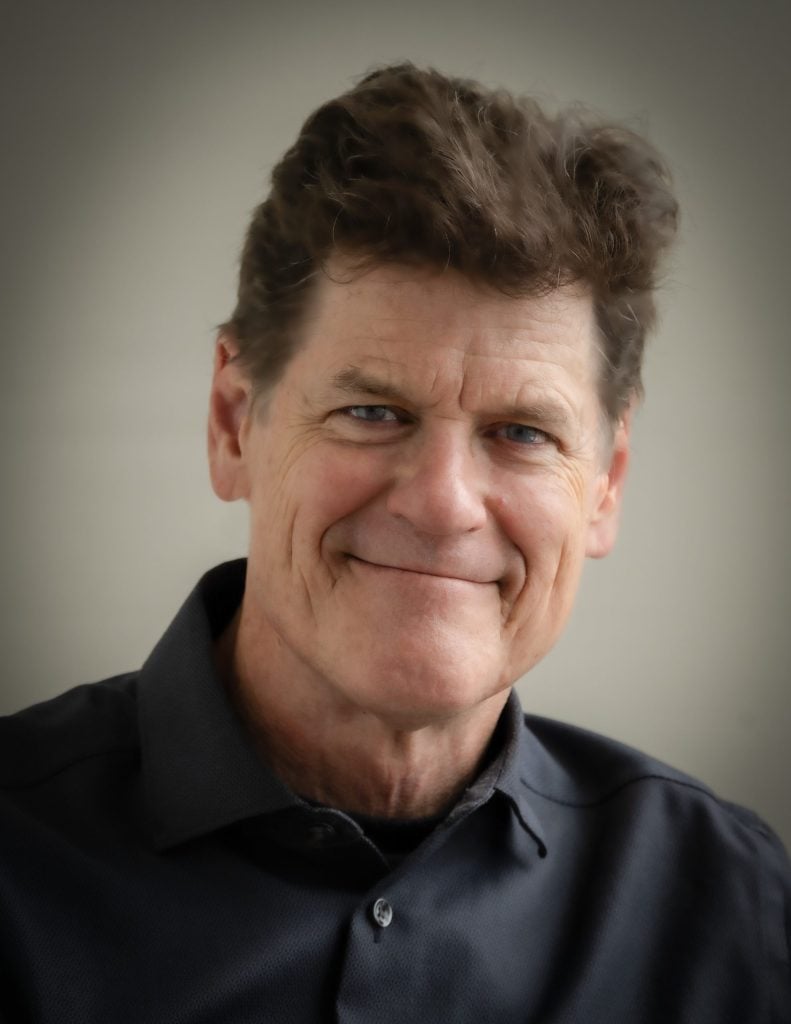
This annual award recognizes exceptional achievement as an educator in the discipline of endocrinology and metabolism.
Bradley David Anawalt, MD, is Professor and Vice Chair in the Department of Medicine at the University of Washington School of Medicine in Seattle, Wash.
His long tenure at the University of Washington is marked by regular citations for excellence in teaching, and he has received most of the major awards that his institution gives for medical education. He has been a leader in the Endocrinology Fellowship program at the UW as well as Endocrine Days, an outstanding quarterly meeting of endocrinologists in the Pacific Northwest that has been held for nearly 40 years.
He is a world expert in andrology and the diagnosis and treatment of male hypogonadism. He also is a dedicated teacher, known for his ability to convey not only factual material, but a sense of collegiality and joy in learning among his students.
He has held numerous service positions with the Endocrine Society and currently is a member of its Endocrine Self-Assessment Program (ESAP™) Faculty Group and CoDI. He’s also a regular presenter at ENDO where he has contributed scientific presentations, plenary lectures, work as a session chair, and meeting planning.
From Nominations:
“It is difficult for me to name another society member who has dedicated more energy and spirit to teaching and learning endocrinology at our meetings than Brad Anawalt. Besides the international audience who learn from Brad at ENDO meetings, his well-deserved reputation has come with invitations to speak around the world, such as Canada, Vietnam, India, Australia, China, Russia…
“For those who have attended a Brad Anawalt event, the combination of enthusiasm, goodwill, objectivity, and intellectual rigor is unmistakable. His passion and curiosity are contagious, and his presentations convey not only factual material, but a sense of collegiality and joy in learning. Dr. Anawalt is a world expert in andrology and the diagnosis and treatment of male hypogonadism, but his interests are broad and he is an engaging, compelling speaker on a wide range of topics in our specialty…
“Overall Dr. Anawalt is arguably as fine a representative of the Endocrine Society as I can name, but he certainly represents the core values of education and learning that are central to Endocrinology at the highest level.” – David A. D’Alessio, MD, James B. Wyngaarden Distinguished Professor of Medicine; Chief, Division of Endocrinology and Metabolism; Duke University Medical Center
Patricia Lee Brubaker, PhD
Outstanding Mentor Award
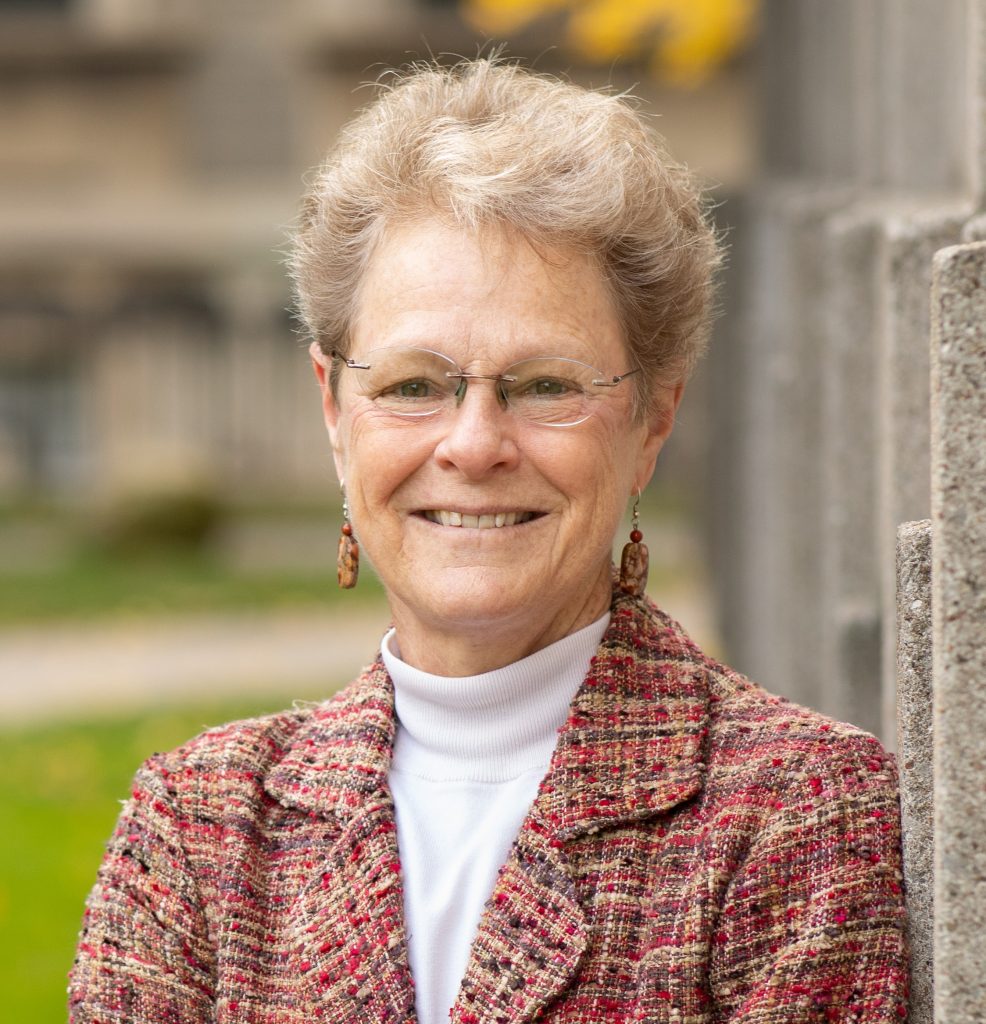
This annual award recognizes a career commitment to mentoring and a significant positive impact on mentees’ education and career.
Patricia Lee Brubaker, PhD, is Professor Emerita in the Departments of Physiology and Medicine at the University of Toronto in Ontario, Canada.
Since 1985, Brubaker has mentored hundreds of post-doctoral fellows and graduate and undergraduate research students. Under her mentorship, she provides her students with a roadmap for success in their chosen careers, and her students have gone on to publish papers in high-impact journals.
She has received numerous awards for her mentorship activities, several of which required nomination by her own trainees, including: Excellence in Graduate Student Mentorship (2009); Linking Undergraduate Teaching and Research in Life Sciences Award (2012); Sustained Excellence in Graduate Teaching and Mentorship (2016).
Many of her undergraduate trainees remain in her laboratory over extended terms, and she has continued to mentor many of them for years post-graduation. She currently is Chair of the Endocrine Society’s Publications Core Committee and was the Associate Editor of Endocrinology, the Society’s basic science journal.
From Nominations:
“Brubaker’s goals in mentoring are to provide all of her trainees with the necessary skills to fulfil their ambitions. She takes great pleasure in working individually with each trainee to uncover their strengths as well as any areas that need reinforcement, on topics ranging from experimental design, statistical analyses and ethics to written and oral communication…
“Her goal is to provide them with a roadmap for success in their chosen careers, which include academia, education, industry, law, medicine- and related disciplines. As one measure of her dedication, she has continued to mentor many of her trainees for years post-graduation.” – Denise D. Belsham, PhD, Tier 1 CRC, Professor of Physiology, Medicine, Ob/Gyn; Daniel Drucker MD, FRS, Professor of Medicine in the Division of Endocrinology at the Lunenfeld Tanenbaum Research Institute of Mt. Sinai Hospital and the University of Toronto in Toronto, Canada.
How has the Endocrine Society supported your professional development/career journey?
As a graduate student, the Endocrine Society Annual Meeting was the first conference I attended where I could ‘see’ myself in my fellow participants: a female basic scientist. Throughout my career, the Society has offered me a forum for collegial interactions as well as opportunities to publish our research findings in prestigious journals. I have also been privileged to give back to the endocrine community through service as a journal reviewer, as Associate Editor of Endocrinology and, most recently, as Chair of the Publications Core Committee.
As a Laureate Award recipient, do you have any advice for those just beginning their careers?
The greatest joy of my career was working with my trainees, recognizing that “Knowledge is like a candle. When you light your candle from mine, my light is not diminished. It is enhanced and a larger room is enlightened as a consequence.” (Thomas Jefferson). You need to trust your trainees – they will keep the lab going while you are gaining all the other skills you need to be successful (i.e., grant writing, teaching). But you also need to ensure that they have the opportunity to present their work at conferences such as the Endocrine Society Annual Meeting, where they will grow in confidence and build the networks essential to their own careers.
Martin Reincke, MD
Outstanding Scholarly Physician Award
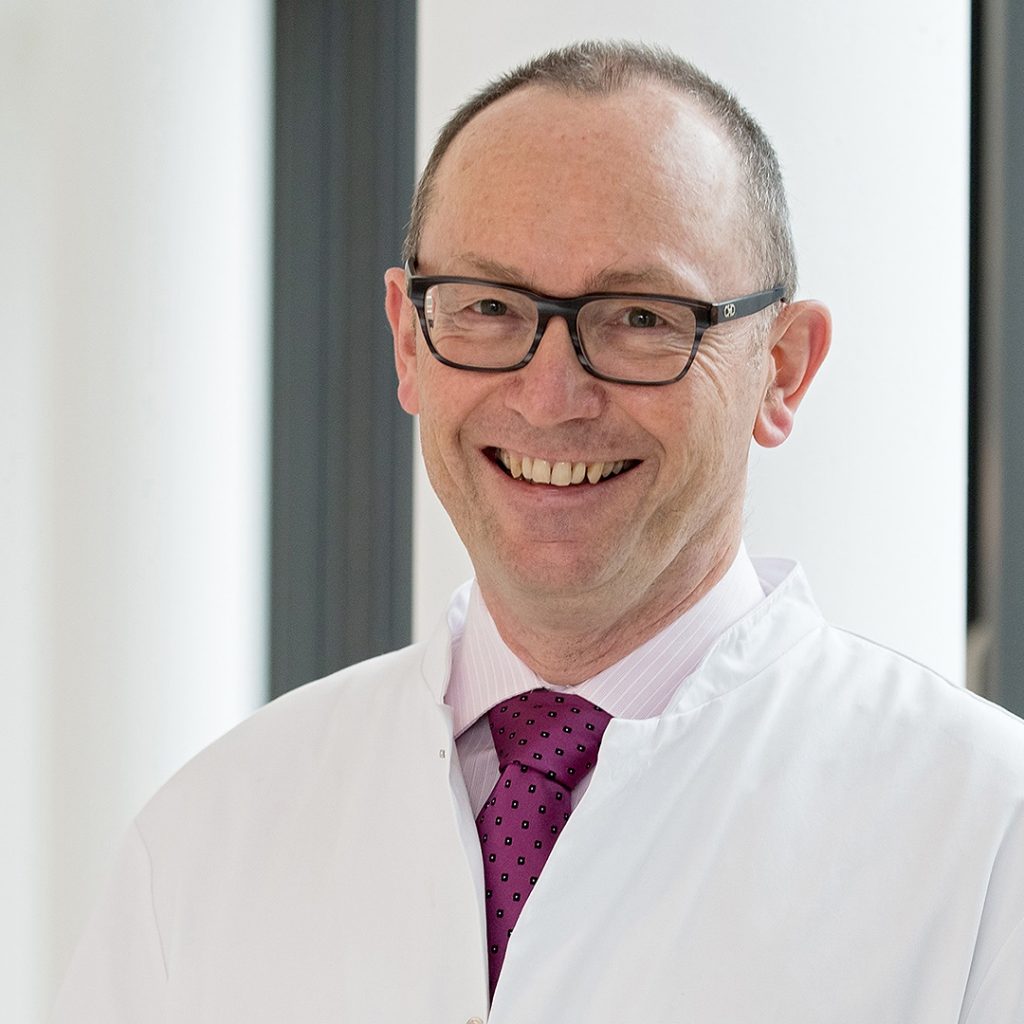
This annual award recognizes outstanding contributions to the practice of clinical endocrinology in academic settings.
Martin Reincke, MD, is Professor of Endocrinology and Chair of Medical Department IV at the Ludwig-Maximilians University Hospital in Munich, Germany — one of the leading institutions in German academic medicine.
He is an internationally recognized leader in the diagnosis and management of adrenal and pituitary disorders who played a key role in building a large-scale international research consortia to address major therapeutic challenges in patients with primary aldosteronism and Cushing’s syndrome.
He was founding member of the European Network for the Study of Adrenal Tumors (ENSAT) in 2001. This network has become an international benchmark for successful translational research, created a seminal basis for continuous collaboration and clinically relevant discoveries, leading to outstanding publications and highly recognized guidelines (jointly with the European Society of Endocrinology).
Reincke has served the global endocrine community in multiple roles, including his Presidencies of the German Society of Endocrinology (2014-2017) and the European Society of Endocrinology (2021-23). He previously served on the Editorial Board of The Journal of Clinical Endocrinology & Metabolism.
From Nominations:
“Prof. Reincke is renowned for his initiative to build national disease-specific registries and biobanks for primary aldosteronism and Cushing’s syndrome, connecting major German centers as translational research hubs. Based on hypothesis-driven design and deep clinical and biochemical phenotyping, he and his team made major scientific discoveries in pathophysiology, diagnosis, subtyping and treatment resulting in more than 310 publications…
“He is well known for his integral personality, sharp mind, clear words, and close interaction with team members, colleagues, students and patients. He is a role model par excellence for aspiring early-career clinical and translational endocrinologists.” – Márta Korbonits MD, PhD, Professor of Endocrinology and Metabolism
How has the Endocrine Society supported your professional development/career journey?
I joined the Endocrine Society as a young medical doctor in training in 1989 and was thrilled to become a member. I was even more excited to attend my first ENDO meeting, where I presented our work on incidentally detected pituitary masses — at the time, a relatively new topic. During my poster session, I was surprised to see so many distinguished colleagues and professors, whom I had only known from the literature, come by to discuss my data. Even more remarkably, I later found a business card pinned to my poster from a subeditor of JAMA, suggesting I submit the manuscript to the journal. To my astonishment, it was eventually accepted and published! This experience remains impactful even 30 years later. The Endocrine Society has continuously supported me at every stage of my career, being the lighthouse of endocrine excellence.
As a Laureate Award recipient, do you have any advice for those just beginning their careers?
Be ambitious and focus on significant topics!
In the early stages of my scientific journey, I prioritized publishing in top journals. During my mid-career years, my focus shifted to securing large-scale funding and grants. Nowadays, I find that being an inventor and entrepreneur is paramount, as this role transforms knowledge and science into life-saving therapies. Mentorship is key when starting a scientific career. I was fortunate to have the late Bruno Allolio in Cologne and Würzburg, and George Chrousos at the NIH as lifelong mentors. They sharpened my intellect and offered unwavering support.
Having trustworthy collaborators or even better friends in biomedical science, such as Wiebke Arlt, Martin Fassnacht, Felix Beuschlein, Nicole Reisch, and many others, has been invaluable in tackling seemingly insurmountable challenges, especially in the realm of rare diseases.
Katrin J. Svensson, PhD
Richard E. Weitzman Outstanding Early-Career Investigator Award
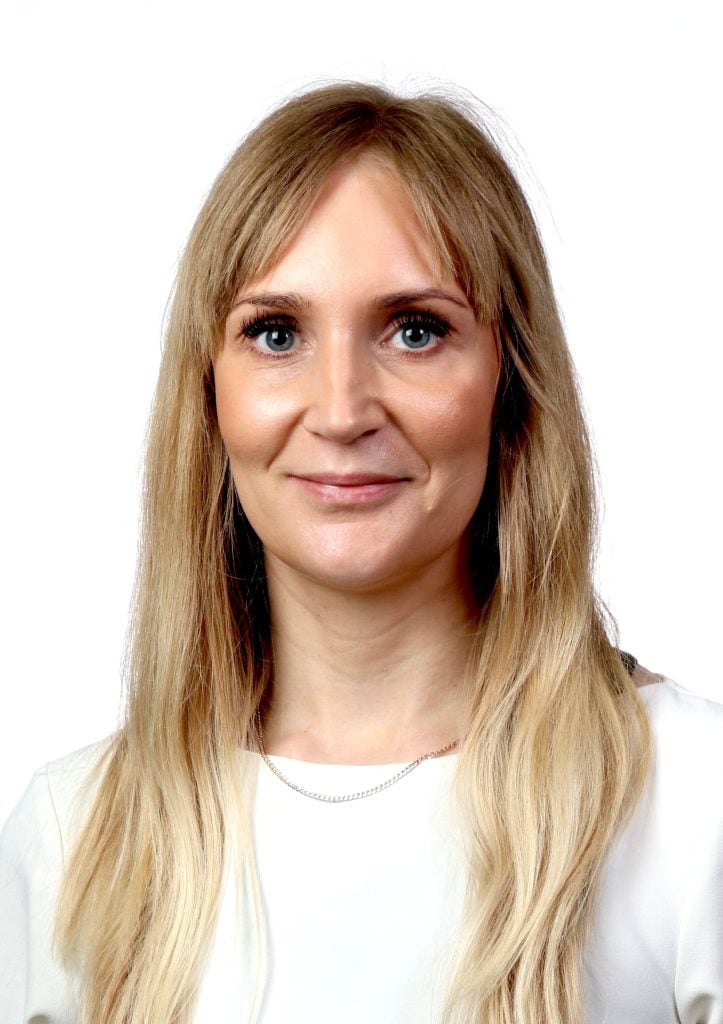
This annual award recognizes an exceptionally promising young clinical or basic investigator.
Katrin J. Svensson, PhD, is Associate Professor in the Department of Pathology at Stanford University, and the Metabolic Core Director and Affinity Group Leader at the Stanford Diabetes Research Center in Palo Alto, Calif.
Her research focuses on understanding intercellular communication to maintain metabolic homeostasis, with a particular emphasis on secreted signaling molecules and peptides.
Svensson’s laboratory discovered Isthmin, a secreted protein that regulates insulin independent glucose uptake and lipid homeostasis. Additionally, her group developed computational methods to predict new peptides and ligand-receptor pairs, advancing the discovery of novel endocrine pathways.Since 2018, she has published 15 papers as a senior author, in addition to the discovery of Isthmin.
Beyond publishing, Svensson’s laboratory also has a track record of patenting its discoveries for potential future commercialization. Since 2018, seven patents have been filed and/or are in the process of being filing from her laboratory, two of which are already licensed to Merrifield Therapeutics, a biotech startup company co-founded by Katrin focused on translating biological endocrinology findings into therapeutic targets for obesity and diabetes.
Her commitment to advancing endocrinology is further reflected in her ongoing service on the NIH Pathophysiology of Obesity and Metabolic Disease (POMD) study section and her work as a reviewer for leading journals, including Nature, Cell Metabolism, and Nature Metabolism.
From Nominations:
“Katrin’s influence extends beyond research through her dedicated service to the scientific community, particularly within the Endocrine Society, where she has served as an associate editor for Endocrine Reviews for the past four years. In this role, she works closely with the editor-in-chief and other associate editors to manage submissions, oversee peer review, and uphold the journal’s high standards. These prestigious roles highlight her standing as a trusted and established leader in the field…
“Besides her scientific traits, Katrin’s defining personal characteristics include an openness and unbounded enthusiasm for new ideas as well as a deep affection for her peers and colleagues. Katrin has emerged as a leader amongst her colleagues. In her first years, she initiated efforts to foster communication and community within Stanford by establishing the first Metabolic Core facility. As one of the Affinity Group Leaders at the Diabetes Center at Stanford, she promotes cohesiveness and communication between faculty with interests in diabetes, obesity, and metabolism.” – Ashley Grossman BA BSc MD PhD FRCP FMedSci, Emeritus Professor, Oxford Centre for Diabetes, Endocrinology and Metabolism, Green Templeton College, University of Oxford, United Kingdom; Anna L Gloyn, DPhil, Professor of Pediatrics, Associate Chair of Basic Research, Stanford University, School of Medicine; and Joy Wu, MD, PhD, Gerald M. Reaven, MD Professor of Endocrinology; Chief, Division of Endocrinology, Stanford University, School of Medicine
How has the Endocrine Society supported your professional development/career journey?
The Endocrine Society has given me a community where I could talk openly about ideas and get early feedback. Serving as an associate editor for Endocrine Reviews has also connected me with colleagues whose perspectives have shaped my own thinking.
As a Laureate Award recipient, do you have any advice for those just beginning their careers?
Early in my career, I pursued secreted peptides that nobody knew existed yet, and that willingness to explore the unknown has defined my work ever since. These molecules were simply undiscovered, but the scientific environment made it feel natural to follow ideas outside established categories. I try to pass that mindset to my trainees. Early in your career, curiosity is your greatest advantage.
Alvin C. Powers, MD
Roy O. Greep Award for Outstanding Research
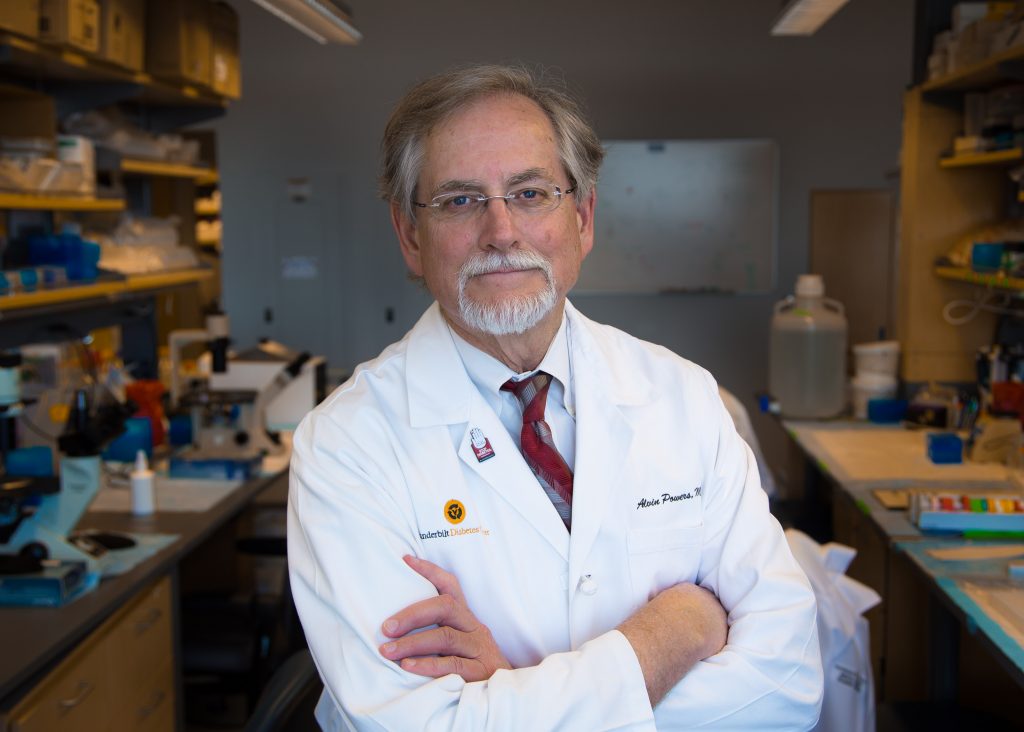
This annual award recognizes meritorious contributions to research in endocrinology.
Alvin C. Powers, MD, is the Joe C. Davis Chair in Biologic Science, Professor of Medicine and Molecular Physiology and Biophysics, and Director of the Vanderbilt Diabetes Center at Vanderbilt University Medical Center in Nashville, Tenn.
Powers is a physician-scientist who has made fundamental research discoveries revealing how alterations in islet biology are linked to the pathogenesis of type 1 and type 2 diabetes, cystic fibrosis-related diabetes, monogenic diabetes and post-transplant diabetes.
The work of his research group, especially the emphasis on translating research on human islet biology into advancing human diabetes research, has redefined our understanding of islet structure and function and its role in glucose homeostasis and diabetes.
Using a range of complementary experimental approaches, Powers’ research group has defined the morphology, cell composition, gene expression, innervation, vascularization, and stimulated-hormone secretion of the pancreatic islet. These findings have promoted the concept of the islet as a “mini-organ” with interactions of islet endocrine cells, endothelial cells, immune cells, and the extracellular matrix being critical for islet function and development.
His group showed how the islet becomes highly vascularized and highly innervated through a coordinated series of cellular interactions and paracrine signals that begin at the earliest stages of islet development and continue in the adult islet. These interactions are crucial for normal islet mass and function and by modifying the islet microenvironment Powers showed that islet cell function or proliferation could be enhanced.
Powers has served on various Endocrine Society committees and task forces and is an author of the Society’s recent Scientific Statement on type 1 diabetes.
From Nominations:
“Powers has been a leader in discoveries that show important similarities and differences in human islets and islets from rodent models. His work has greatly influenced the field as he has advocated for translational approaches involving both human islets and model systems…
“Recognizing the difficulty, but also the importance, of integrating studies of both the pancreas and isolated islets from the same individual in combination with clinical history and phenotype, Powers and his group established over the past decade new infrastructure and approaches to study the pancreas and islets in donors with various forms of diabetes and appropriate controls…
“Working with organ procurement organizations across the US and with organizations that match human tissue with researchers, Al and his group have collected and studied in new ways the pancreas and islets from more than 300 individuals, leading to a new understanding of human diabetes… – Daniel Drucker MD, FRS, Professor of Medicine in the Division of Endocrinology at the Lunenfeld Tanenbaum Research Institute of Mt. Sinai Hospital and the University of Toronto in Toronto, Canada.
R. Paul Robertson, MD
Sidney H. Ingbar Distinguished Service Award
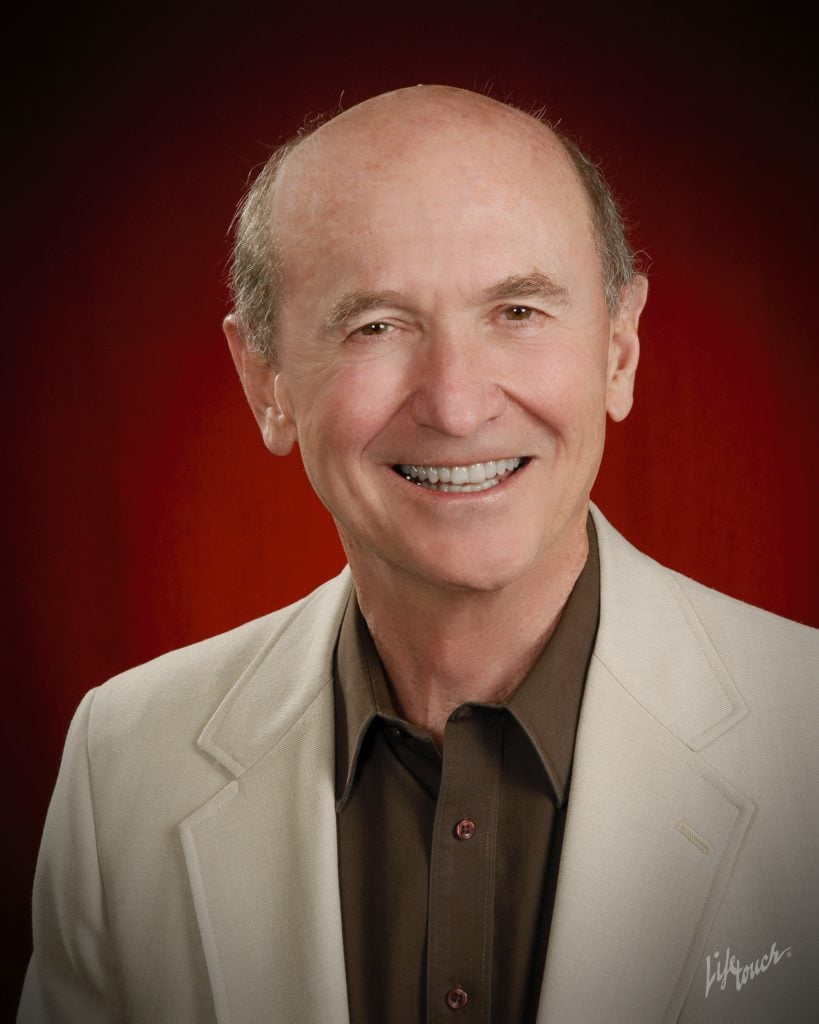
This award recognizes distinguished service to the Endocrine Society and the field of endocrinology.
R. Paul Robertson, MD, is Professor Emeritus at the University of Washington School of Medicine in Seattle, Wash.
He has made numerous scientific contributions to endocrinology over the course of his career with research that improves our understanding of pancreatic islet function in humans, animals and clonal cell lines.
He’s served in numerous leadership roles, including at the National Institutes of Health, and the American Diabetes Association (ADA), where he served as the ADA’s President for Medicine and Science.
At the Endocrine Society, he’s served as Editor-in-Chief of The Journal of Clinical Endocrinology & Metabolism and Endocrine Reviews, and as a member of the Society’s Publications Core Committee. He also has been Editor-in-Chief of Diabetes and was the founding Editor-in-Chief of Translational Endocrinology & Metabolism. Since 2019, he has served as Editor-in-Chief of De Groot’s Endocrinology, a leading textbook in the field of endocrinology.
From Nominations:
“Paul is unequivocally one of the most discerning, prolific, creative, and impactful editors in our field. He has been a member of the Endocrine Society’s Journals Operating Committee and currently serves on the Endocrine Press Editorial Advisory Board.
“I want to highlight his leadership as an Editor of Endocrine Reviews and JCEM — the flagship journals of the Endocrine Society. Both of these journals flourished under his leadership, and he mentored a next generation of associate editors…
“Perhaps less obvious, he has helped to strategically integrate the academic communities that publish in fields of diabetes and obesity into journals of the Endocrine Society. Dissemination of knowledge is a primary mission of the Endocrine Society.” – J. Larry Jameson, MD, PhD, Dean, Perelman School of Medicine, University of Pennsylvania; and Jerrold M. Olefsky, MD, Professor of Medicine, Associate Dean for Scientific Affairs, University of California, San Diego, School of Medicine
How has the Endocrine Society supported your professional development/career journey?
A major part of my academic life has been to support the publication of scientific information. The results of experiments and the careers of young scientists do not come to fruition if their data do not leave notebooks and transform into information on pages of journals and textbooks. The Endocrine Society enabled my ambition by selecting me to be editor-in-chief of two major journals (Endocrine Reviews and JCEM). Working with scientists and shepherding their work through the review process, both as authors and reviewers, taught me a great deal about endocrine science and nurturing many friendships.
As a Laureate Award recipient, do you have any advice for those just beginning their careers?
Becoming an endocrinologist and treating patients with endocrine diseases is a never-ending and fascinating journey of a lifetime. Embrace it and you will discover amazing medical facts as well as the opportunity to treat a huge spectrum of important medical diseases that affect people of all ages.
Ismaa Sadaf Farooqi, MD, PhD
Gerald D. Aurbach Award for Outstanding Translational Research
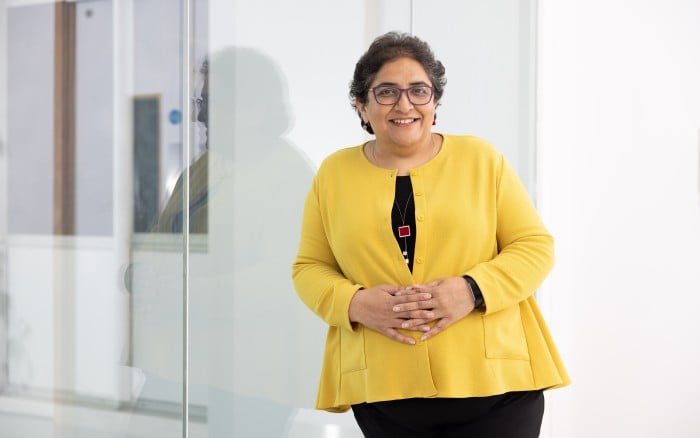
This annual award recognizes outstanding contributions to research that accelerates the transition of scientific discoveries into clinical applications.
Ismaa Sadaf Farooqi, MD, PhD, is a Clinician Scientist at the Institute of Metabolic Science at the University of Cambridge in Cambridge, U.K.
She is being honored for her discoveries of fundamental mechanisms that control human energy homeostasis. With colleagues, she discovered the first genes whose disruption causes severe obesity. In pioneering clinical studies, she established that the principal driver of human obesity is a failure of the central control of appetite and that the leptin-melanocortin pathway regulates food intake, macronutrient preference, food reward and body weight.
In children with congenital leptin deficiency treated with recombinant leptin, she showed that leptin reduced hyperphagia, permitted the onset of puberty at an appropriate developmental stage and reversed T cell mediated immune dysfunction.
This work has shaped our understanding of how physiological states are characterized by a fall in leptin levels (starvation, the weight-reduced state) and pathological states characterized by low leptin levels (anorexia nervosa, lipodystrophies), impact on reproduction and immunity.
Her work is an exemplar of how understanding disease mechanisms can change diagnostic practice, inform the development of mechanism-based therapies and improve the lives of patients. Genetic investigation is now part of the diagnostic evaluation of severe childhood-onset obesity, recommended in clinical guidelines globally.
From nomination:
“Sadaf has played a leading role in the design and conduct of clinical trials of medicines which enhance signaling through the leptin-melanocortin pathway. As a result, subgroups of children with severe, life-threatening obesity can now be treated effectively with therapies which have been licensed…
“By demonstrating that severe childhood obesity can represent a medical disorder, her work has prevented children from being taken away from their families and placed into social care due to concerns about parental neglect. Alongside her scientific contributions, Sadaf has been actively involved in public engagement and advocacy, leveraging the knowledge derived from her translational research to encourage a more sympathetic understanding of the challenges faced by people with severe obesity.” – Sir Stephen O’Rahilly, Professor, Wellcome-MRC Institute of Metabolic Science-Metabolic Research Laboratories and Medical Research Council Metabolic Diseases Unit, University of Cambridge; R.V. Thakker, FRS FMedSci, Professor of Medicine, University of Oxford
How has the Endocrine Society supported your professional development/career journey?
Since my early days as a clinical fellow, I have benefited from the training and networking opportunities provided by the Endocrine Society. In particular, the many ways in which the Society connects endocrinologists from around the world has allowed me to establish a global network of friends, colleagues and collaborators who have benefited my research and my career.
As a Laureate Award recipient, do you have any advice for those just beginning their careers?
We are entering an exciting era for translational research driven by technological advances. The challenge we face is how can we deploy new technologies to advance science and ultimately benefit patients. My advice for those beginning their careers is to be bold, ask questions, seek answers. Listen to patients, keep an open mind and be willing to explore areas outside your comfort zone.
 Loading ...