

Martin O. Savage, Emeritus Professor of Pediatric Endocrinology, William Harvey Research Institute, Barts and The London School of Medicine & Dentistry, Queen Mary University of London, passed away on February 24, 2026.
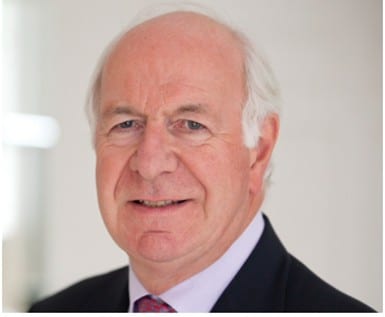
Martin Savage was a kind, generous, quietly spoken man, an inspirational pediatrician and an internationally renowned clinician scientist. He was passionate about teaching and led many flagship educational activities. He nurtured the careers of many people in the UK and internationally. Those of us who had the privilege of being taught by him will never forget the experience of learning from him in the clinic. How he gently took the medical history from a child and their parents, examined them with great respect, cared for them through childhood and puberty, before then transitioning their care to his adult colleagues. One of Martin’s major contributions to medicine was his founding of “Transition Endocrinology.” He was one of the first to recognize the fundamental importance of pediatric-adult collaboration and joint care and taught this model widely.
Martin was a gifted writer and in 2023 he complied a memoir titled; “Reflections of an Itinerant Lecturer.” Reading this, you can see that his gentle and quiet confidence came from, “A Life well Lived.” Medicine is both an art and science. It is a creative endeavor, and the influence of Martin’s early life, his family and education, molded him into the successful clinical scientist he became. Martin’s mother, Kitty, half-American through her mother, was a journalist and a published writer of history books for children and Martin inherited her literary skills. Martin’s father, Oswald, trained at Barts, and was one of the first UK rheumatologists. Oswald was a great fan of the Americans both through the family connections and his respect for their science. He introduced Martin to his friends, most notably Dr Philip Hench, who received the Nobel prize in 1950: ‘For synthesis and development of cortisone’. Martin’s childhood was marked by yearly European family holidays and Martin was a great Europhile and talented linguist. He was Secretary-General of the European Society for Paediatric Endocrinology (ESPE) and worked tirelessly for the Society between 1997 and 2024. He was an outstanding leader and a senior statesman for the Society. He formed collaborations and friendships that remained with him for the rest of his life.
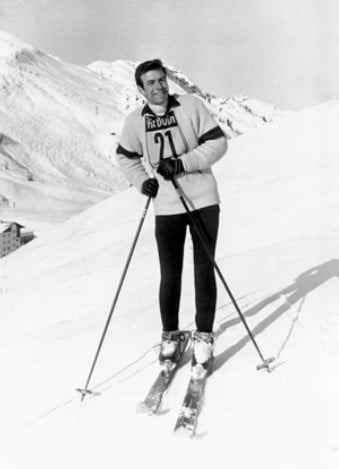
Martin didn’t immediately strike you as a competitive sportsman, but he had great skill in skiing, golf, and tennis and represented Cambridge University in skiing for which he achieved a “Blue.” Martin states in his memoir, “I left Eton with a sense of achievement, having got a distinction in the end of year ‘trials’, their name for exams, and having secured a place at Magdalene College to read modern languages.” He had a gap year and when he returned, encouraged by his godfather, an enthusiastic general practitioner, he changed to study medicine. When Martin was awarded his MD degree by Cambridge University, Sir John Butterfield told him that he had made a significant contribution to British science. At the time, Martin dismissed this as an exaggeration, but it is true. Martin’s outstanding novel descriptions of, and molecular dissection of, growth hormone resistance, were ground-breaking. Martin’s memoir reads like a Baedeker’s guide to a “Grand Tour” of the world. Martin travelled and lectured in every quarter of the globe.
Martin described his marriage to Elisabeth as a whirlwind romance. He was clearly lucky in love and grew a close, happy, healthy family with two children, Caroline and Oliver. The church played an increasing role in Martin and Elisabeth’s life, bringing meaning and comfort. At the end of his memoir Martin describes himself as, an ambitious and serious man. However, we saw him as a modest, thoughtful man who enjoyed life to the full, gave pleasure to many, was dedicated to his family, and trained a generation of pediatric and adult endocrinologists.
He made numerous major, wide-reaching academic contributions to pediatric endocrinology to directly improve patient care, particularly in disorders of growth, the GH-IGF-I axis, and Cushing’s syndrome. His outstanding achievements have been recognized by numerous honors including the RCPCH James Spence Medal in 2025, BSPED James Tanner Award in 2022, the American Human Growth Foundation Visionary Award in 2018, and the ESPE Andrea Prader award in 2007.
Martin touched so many people’s lives through his boundless energy and immense kindness, wisdom, generosity, friendship, and mentorship. He had a lifelong devotion to improving the endocrine care of children. He leaves a lasting legacy in pediatric endocrinology.
 Loading ...