

Each month, Endocrine News presents an overview of how the Endocrine Society has been advocating for the practice and science of endocrinology, both in the U.S. and around the world.
Endocrine Society Calls on Congress to Increase NIH Funding and Protect Research
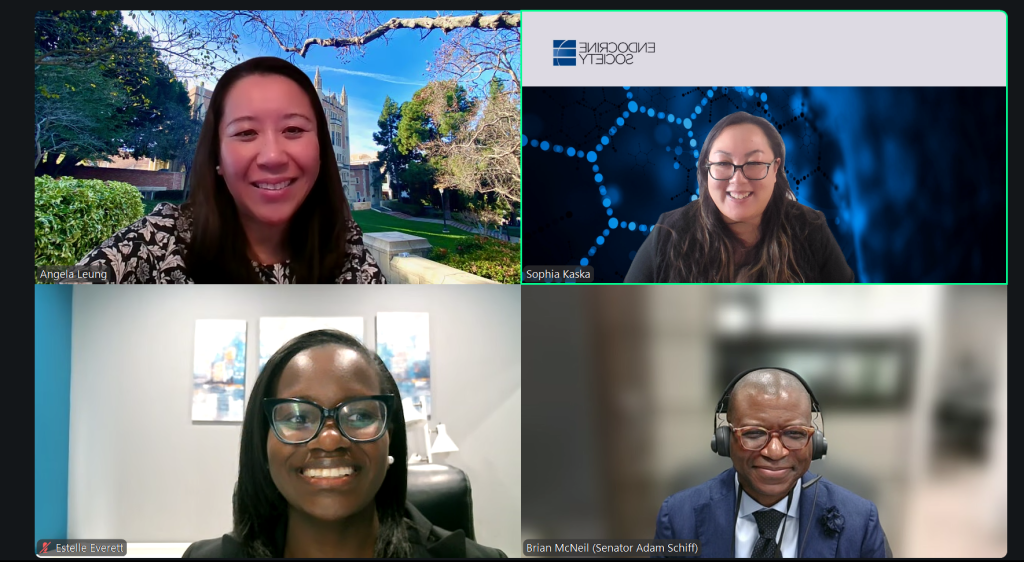
Because Congress is considering funding for fiscal year 2027 right now, the Endocrine Society organized a virtual Hill Day on March 13, to call on lawmakers to increase National Institutes of Health (NIH) funding and protect NIH research. We also urged representatives and senators to provide funding for women’s health research and establish a dedicated Women’s Health Research Fund within the Office of the Director. In addition, we informed congressional offices about continued delays in funding opportunities and obstacles for researchers to draw down on approved funds, so that they could address with the NIH and the administration.
More than 40 members of the Society from states and congressional districts of lawmakers who serve on the appropriations committee participated, resulting in 100 congressional meetings. Our virtual meetings amplified the voice of endocrine research and the Society’s influence. You can help maximize our impact! Please join our online advocacy campaign by visiting endocrine.org/advocacy/take-action and share our message with your representative and senators.
We will continue to keep members posted about funding developments and we will participate in an in-person Hill Day later this Fall as well.
CMS Releases Additional Information on Pilot Program to Expand Access to Obesity Medications
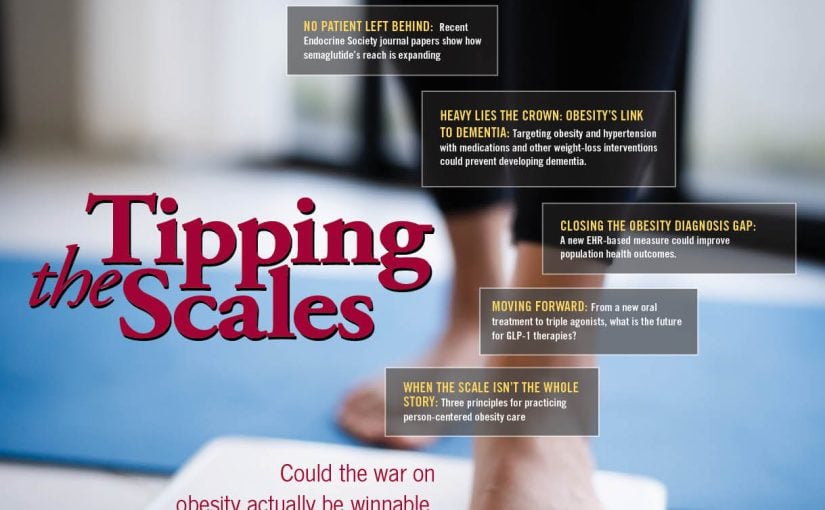
This week, the Centers for Medicare and Medicaid Services (CMS) provided additional information on its proposed model to expand access to anti-obesity medications for Medicare and Medicaid beneficiaries. The Better Approaches to Lifestyle and Nutrition for Comprehensive hEalth (BALANCE) Model aims to increase access to GLP-1 medications and healthy lifestyle interventions to improve health.
The latest information includes a list of the medications that will be included in the model, and the clinical criteria beneficiaries must meet to be eligible for coverage. The model, which is expected to launch in 2027, will provide certain Medicare beneficiaries with GLP-1 medications at $50 per month. More information about the model can be found at: cms.gov/priorities/innovation/innovation-models/balance.
The Society is pleased to see CMS taking steps to expand access to these medications for beneficiaries. We have supported previous efforts by the agency to expand access to obesity medications. We also support the Treat and Reduce Obesity Act (TROA), which would allow Medicare to cover obesity medications for weight loss. We will continue to analyze this proposal and the clinical criteria for beneficiaries to better understand how this program would work and who would benefit. We will also continue to educate members of Congress and congressional staff about obesity.
In January, we hosted a congressional briefing on Capitol Hill to discuss obesity and its impact on liver disease and shared Society educational resources related to obesity. We will also soon be releasing an updated version of our Obesity Playbook, which contains educational information for congressional staff who work on obesity issues and policy.
Delays in Grant Funding Persist – Share Your Story With Us
Multiple news outlets are reporting that, despite the influx of funding provided by Congress in the recently passed funding bill, there remain significant obstacles preventing those funds from being used to support research grants.
Scientists are expressing concern about the slow pace to the release of Notices of Funding Opportunities (NOFOs) and the substantial number of “forecasted” opportunities that many expected to be formally published months ago. Congress needs to understand what these delays and disruptions mean to the lifesaving work that endocrine scientists do. If you are concerned about a specific NOFO or grant opportunity or have otherwise had difficulty in applying for or receiving information about grants please let us know via e-mail to: [email protected].
For more information about the Endocrine Society’s advocacy endeavors, go here.
 Loading ...