

Mr. Mark Newman

Research Roundup
Pharma Friday – October 16, 2026

President’s Viewpoint
Inaugural EndoForum Live 2027 to Present the Best of Society’s SIGs
Bone and Mineral
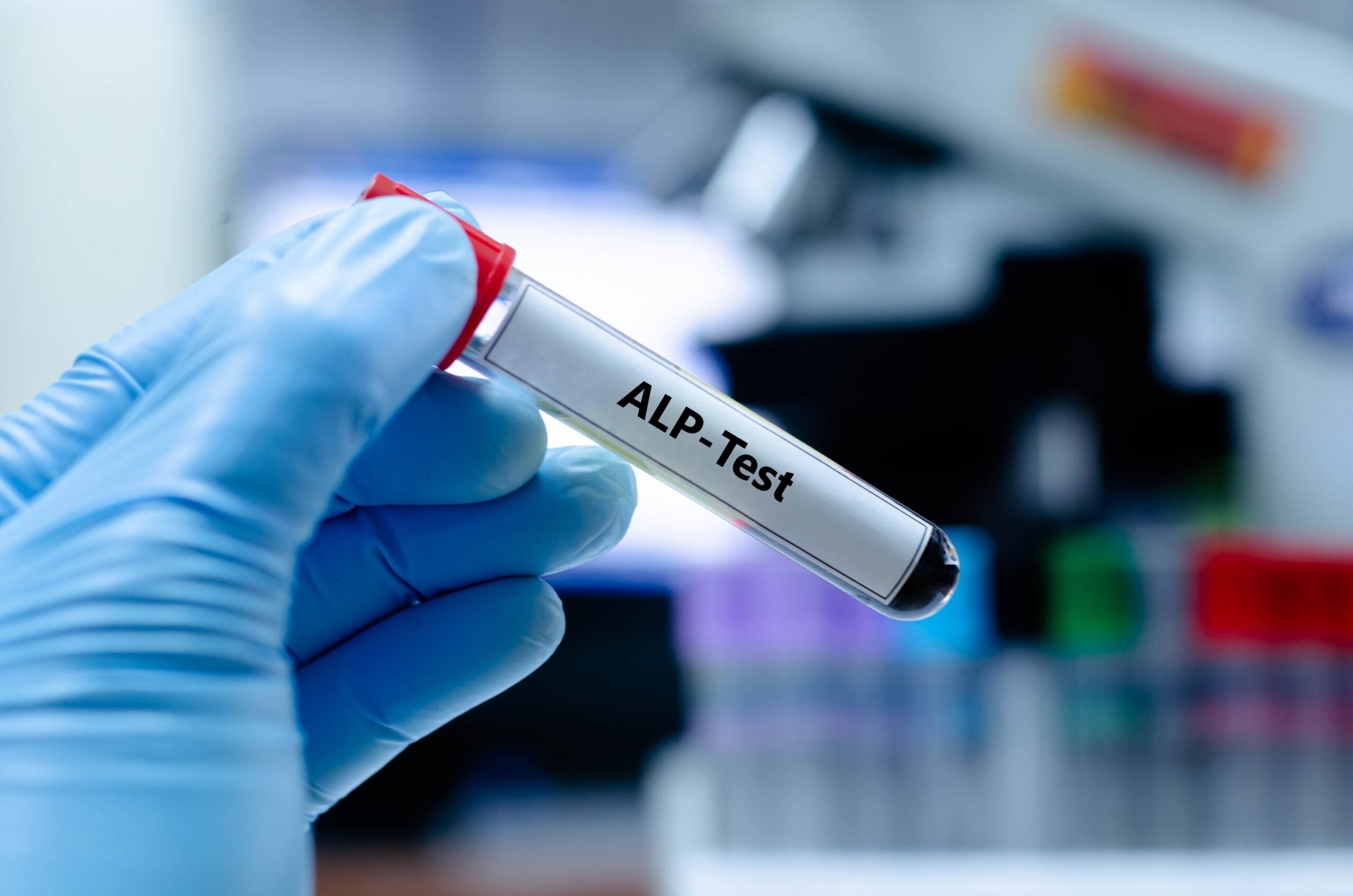
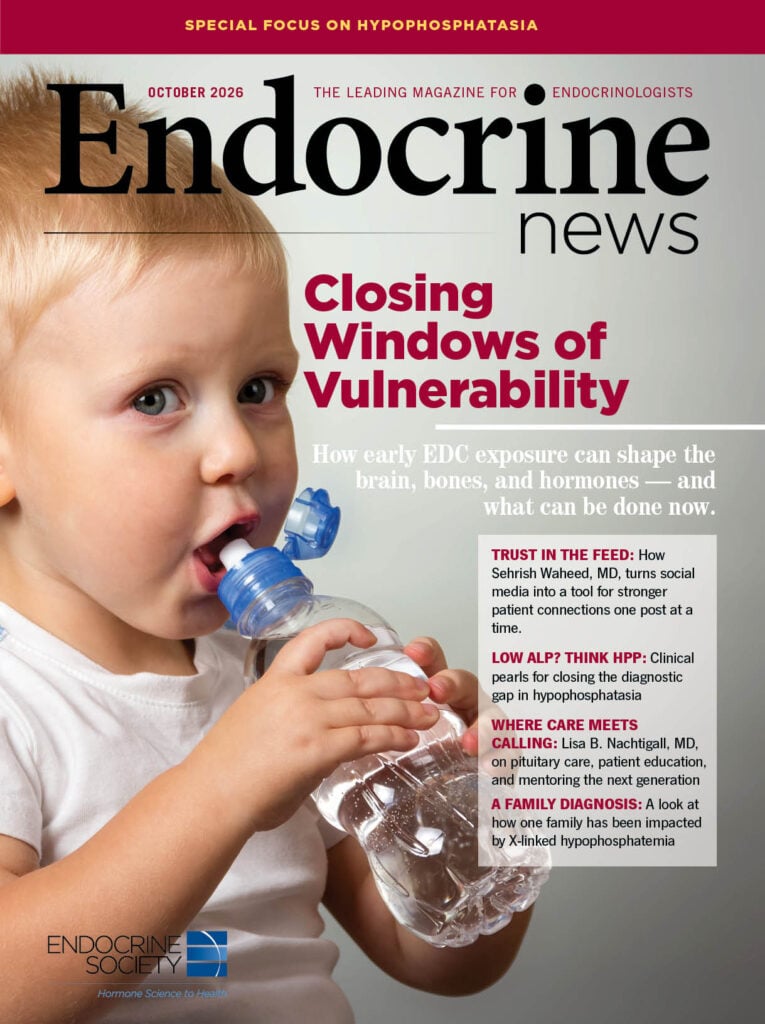
Low ALP, Think HPP: Clinical Pearls in Hypophosphatasia
Endocrine Disruptors
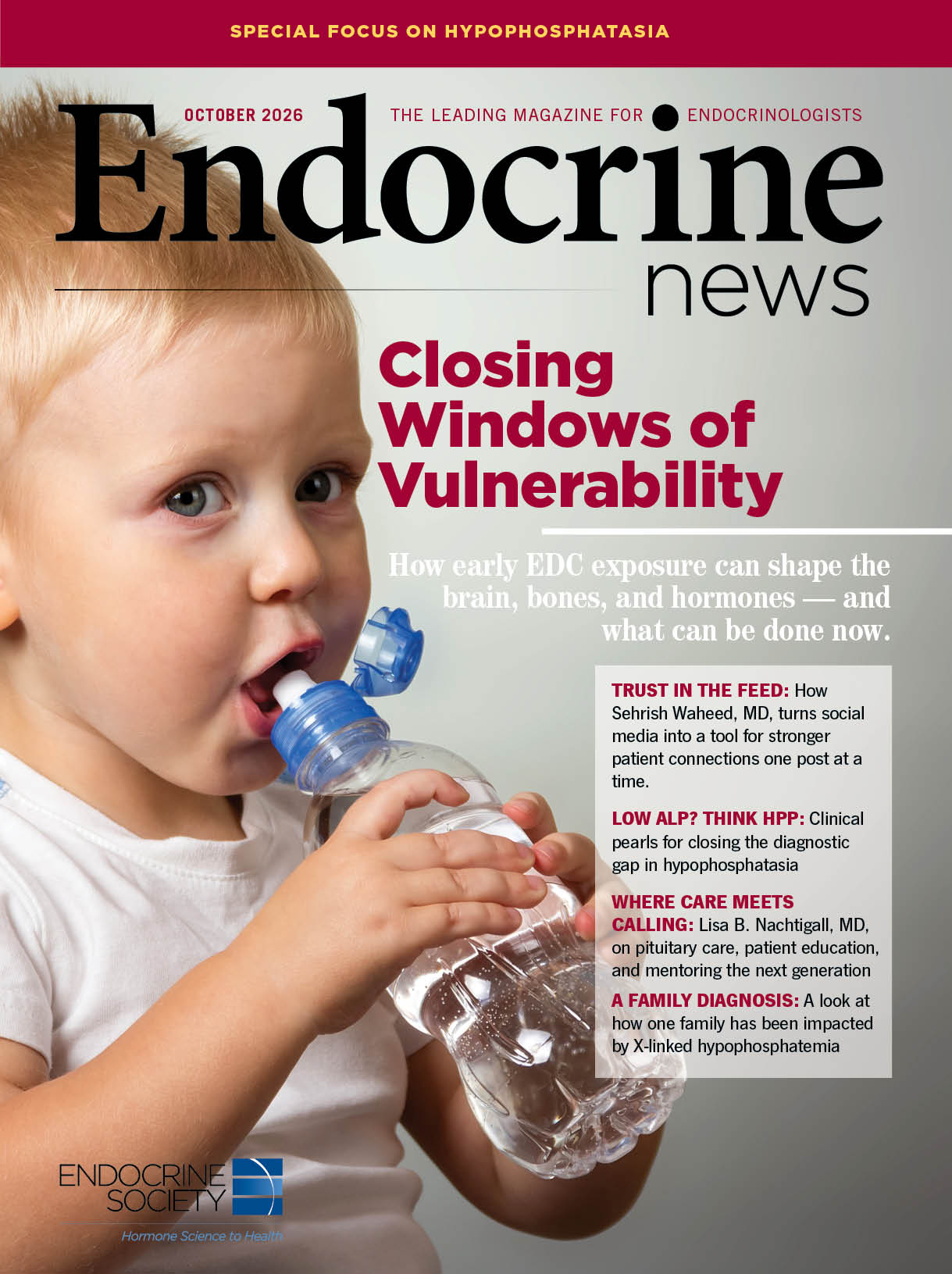
Closing Windows of Vulnerability: EDC Exposure During Development
Trends and Insights
Could PMOS/PCOS Be Linked to Alzheimer’s Disease and Dementia?
Research Roundup
Pharma Friday – Oct. 2, 2026

Laboratory Notes
Reframing Failure: Regaining Momentum After Setbacks in the Lab

Categories
- Adrenal
- Advocacy
- Bone and Mineral
- Cardiometabolic
- Clinical
- COVID-19
- Diabetes
- Diabetes News and Research
- Early Career Corner
- Editor's Page
- ENDO Preview
- Endocrine Disruptors
- Endocrinology Workforce
- Endocrinology Workforce
- Events
- First Person
- GLP-1s
- Growth Issues
- Head Glands
- Health Disparities
- Health Topic
- Hormone Therapies
- In Touch
- Kidney Issues
- Laboratory Notes
- Liver Disease
- Member News
- Men's Health
- Neoplasia and Cancer
- Obesity
- Pancreas
- Patient Populations
- Pediatric Health
- Pharma Fridays
- Practice
- President's Viewpoint
- Product / Technology
- Products and Technological Advancements in Endocrinology
- Q&A
- Reproductive Issues
- Research
- Research Roundup
- Sleep Health
- Society News
- SPONSORED CONTENT
- Thyroid
- Transgender
- Transgender Health
- Trends and Insights
- Uncategorized
- Women's Health
- Your Laboratory
- Your Patients
- Your Practice

Join the Global Movement Advancing Endocrine Science and Medicine
Become a part of a community of 18,000-plus endocrine investigators and clinicians who conduct research and provide quality patient care in more than 100 countries. Advance your career and the field of endocrinology through our many educational, leadership and advocacy opportunities.